Knitting Structure
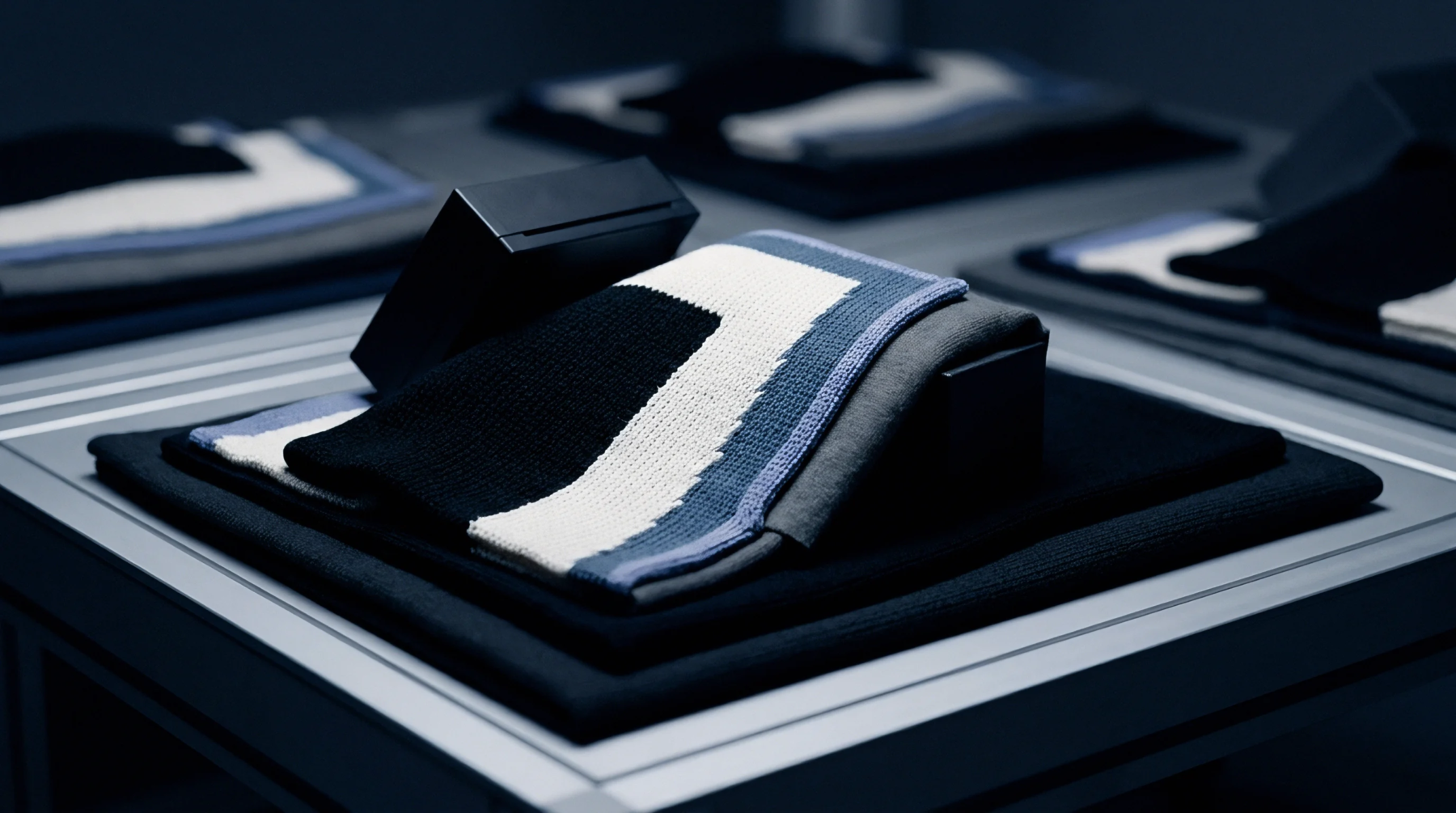
Circular weft-knit fabrics composed of a single face of knit loops and a reverse side of purl loops represent the most common lightweight apparel material. Cotton single jersey is created on a knitting machine equipped with a single cylinder of needles. This construction produces a fabric with distinct front and back appearances, characterized by high crosswise stretch.
Dimensional Stability
Severe shrinkage often occurs in these garments during laundering due to the relaxation of internal stresses locked in during knitting. For a cotton single jersey fabric, finish treatments like calendering and compaction are applied in the mill to reduce residual torque and stabilize the loop dimensions. This mechanical finish ensures the garment maintains its shape after home washing.
Without such stabilization, the knit loops tend to return to their natural round state, resulting in skewed side seams and distorted garment proportions in the finished retail product.
Garment Application
Lightweight t-shirts and undergarments utilize this fabric because of its excellent breathability and moisture absorption. When knitted with combed yarns, cotton single jersey offers a smooth surface that is ideal for screen printing and digital textile printing. The material remains highly versatile across both casual and athletic wear lines.
Technical Constraint
Edge curling represents a major difficulty during cutting and sewing operations. Because of the unbalanced loop structure, the edges of cotton single jersey tend to roll toward the face at the top and bottom, and toward the back at the sides, which complicates sewing alignment.