Frictional Topography
Wool fibre surface morphology determines how individual animal hairs interact during mechanical processing and chemical treatment. Cuticle scale height measures the vertical protrusion of overlapping protein cells along the longitudinal axis of a sheared animal hair. Mill operators quantify this dimension using atomic force microscopy during raw material acceptance testing to predict processing behaviour.
High microscopic relief generates stronger inter-fibre friction coefficients during carding and spinning operations. This geometric feature dictates felting propensity in wool processing and shrinkage control during laundering. Borderline parameters restrict the application of high-relief animal fibres to heavy outerwear where dimensional stability supersedes next-to-skin softness.
Scale Angle
Edge geometry dictates how protein scales catch neighbouring fibres within the sliver during drafting stages. Protrusion angles vary considerably between fine Merino fleece and coarse carpet wools. Steep cellular ledges create directional friction effects that accelerate felting shrinkage in aqueous media.
Chemical finishing treatments partially erode these projections to reduce differential friction effects before yarn spinning begins. Dye molecules penetrate the cortex more rapidly when scale heights present open pathways along the fibre shaft. Laboratory technicians record profile angles from scanning electron micrographs taken at standardized tension levels.
Spinning Friction
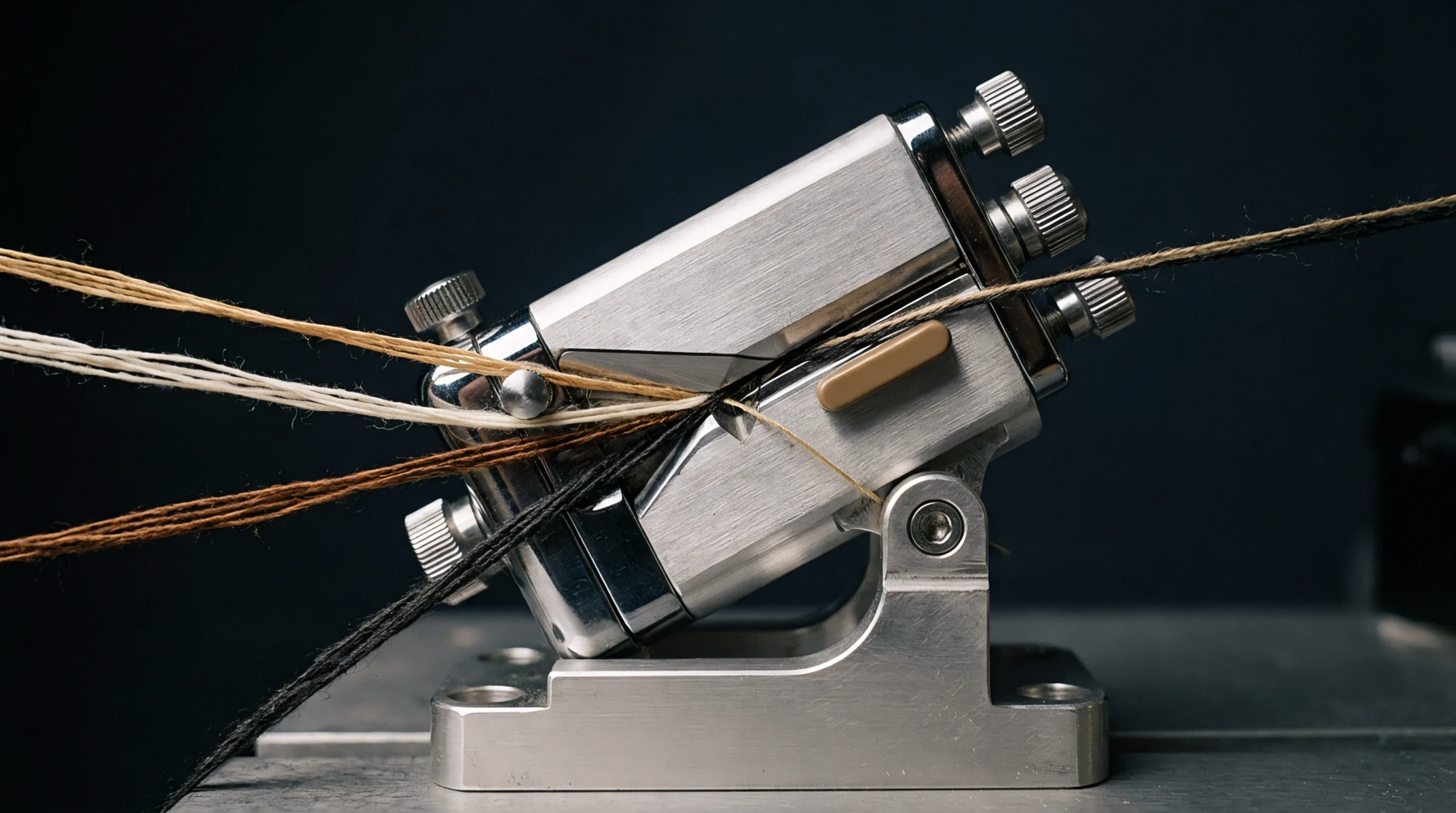
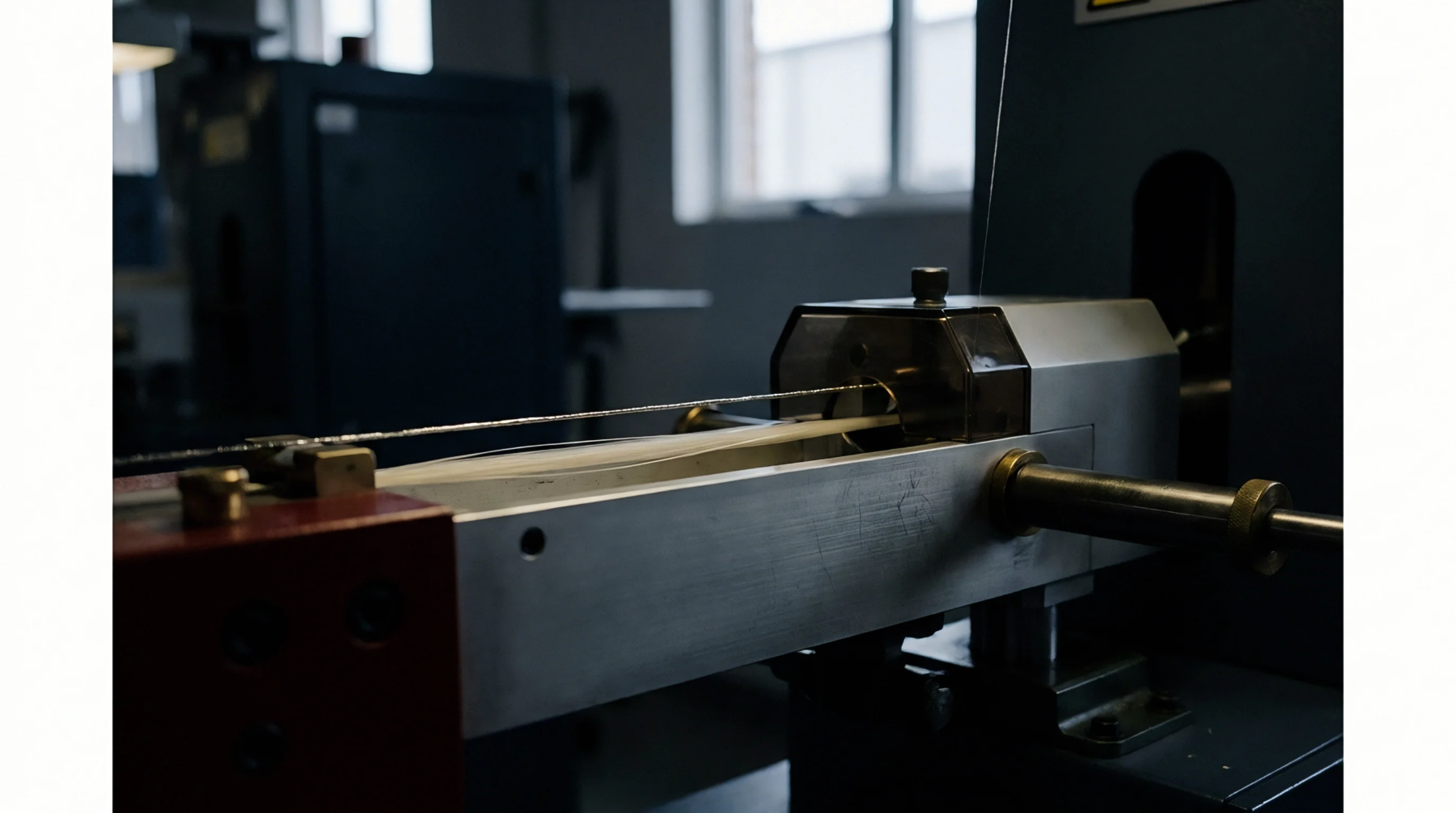
Processing machinery relies on specific surface roughness parameters to maintain strand cohesion during high-speed drafting. Differential friction values govern yarn strength development throughout roving and spinning frames. Excessive cellular protrusion causes fibre breakage when card wires engage dense fleece lots.
Low relief profiles prevent proper sliver consolidation on woolen ring frames, leading to frequent ends down during spinning. Lubricant oils applied during scouring modify surface friction without altering the underlying cellular geometry. Mill engineers adjust drafting roller pressure settings according to measured profile dimensions to prevent fibre damage.
Finishing Response
Chemical and mechanical finishing treatments depend heavily on surface morphology to achieve desired handle and appearance characteristics. Chlorine-release treatments oxidize the protruding protein ledges, producing smooth yarn surfaces that resist felting during domestic washing cycles. Resin application fills the microscopic valleys between scales to mask the physical relief and alter fabric lustre.
Dimensional stability standards require precise verification of treated wool samples against untreated controls. Finished garments retain shrink-resistant properties only when chemical degradation matches the initial cellular height parameters recorded at the spinning mill.