Clamping Force
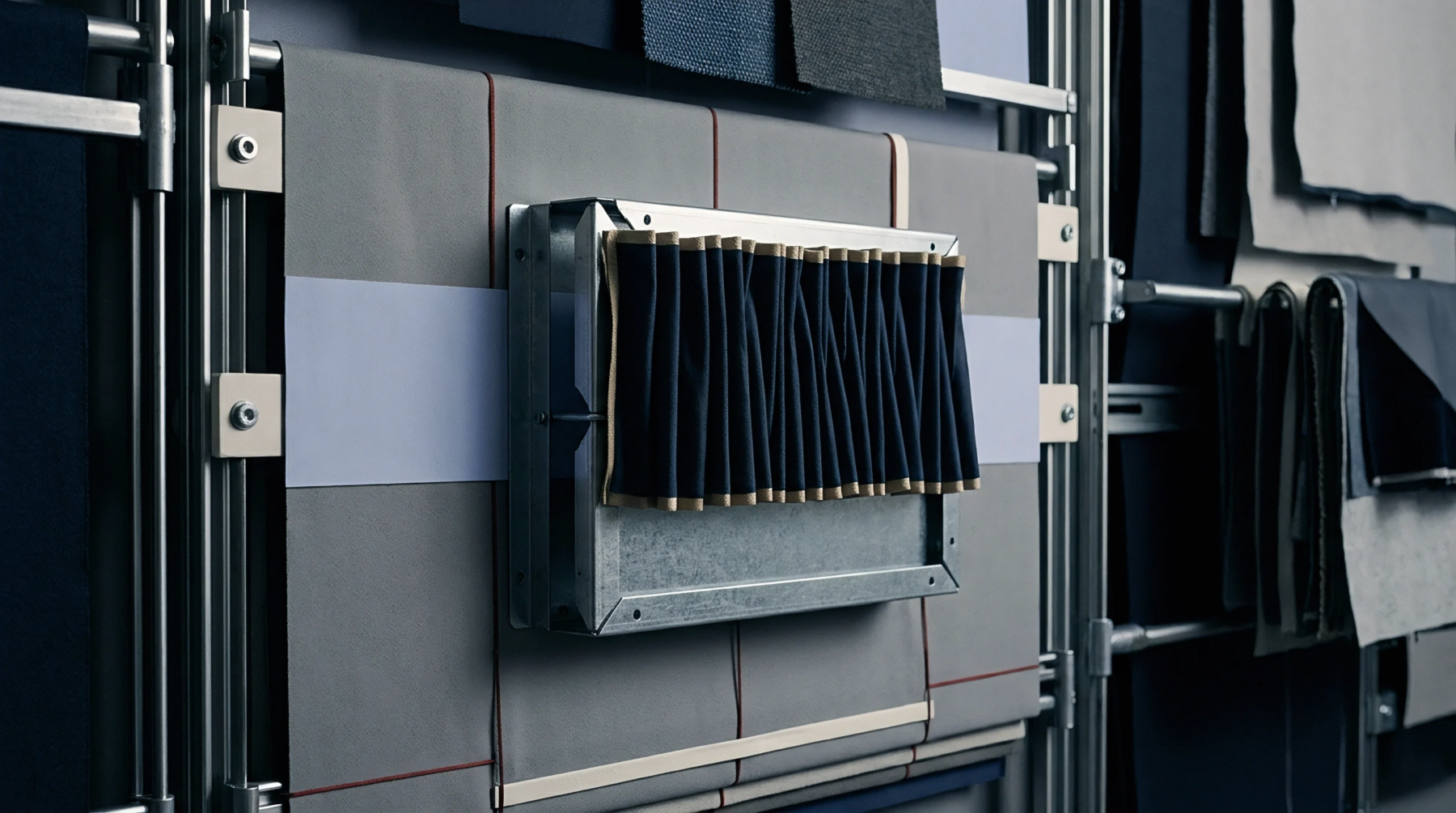
Secure holding of fabric specimens during tensile testing prevents slippage without causing premature failure at the jaw grip. By utilizing dead weight clamping, testing laboratories apply a constant, gravity-driven load to the gripping surface. This technique eliminates the human error associated with manual screw-driven clamps.
Mechanized Execution
An apparatus using this method relies on precise metallic weights that apply direct downward force onto the clamping plates. Unlike pneumatic systems that might experience pressure fluctuations, dead weight clamping provides a steady, reproducible pressure throughout the duration of the test. The mechanical design of the weights ensures that the applied force remains uniform across all test runs.
This stability is necessary when testing delicate or highly slippery fabrics.
Friction Control
Slippage during a test can distort the load-elongation curve and lead to false readings of elasticity. To prevent this, dead weight clamping is frequently deployed in testing standard weight woven apparel fabrics. Technicians can reproduce identical holding pressures across multiple samples, which generates consistent test series.
Measurement Reliability
Calibration of these clamping devices requires only the validation of the physical mass used to apply the load. Using dead weight clamping ensures that the testing apparatus conforms to international standards for textile strength assessment. This verification step prevents disputes between garment factories and fabric suppliers regarding material properties.