Processing Efficiency
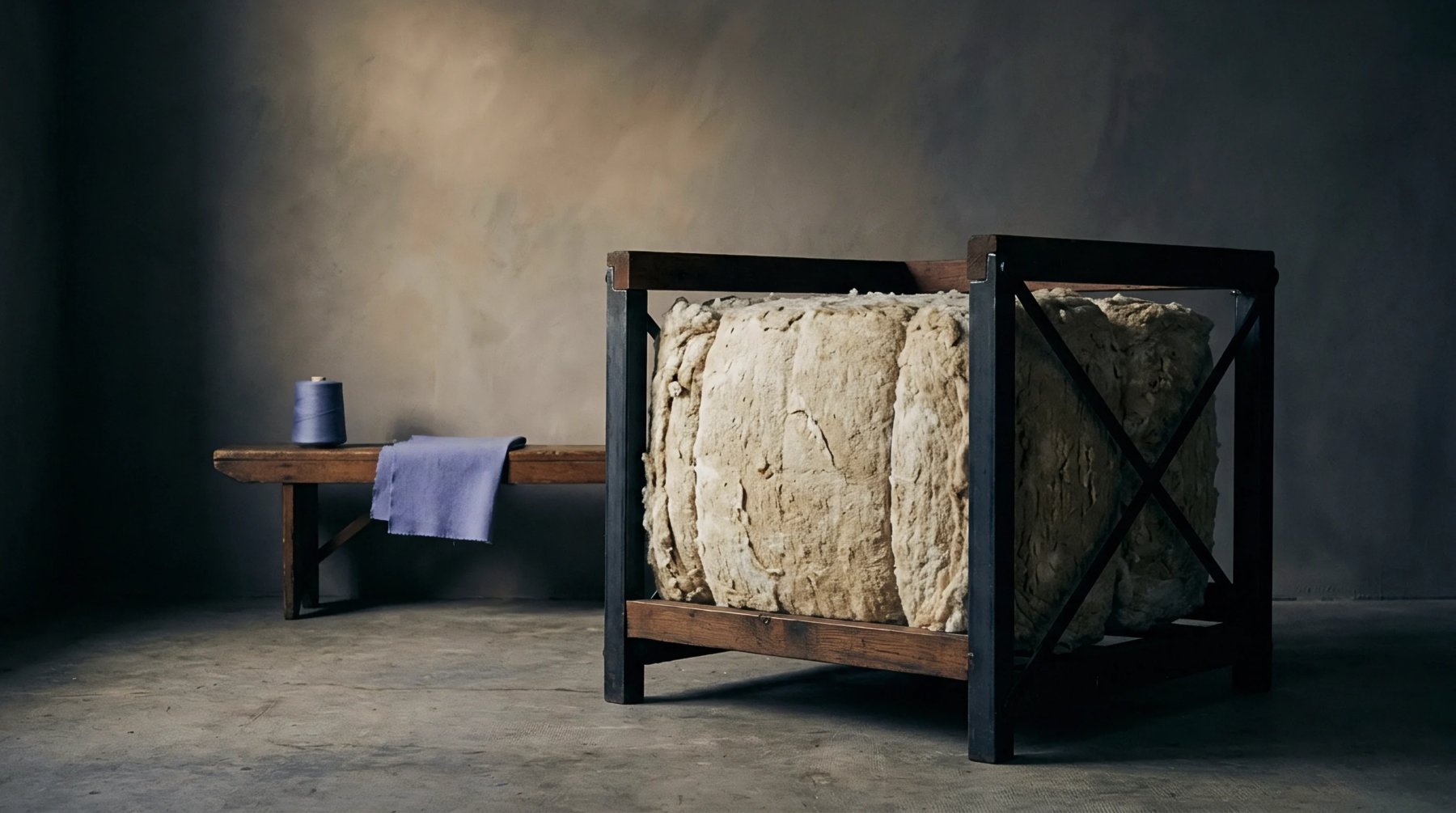
Mass recovery calculated as the ratio of fine fiber obtained after the removal of coarse guard hairs defines the processing efficiency known as dehairing yield. In the production of cashmere, camel hair and other specialty animal fibers, dehairing yield represents the percentage of usable down that remains after the mechanical separation process. This value is calculated by dividing the weight of the dehaired fine fiber by the total weight of the raw, scoured fleece.
A high yield indicates an efficient separation process and a high-quality raw material with a low proportion of coarse hair. This metric is a primary indicator of the economic viability of a specific lot of fiber for the mill.
Mass Calculation
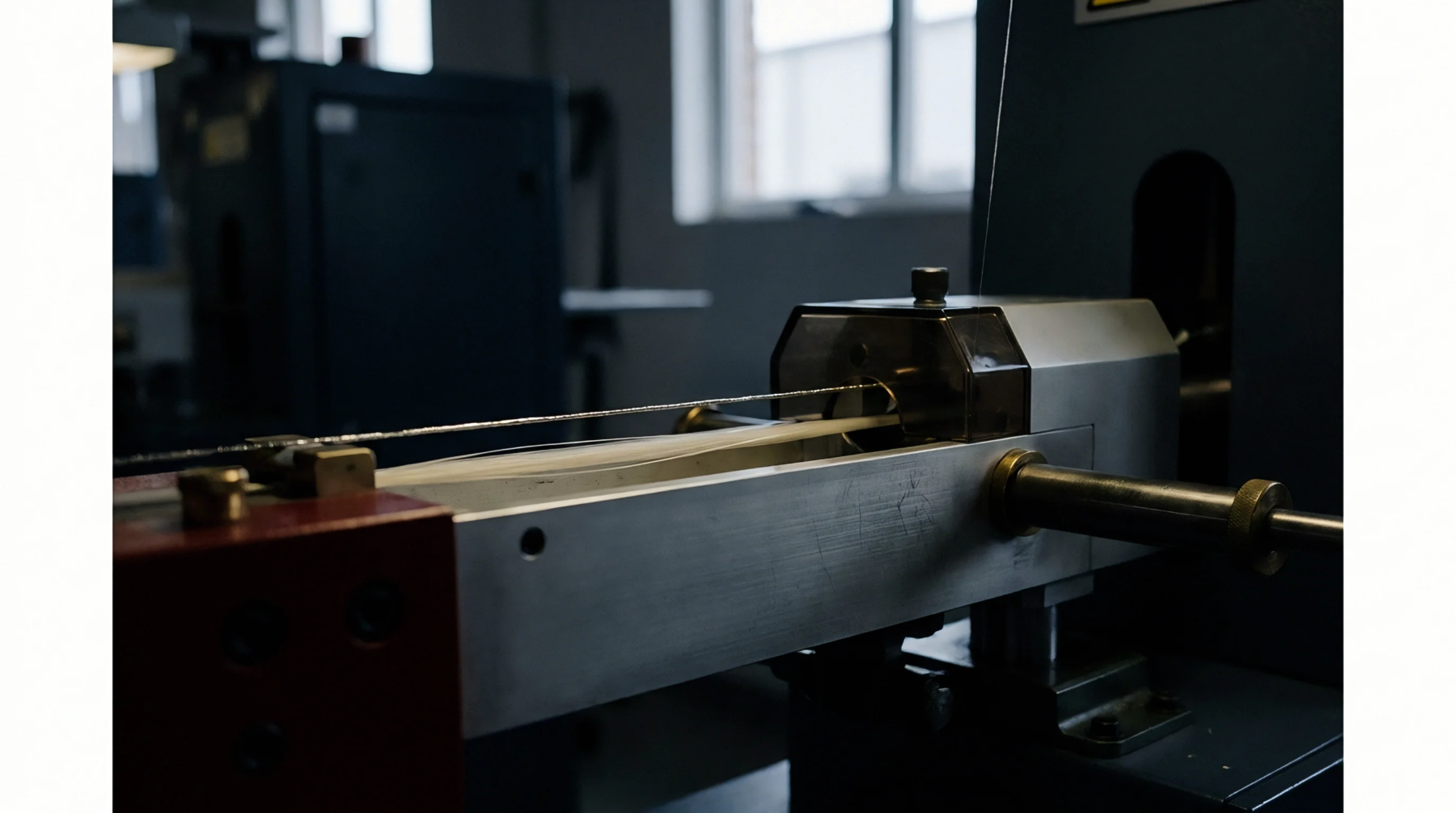
Calculation of the yield occurs after the raw fiber has been scoured to remove grease, dirt and vegetable matter. To determine the dehairing yield, the mill must carefully track the weight of the input material and the weight of all outputs, including the fine down, the coarse hair and the processing waste. The mechanism of separation inevitably leads to some loss of fine fiber, which is trapped in the coarse hair or lost as dust during the agitation process.
If the machinery is not properly calibrated, the amount of fine fiber lost can be significant, which lowers the overall yield. Operators must balance the need for high purity with the need to maximize the recovery of the expensive fine fiber. This calculation is performed for every batch to monitor the performance of the dehairing line and to detect any mechanical issues.
Variable Influence
Several factors related to the raw material and the machinery settings influence the final recovery rate of the fine fiber. Dehairing yield is heavily dependent on the natural ratio of guard hair to down in the animal’s coat, which varies by breed, age and environmental conditions. Raw materials with a high density of guard hair naturally result in a lower yield, as more mass is removed during the cleaning process.
The moisture content of the fiber also affects the separation efficiency, as dry fibers are more prone to static electricity and breakage. To optimize the yield, the mill must maintain a controlled humidity environment and use anti-static lubricants on the fiber surface. These adjustments help the fine fibers to slide away from the coarse ones without becoming entangled or damaged by the rotating cylinders.
Economic Output
Commercial profitability for a textile mill is directly linked to the amount of fine fiber recovered from each kilogram of raw material. A low dehairing yield increases the cost per kilogram of the finished yarn, as the expensive raw material cost must be spread over a smaller volume of output. Buyers of raw fleece use historical yield data to estimate the value of a new clip and to set their purchasing prices.
If the actual yield falls below the estimated value, the mill faces a financial loss on the contract. In the luxury fiber market, even a small improvement in the recovery rate can lead to substantial gains in the total economic output of the processing facility.