Weight Determination
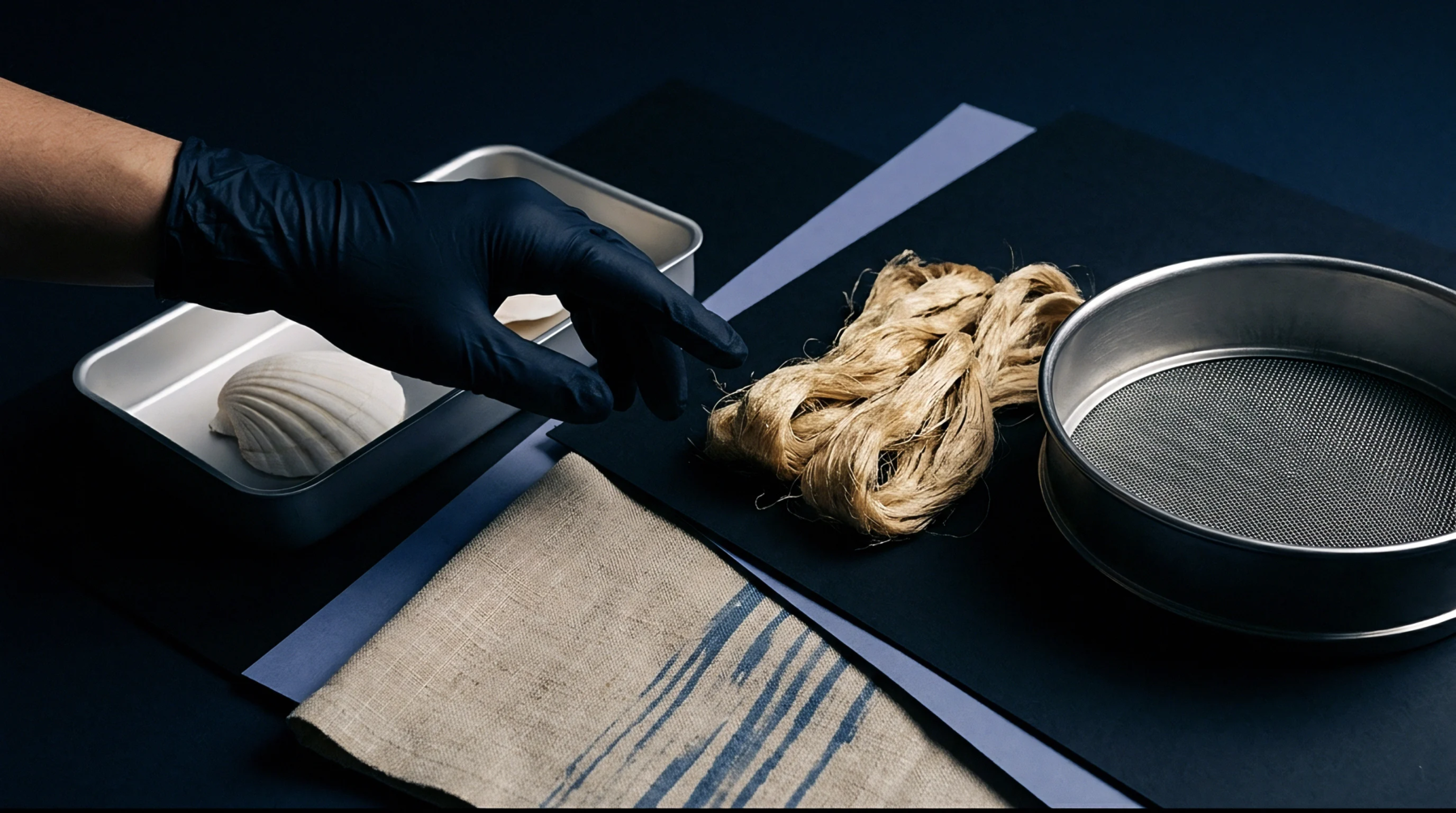
Laboratory protocols that establish the absolute dry mass of a fiber lot form the basis for calculating commercial weight in international trade. Through dry weight verification, technicians heat a textile sample to remove all absorbed moisture until the mass reaches a constant value. This procedure eliminates discrepancies caused by variable humidity levels during storage and transit.
Desiccation Method
Oven drying at standardized temperatures of one hundred and five degrees Celsius evaporates all loose moisture from the fiber sample. The dry weight verification process requires weighing the specimen at regular intervals during heating to confirm that no further moisture is lost. The final stable value represents the dry mass of the textile material.
Commercial Adjustment
Applying the official moisture regain percentage to the dry mass determines the commercial weight used for billing. This dry weight verification method prevents buyers from paying for excess water. It ensures that both transaction parties agree on the actual fiber weight.
Bulk Valuation
Discrepancies between shipped weights and received weights are resolved through dry weight verification on randomly selected bales. Because natural fibers readily absorb moisture from the surrounding air, invoice adjustments are routinely calculated using these oven-dried laboratory findings. This systematic verification maintains financial transparency in bulk yarn contracts and prevents financial losses across the supply chain.