Fluid Behavior
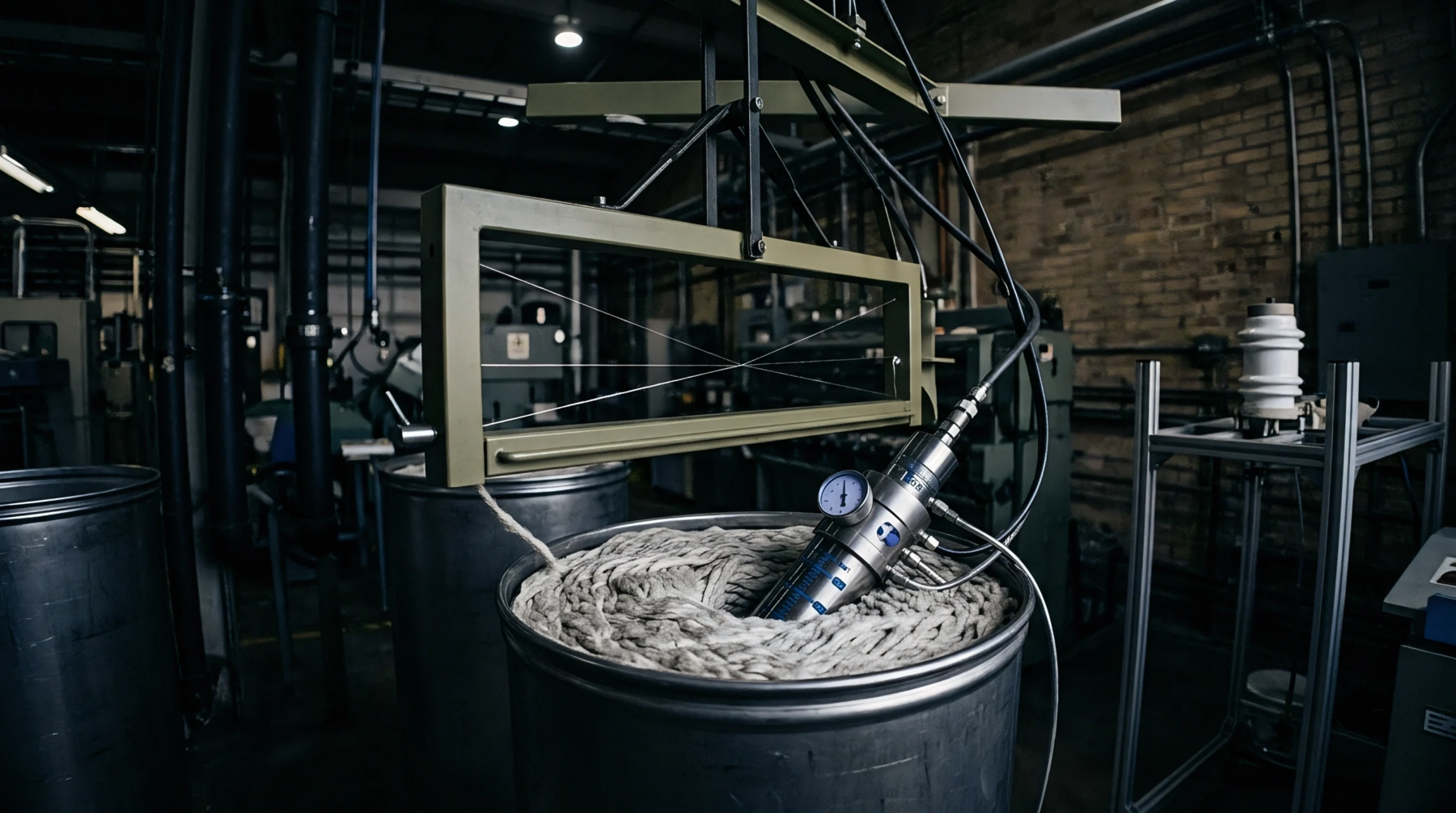
Frictional force occurs when moving liquid colorant slides across the surface of a stationary or circulating fabric strand in a wet processing machine. Controlling dye bath shear stress prevents structural surface damage to delicate spun yarns and synthetic filament knits. The velocity gradient between the fabric and the surrounding liquid dictates the intensity of these mechanical interactions.
Mechanical Phase
During the heating cycle, the viscosity of the liquor decreases as temperature rises, which alters the dynamic force exerted on the textile. High pump speeds increase fluid speed and intensify the contact forces. This friction can pull loose fibers from the yarn body.
Kinetic Limit
Critical thresholds of fluid pressure must be set based on the fiber blend and yarn construction. Fine combed cotton cannot withstand the same intense fluid friction as coarse polyester filaments. Reducing pump speed when processing sensitive fabrics keeps the physical strain below the point of yarn breakage.
This adjustment prevents permanent deformation of the fabric web during hot dye cycles.
Fabric Result
Optimal shear levels promote deep penetration of dyes without causing surface hairiness or pilling. The finished cloth retains its smooth handle and shows no yarn displacement. Consequently, final garment inspections report fewer surface defects.