Fluid Interaction
The velocity gradient that forms in a fluid adjacent to a solid surface determines the rate of momentum transfer between the two phases. The dynamic boundary layer shear governs the exchange of dye molecules between the flowing dye liquor and the moving fabric surface. This shear force depends on both the velocity of the fluid and the surface roughness of the textile substrate.
Mass Transfer
High fluid velocity reduces the thickness of the stagnant liquid layer that surrounds each individual textile fiber. Under conditions of high dynamic boundary layer shear, the rate of dye diffusion from the bulk solution to the fiber surface increases. This rapid transfer is essential for achieving level dyeing in package and jet dyeing systems where flow rates are tightly controlled.
The reduction in the boundary layer accelerates the exhaustion of the dye bath.
Mechanical Stress
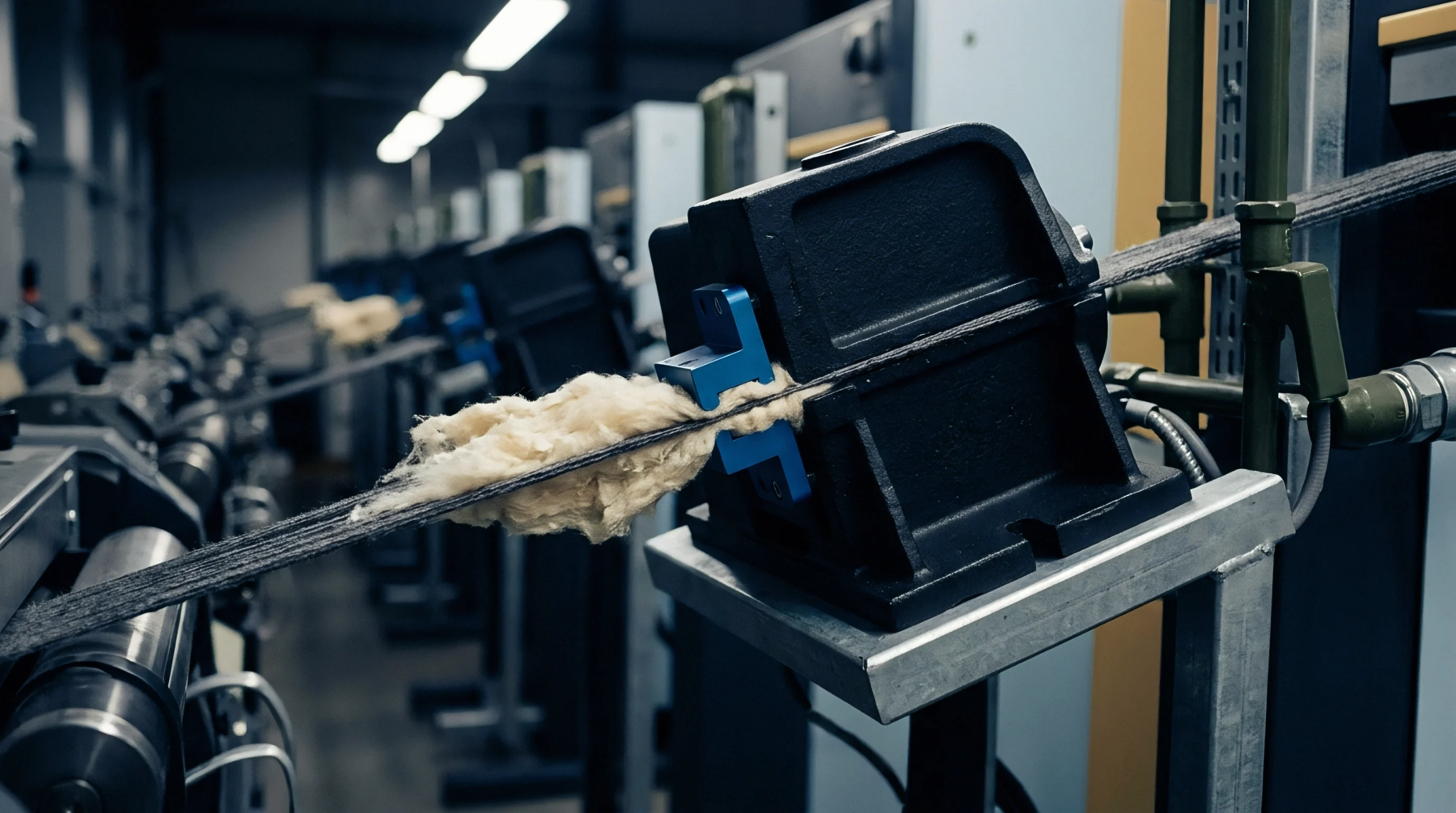
The mechanical force exerted by the moving fluid can cause physical deformation or displacement of fibers on the yarn surface. In delicate fabrics, excessive dynamic boundary layer shear causes surface hairiness or pilling by pulling loose fiber ends from the yarn core. This action can alter the final hand of the fabric and degrade its visual appearance.
Technicians must balance the need for high flow rates with the risk of structural fabric damage.
Operational Boundary
The calculation of fluid forces assumes a continuous, non-turbulent flow pattern along the fabric interface. When the flow becomes turbulent, the predictability of the dynamic boundary layer shear decreases. The relationship holds true only within specific ranges of fluid viscosity and fabric density.