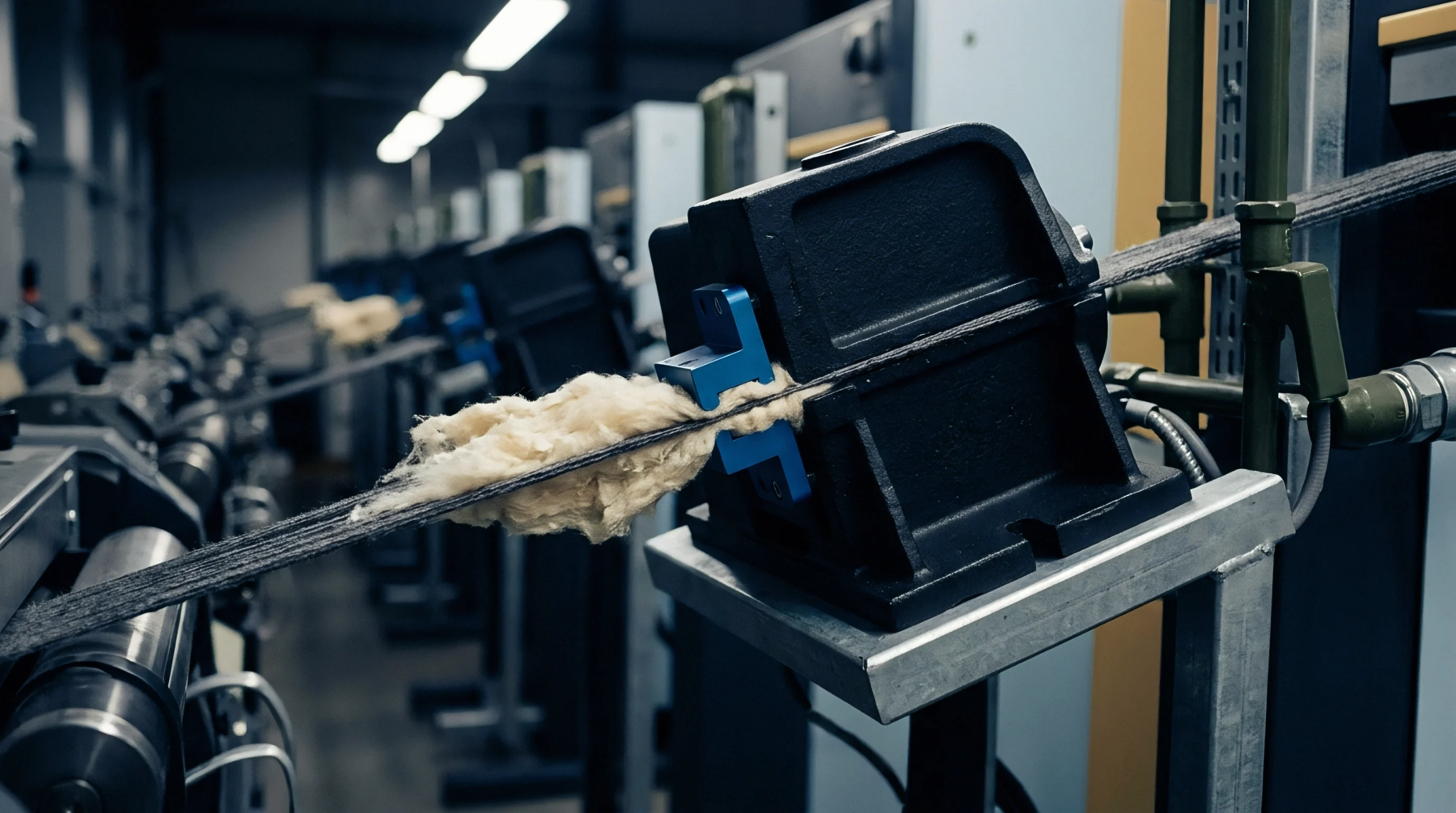
Process Coordination
The matching of linear velocities between consecutive driven rolls in a continuous textile processing line prevents excess tension or slack in the moving web. The fabric line speed synchronization is executed by automated control systems that monitor the speed of each drive motor in real time. This adjustment ensures that the fabric passes through washers, dryers and pad mangles at a uniform rate.
Tension Control
A mismatch in roll speeds across the processing line generates mechanical tension that can stretch or distort the textile substrate. With proper fabric line speed synchronization, the system maintains a low, constant tension that prevents structural deformation of the knit or woven structure. This is typically achieved using load cells or floating dancer rolls that provide feedback to the motor controllers.
The feedback loop adjusts the speed of each motor to compensate for changes in fabric length. When wet fabric enters a dryer, it may shrink or expand, requiring the downstream rollers to rotate at a slightly different speed than the upstream rollers.
Quality Impact
Inconsistent tension during continuous processes like drying or chemical application leads to variations in fabric width and residual shrinkage. Achieving fabric line speed synchronization ensures that the fabric is processed in a relaxed state, which minimizes the internal stresses locked into the yarns. This process stability is directly related to the final dimensional stability of the garments produced from the fabric.
It prevents defects such as bowing and skewing in finished woven goods.
Technical Constraint
The mechanical limits of motor response times and sensor resolution define the accuracy of the control system. During rapid acceleration or deceleration of the processing line, fabric line speed synchronization becomes more difficult to maintain. The control loop must be tuned to prevent overshooting, which can cause sudden tension spikes.