Material Layering
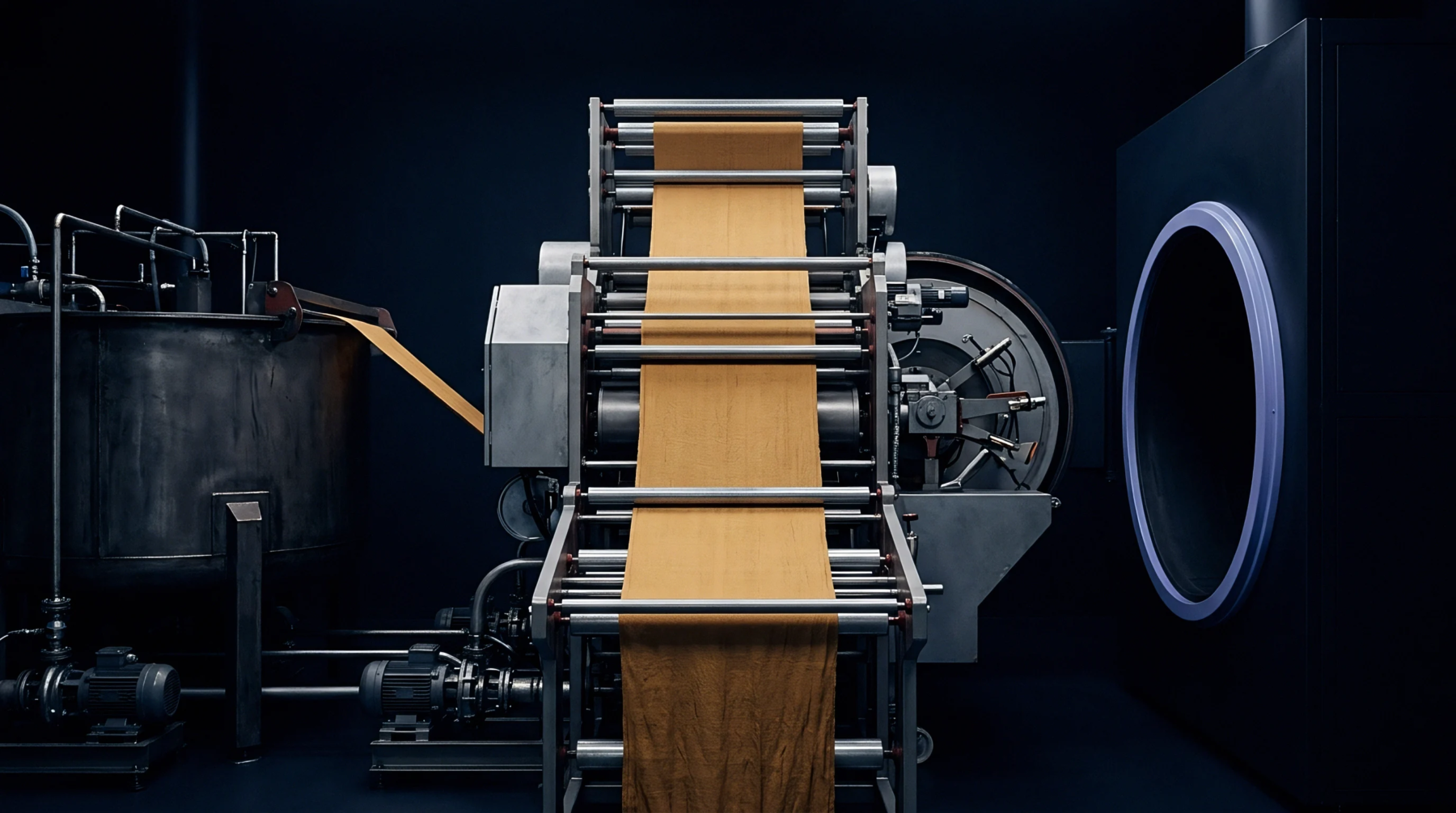
A mechanical process places multiple plies of cloth on a cutting table to prepare for the simultaneous production of garment components. Precise fabric spreading ensures that every layer is perfectly flat and free of distortion or creases before the knife enters the stack. It governs the vertical alignment of the selvedge and stops at the maximum height the cutting equipment can handle without deviation.
Alignment Precision
Edge sensors on an automated machine maintain the vertical alignment of the plies by adjusting the position of the roll carrier as it moves along the table. This accuracy in fabric spreading minimizes the waste at the edges of the marker and maximizes the number of pieces that can be cut from a single roll. When the selvedge is not aligned, the cutter must increase the margin around the pattern, which reduces the overall efficiency of the layout.
Tension Control
Elastic fabrics require specific handling during fabric spreading to prevent the material from snapping back and shrinking after the cutting process. If the cloth is pulled too tightly while being laid down, the finished garment pieces will be smaller than the pattern intended.
Height Limitation
The total thickness of the lay determines the physical limit for effective fabric spreading in a single batch.