Friction Mechanics
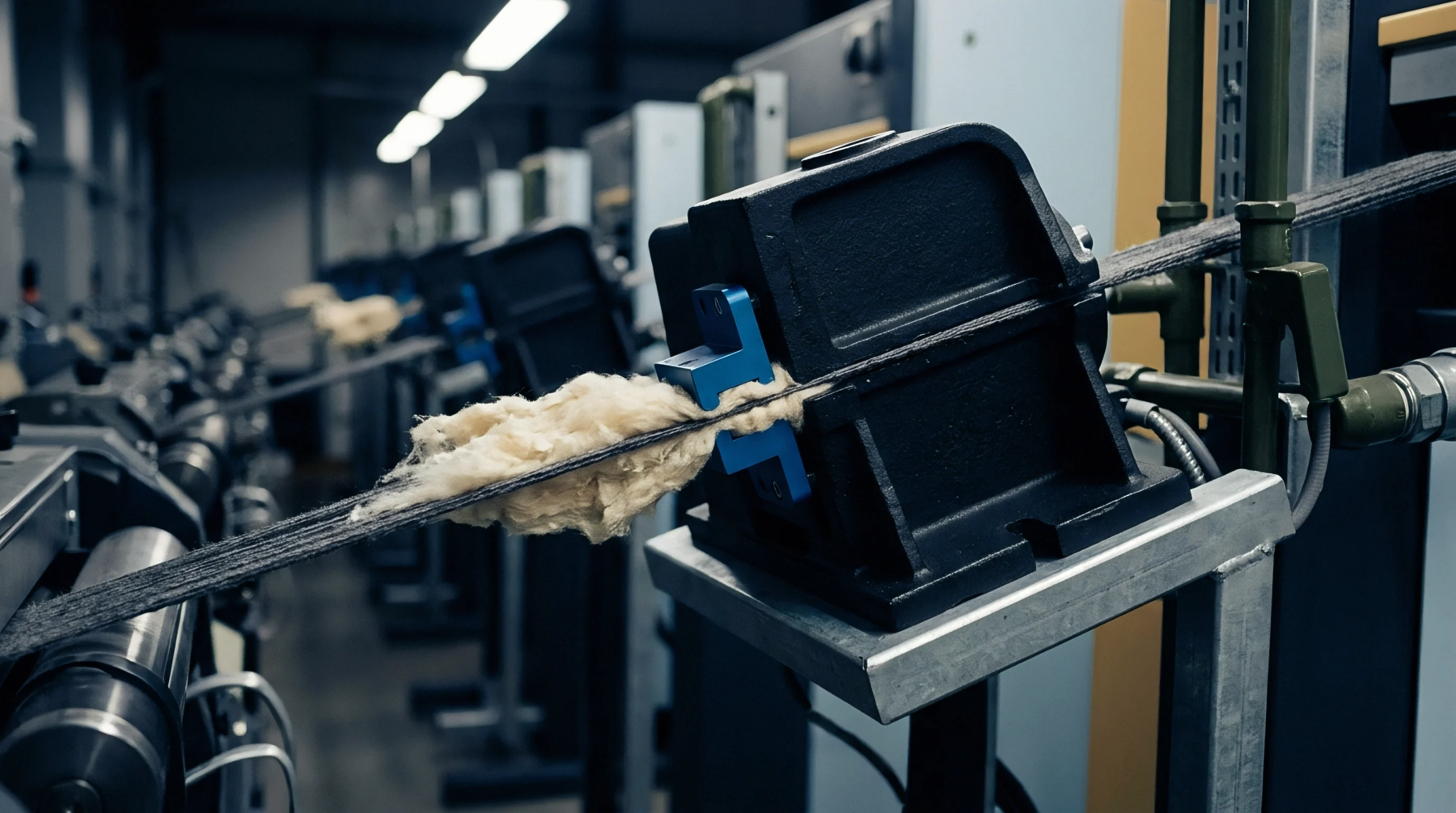
Mechanical treatment during yarn spinning and finishing reduces surface fuzz accumulation by locking loose protruding filaments back into the core structure. Fiber pilling mitigation involves thermal setting and enzymatic polishing at the wet processing stage to suppress fuzz formation before yarns reach the loom. Surface abrasion during everyday wear pulls loose filaments outward from low twist staple yarns, creating unsightly surface balls that require preventive chemical modifications during finishing.
Enzyme treatments remove protruding micro fibrils through targeted biological hydrolysis on cellulosic substrates. Synthetic filament bundles demand thermal stabilization in tensioned chambers to restrict molecular mobility that causes surface migration.
Laboratory Testing
Martindale abrasion testers apply controlled multi-directional friction against circular fabric specimens mounted under specified weights to simulate garment wear. Fiber pilling mitigation performance is quantified by grading the tested surface against photographic standards on a numerical scale ranging from five for no change to one for severe surface degradation. Pill counts and physical mass loss measurements confirm whether anti-pilling resin treatments withstand laundering cycles without washing out.
Testing protocols require conditioned atmospheric chambers maintaining strict temperature and humidity parameters to ensure repeatability across different testing houses.
Resin Treatment
Chemical cross linking agents applied during padding operations bind protruding surface fibres to adjacent yarn segments using acrylic or polyurethane binders. Fiber pilling mitigation depends heavily on uniform chemical pickup across the fabric width during padding to prevent patchy abrasion resistance. Curing temperatures in the stenter frame must reach specific thermal thresholds to activate cross linking polymers without degrading the underlying cellulose or polyester backbone.
Excess resin hardens the hand feel of the fabric, forcing technicians to balance mechanical durability gains against desirable tactile softness.
Blend Engineering
Raw material selection dictates the initial propensity for surface fuzzing because longer staple lengths and higher fiber tenacity naturally anchor ends securely within the yarn structure. Fiber pilling mitigation strategies often specify polyester and cotton blend ratios designed to ensure weaker natural fibers break away cleanly during abrasion rather than forming persistent entangled surface balls. Ring spun yarns consistently outperform open end equivalents in anti-pilling metrics due to superior fiber parallelism and tighter wrapper geometry established during drafting.
Staple length distribution parameters must exclude short fiber fractions that readily migrate toward the yarn periphery under mechanical stress.