Production Dimension
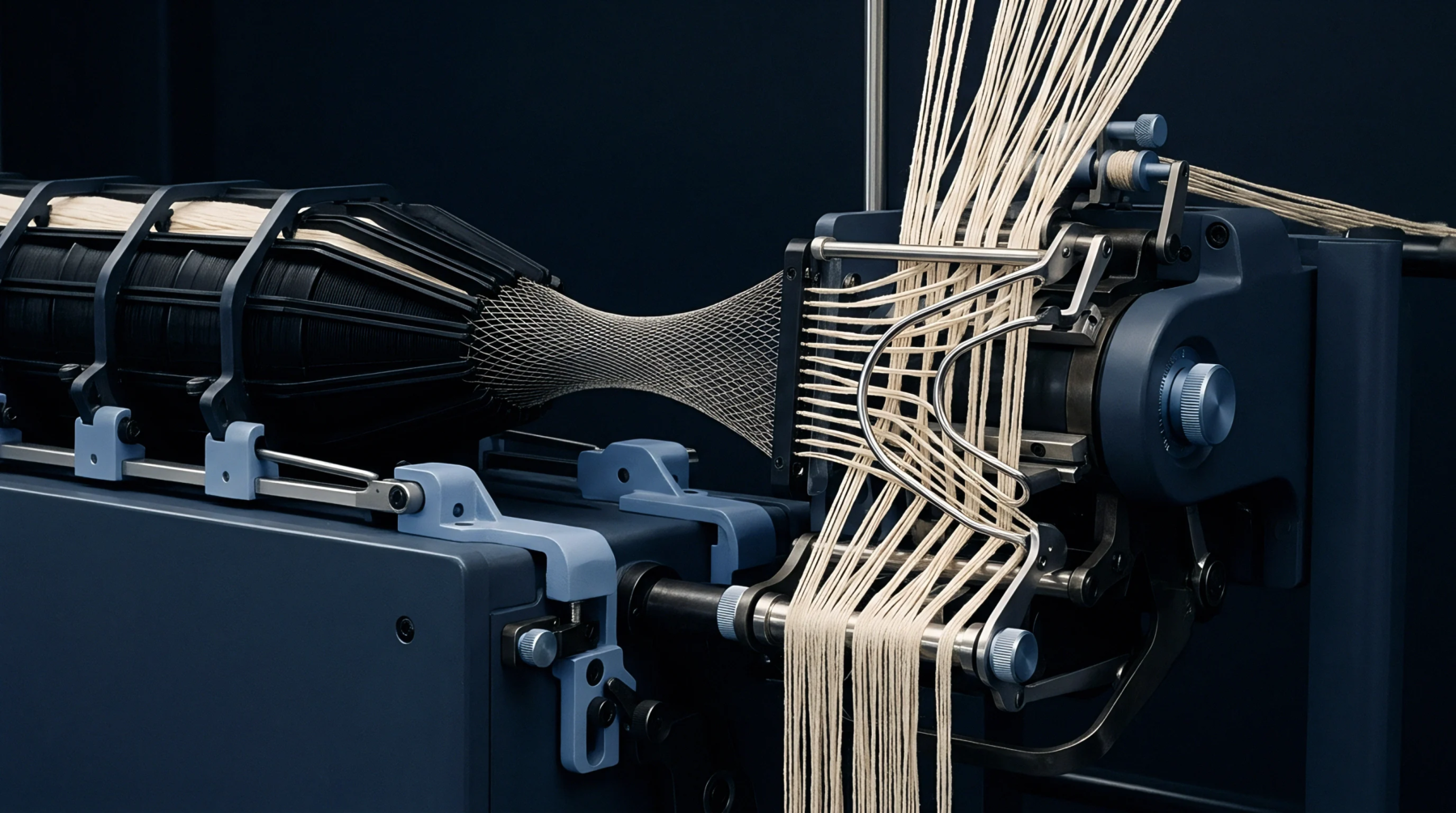
Industrial fabric specifications define the total linear measurement of a single fabric roll before any wet finishing or chemical processing occurs. This raw, untreated fabric is measured on the loom take-up roll, where greige cut length acts as the baseline for all subsequent processing stages. Each roll must meet this specified length to ensure downstream processing efficiency.
Standardizing this length prevents issues during continuous batch dyeing.
Weaving Measurement
Loom counters track the number of pick insertions to determine when the required fabric length is reached. Fabric tension on the loom affects the measured greige cut length during weaving. Releasing the fabric from loom tension causes it to contract.
Operator vigilance ensures that this tension-induced contraction does not result in short rolls.
Shrinkage Calculation
Wet processing always alters the fabric dimensions through heat, moisture, and chemical action. Comparing finished roll lengths against the greige cut length reveals the total processing shrinkage or yield. Accurate calculations allow mills to predict finished fabric yield.
Mill Standardisation
Garment cutting layouts require consistent fabric roll lengths to minimize waste and optimize marker efficiency. Standardizing the greige cut length allows garment factories to plan high-volume cutting runs without frequent setup changes. When roll lengths vary, cutting room efficiency drops significantly because workers must adjust the marker placements frequently.