Fibre Deviation
The metric measures directional displacement occurring inside a yarn drafting zone during preliminary processing. Mill operators track greige spin offset to evaluate how far constituent strands wander from the geometric centerline before twist insertion locks the structure. Uncontrolled drafting variance creates weak spots in the spun yarn, which later compromise fabric tear strength during commercial bulk inspection.
Standard laboratory testing captures this displacement by scanning cross sections of unfinished yarn under magnification, yielding a numerical variance value.
Drafting Mechanics
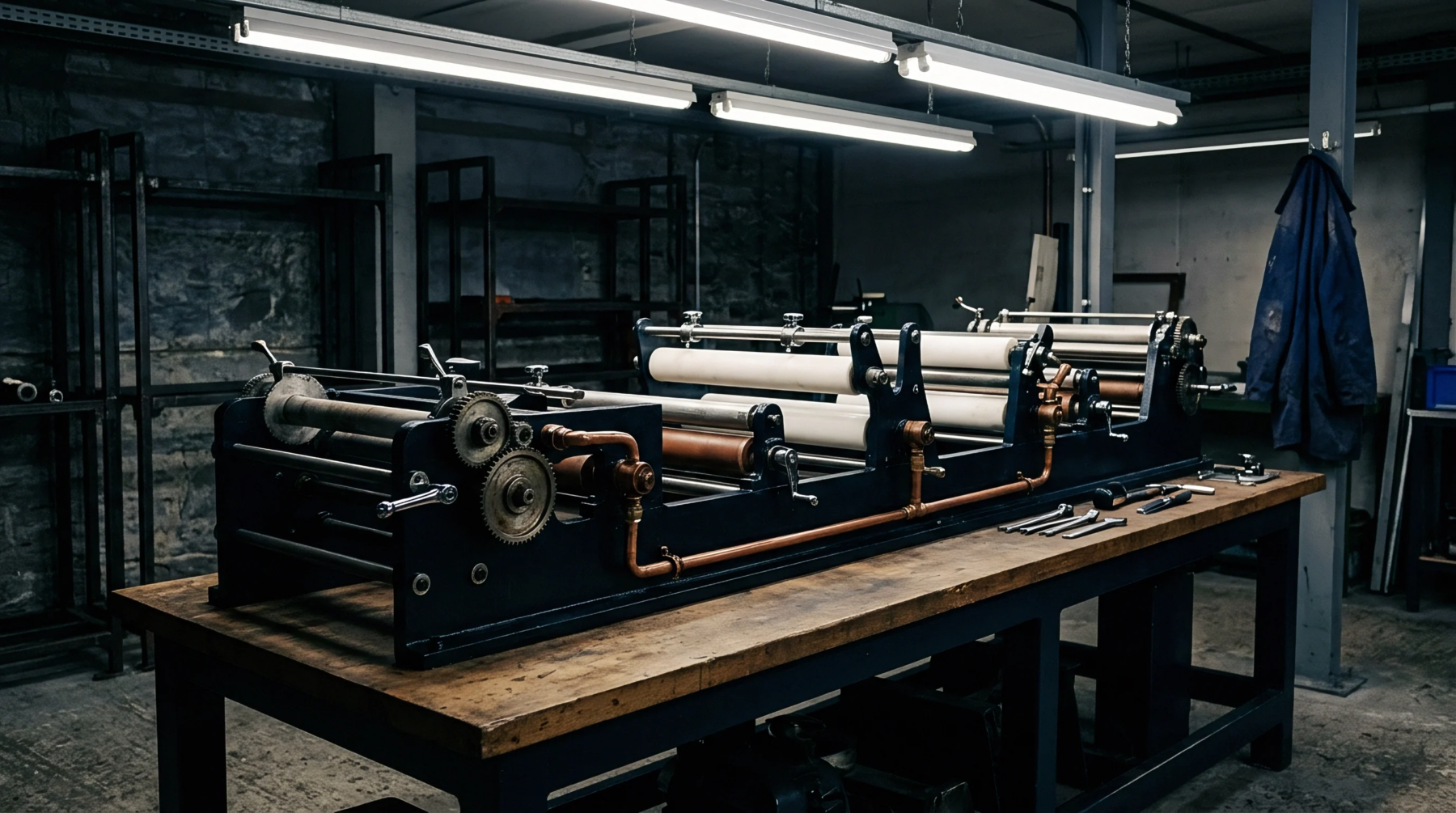
Slippage happens when sliver mass fluctuates while passing through high speed drawing rollers. Roller pressure must remain uniform across the entire drafting span to prevent localized fiber bunching. Uneven draft settings cause adjacent filaments to migrate prematurely, creating irregular yarn diameters before the spinning frame completes twist generation.
Production Consequences
High variance levels trigger immediate warp breakage during loom setup, halting commercial weaving operations entirely. Defective yarn stretches unpredictably under tension, leading to uneven dye uptake in finished piece goods. Buyers reject apparel shipments containing visible thickness faults because consumers demand consistent surface textures across retail garments.
Tolerance Boundaries
Specification limits apply exclusively to ring spun cotton yarns processed below specific linear density thresholds. Heavy industrial cords and open end yarns operate outside these strict drafting controls because their internal fiber arrangement relies on different twist dynamics. Mills adjust drafting aprons whenever measured displacement exceeds established quality thresholds, maintaining structural integrity across commercial production runs.