Sett Density
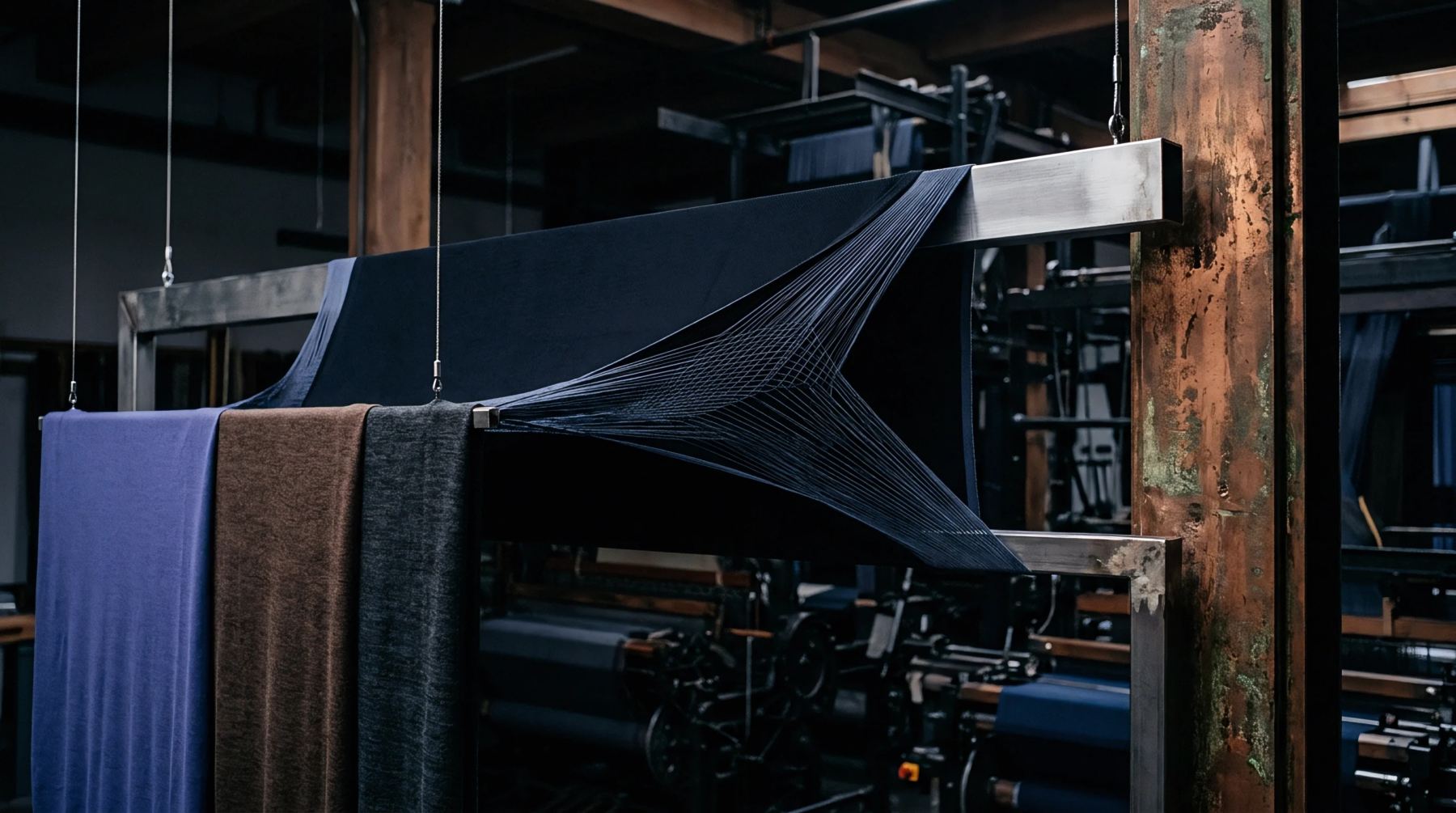
A grey fabric sett is the calculated thread count per inch in both warp and filling directions before the woven material undergoes wet processing or finishing treatments. Mill technicians determine this initial yarn arrangement on the loom to establish the structural foundation of the textile. Every subsequent dyeing operation, chemical application and mechanical compaction depends entirely on the numerical baseline provided by the grey fabric sett.
Fabric properties diverge sharply from individual fibre characteristics once the yarn intersects at the specified intersection points during the weaving stage. Laboratory technicians verify this dimensional parameter through microscope counts or pick glasses on conditioned grey goods sampled directly from the loom doffing floor. Unverified looms produce variations that distort shrinkage tolerances during subsequent finishing stages.
Count Variance
Warp and filling densities dictate the geometric porosity of the woven structure before finishing chemicals alter the physical dimensions. Laboratory testing laboratories measure the grey fabric sett against technical specifications to catch loom timing errors or tension faults early in the production cycle. Bulk production behavior shifts unpredictably when individual yarn counts fail to match the designated sett calculation across the full width of the loom.
Inspection teams record discrepancies between mill claims and physical audit results to prevent downstream sewing failures during garment assembly.
Dimensional Stability
Shrinkage rates during scouring and bleaching correlate directly with the original grey fabric sett because tight yarn spacing restricts lateral movement. Finishing plants adjust heat setting parameters and mechanical compaction pressures based on the measured yarn density of the incoming grey goods. Excessively dense constructions resist liquid penetration during dyeing baths, leading to color yield variations across the finished bolt.
Technicians evaluate finished fabric hand against initial sett records to confirm that mechanical finishing processes operated within acceptable physical limits.
Structural Limit
Maximum sett limits depend upon yarn diameter and loom capability, beyond which warp yarns abrade and break during cyclic shedding motions. Commercial contracts rely on agreed thread count specifications to arbitrate disputes regarding fabric weight and tear resistance between buyers and suppliers. Density calculations exclude selvage regions to maintain accuracy when assessing the central body of the woven material.
Commercial inspection reports establish final compliance by comparing audited thread counts against pre-production purchase order tolerances.