Molecular Alignment
A polyester fiber variant possesses polymer chains that are highly aligned along the longitudinal axis of the filament. Utilizing high orientation pet yields yarns with high tensile strength and low elongation. This molecular structure is produced through high-speed spinning and drawing processes.
Drawing Mechanism
Drawing the extruded filament at temperatures above its glass transition point forces the randomly oriented chains into a parallel configuration. This alignment maximizes the number of hydrogen bonds and dispersion forces between the chains. It results in a highly crystalline structure that resists stretching under tension.
Thermal Stability
Dimensional stability under heat is a key characteristic of these yarns. They undergo very little shrinkage when exposed to the hot air of finishing ovens or laminating machines. This resistance to shrinkage ensures that the final industrial fabrics maintain their shape and size.
Industrial Application
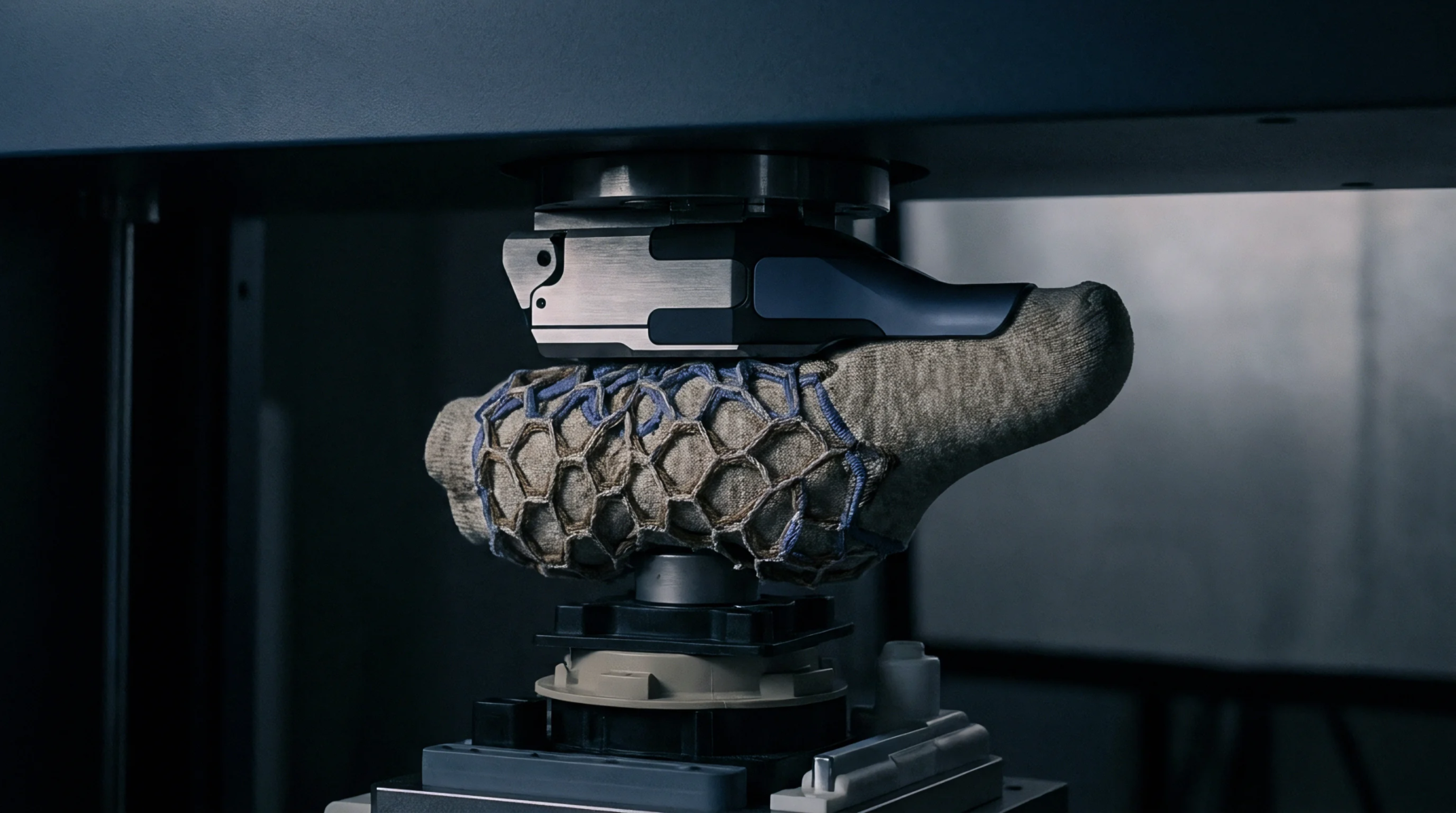
Technical textiles like conveyor belts and tire cords rely on these properties to withstand high loads. The yarn limits elongation, which prevents the final product from deforming during heavy use. It is verified by testing the boiling water shrinkage and dry heat shrinkage of the yarn before it is approved for rubber reinforcement, ensuring that the finished belt will not stretch and slip off its rollers under load.