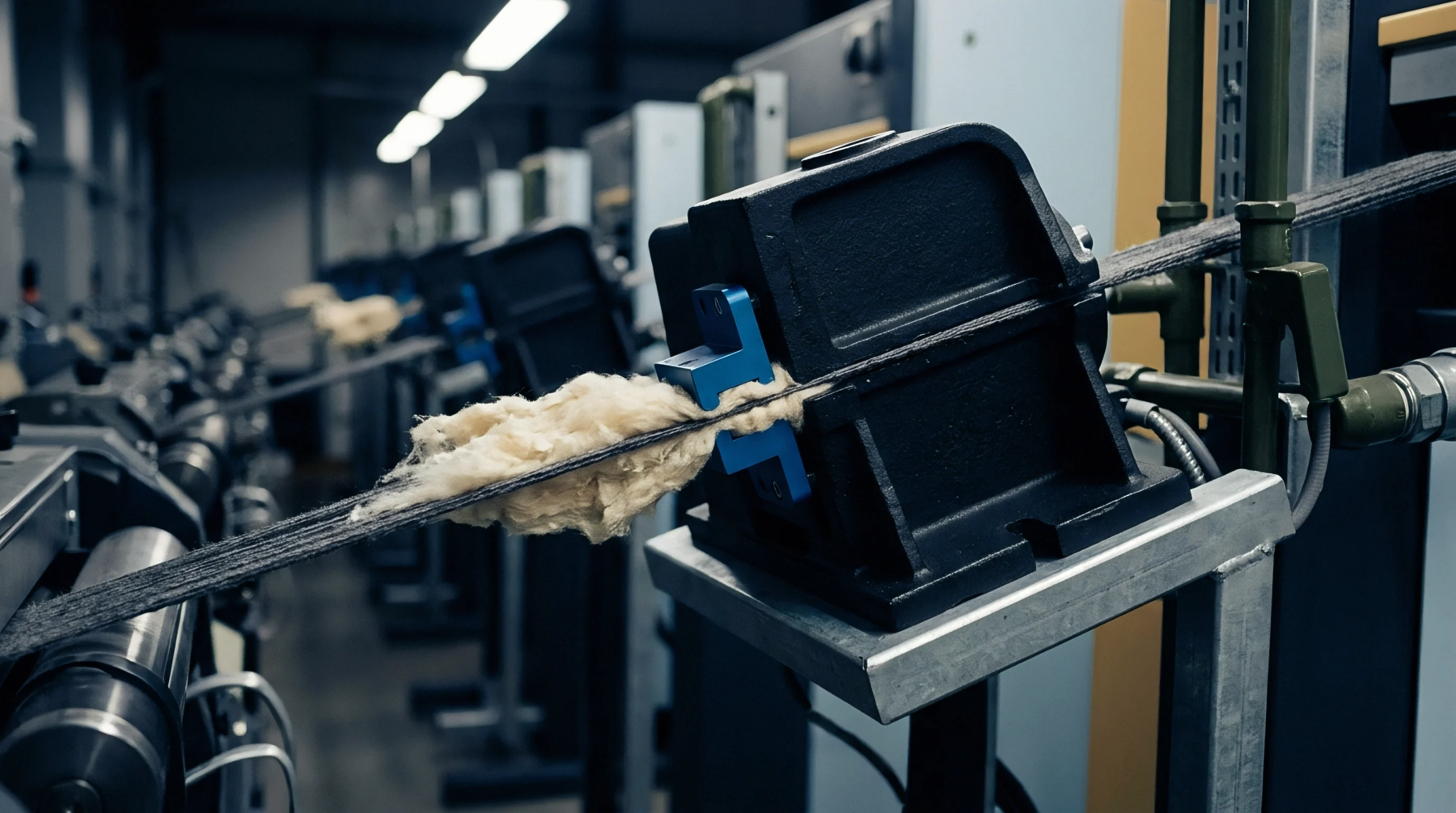
Fluid Property
Resistance to flow in synthetic polymer melts determines the processability of raw pellets through extrusion dies at temperatures exceeding 250 degrees Celsius. High temperature fluid viscosity defines the internal friction generated within a molten material during industrial spinning or molding operations. Engineers evaluate this behavior to ensure uniform throughput in fiber formation and prevent pressure fluctuations that compromise filament denier.
Measurement Protocol
Technicians utilize capillary rheometry to assess the shear stress exerted by a polymer stream under conditions simulating a manufacturing environment. Samples reside in a heated barrel before a piston forces them through an orifice of known geometry to gauge the required force. Deviations from expected readings signal thermal degradation of the material or improper moisture removal prior to processing.
Processing Impact
Manufacturers link variations in melt flow to the structural stability of the resulting synthetic filament or molded component. Elevated heat levels typically lower the internal resistance of the fluid, which increases the injection speed and alters the molecular alignment of the finished product. Consistent control over this specific mechanical property prevents defects like draw resonance or diameter irregularity in polyester and nylon production runs.
Operational Boundary
Performance limits depend strictly on the chemical structure and molecular weight distribution of the base resin. Stability stops when degradation reactions occur at extreme heat ranges because these alterations permanently shift the flow characteristics of the batch. Precise temperature regulation throughout the heating chamber remains the only method to maintain stable output profiles in high speed extrusion.