Mechanical Interaction
Bond strength measurements quantify the resistance to sliding at the boundary between a fibre and its surrounding resin or coating. In technical textiles, interfacial shear stress determines how effectively a load transfers from the matrix to the reinforcing filaments. High values indicate a strong chemical or mechanical lock that prevents delamination under tension.
Adhesion Mechanism
Chemical treatments applied to the fibre surface increase the roughness or reactivity of the material to improve this internal friction. If the bond is too weak, the fibres pull out of the matrix instead of reinforcing it. This failure results in a marked loss of structural integrity for the finished composite.
Testing Procedure
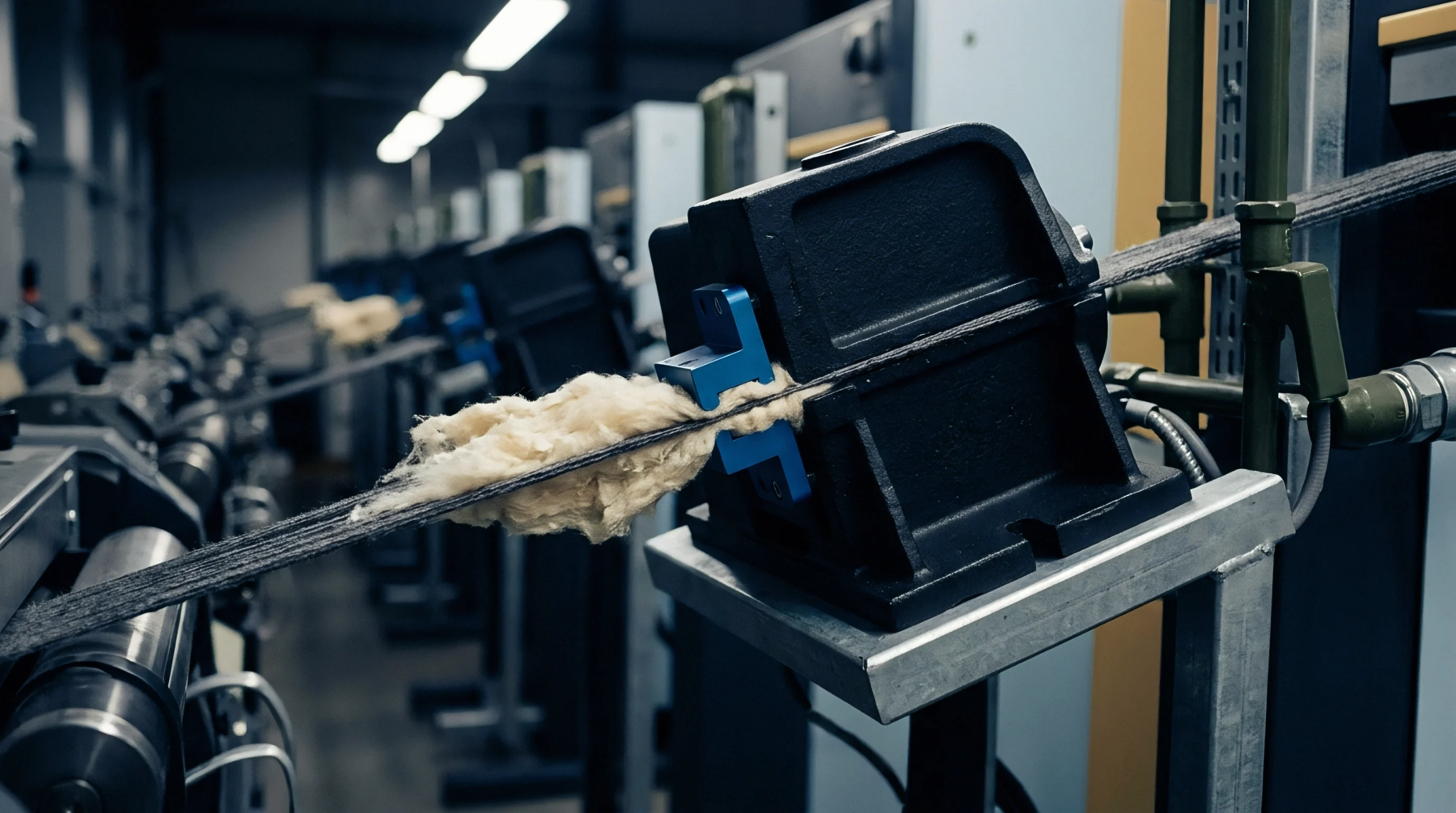
Micro-bond tests involving the pull-out of a single filament from a polymer droplet provide the primary data for this metric. Technicians record the force required to break the interface. These results help mills select the correct sizing agents for glass or carbon fibres used in protective clothing.
Operational Limit
Environmental factors such as humidity or temperature often weaken the bond over time. For example, moisture absorption in nylon can swell the polymer and alter the interfacial shear stress at the contact points. Monitoring these changes is necessary for ensuring the long-term reliability of industrial fabrics used in aerospace or automotive applications.