Variation Metric
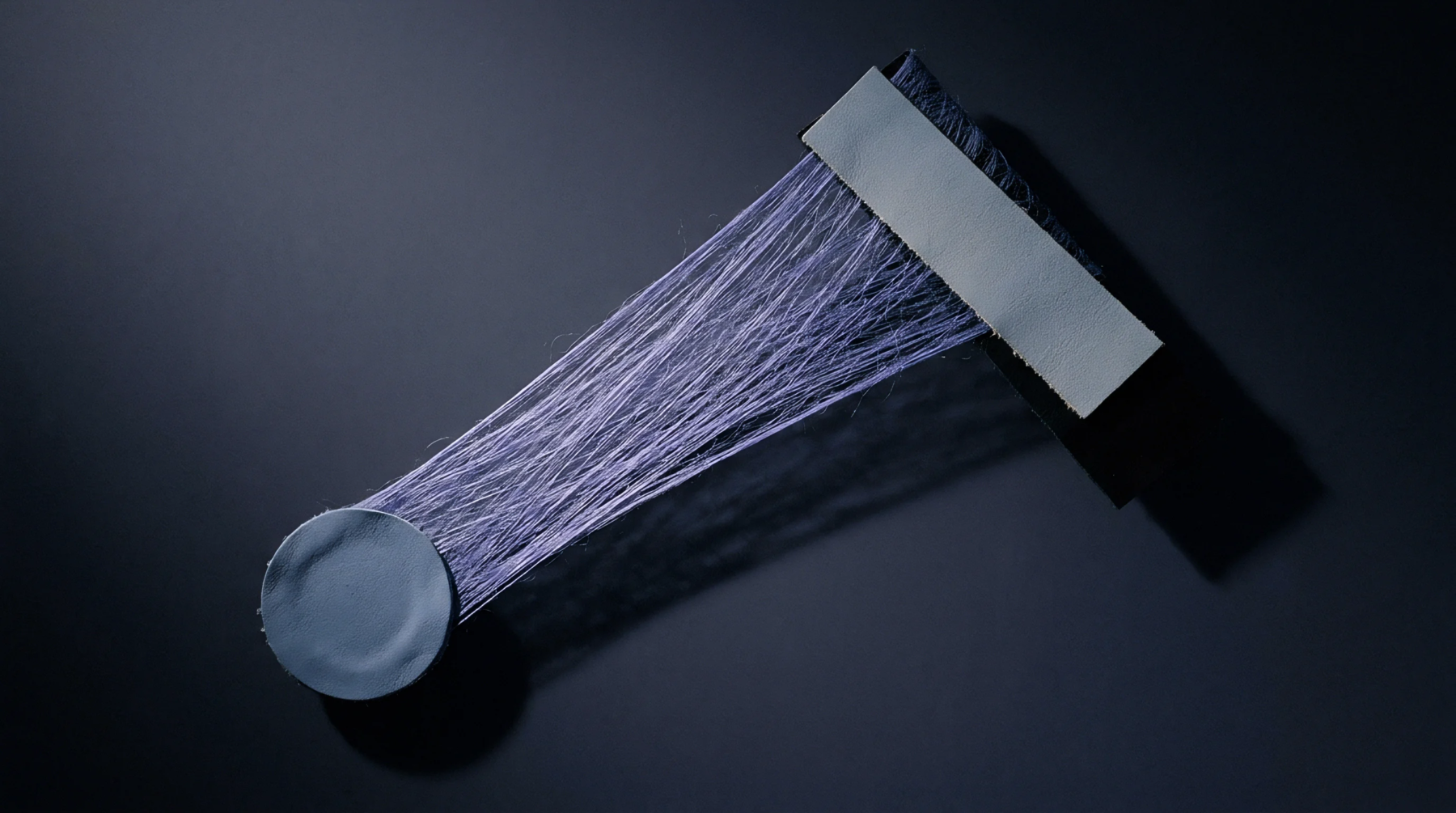
Statistical dispersion parameters evaluate the uniformity of mass per unit length along continuous yarn or roving packages against ideal theoretical values. The linear density cv expresses the standard deviation of yarn tex or denier as a percentage of the mean mass value over specified specimen lengths. Lower percentage values confirm uniform yarn thickness, whereas high values indicate uneven drafting or mechanical defect during spinning.
Quality control laboratories record this metric using capacitive mass testers to screen yarn packages prior to knitting or weaving.
Mass Measurement
Capacitive testing instruments assess thin and thick places continuously as yarn runs through measuring slots at high speed. Measuring the linear density cv requires evaluating short-term mass fluctuations across one-centimeter sample increments alongside long-term variations across ten-meter lengths. Dielectric variations between dry fiber and ambient air produce voltage changes proportional to local mass increments.
Automatic algorithms compute variation coefficients across thousands of meters to identify mechanical periodicities caused by eccentric drafting rollers or damaged apron belts.
Quality Impact
Mass fluctuations along yarn strands dictate fabric surface appearance and mechanical strength. High linear density cv leads to visible barré defects in knitted jersey fabrics and causes localized tension spikes during high-speed warping. Low yarn mass sections create weak points where end breaks occur during weaving operations.
Measurement Limit
Capacitive mass evaluations fail when yarn moisture content fluctuates rapidly or when conductive fibers are tested. Determining linear density cv via capacitive methods produces inaccurate readings on high-blend metallic yarns or damp package cores due to permittivity distortions. Cut-and-weigh gravimetric methods must replace continuous capacitive testing when evaluating hydrophobic synthetic blends with uneven antistatic finishes.