Airflow Measurement
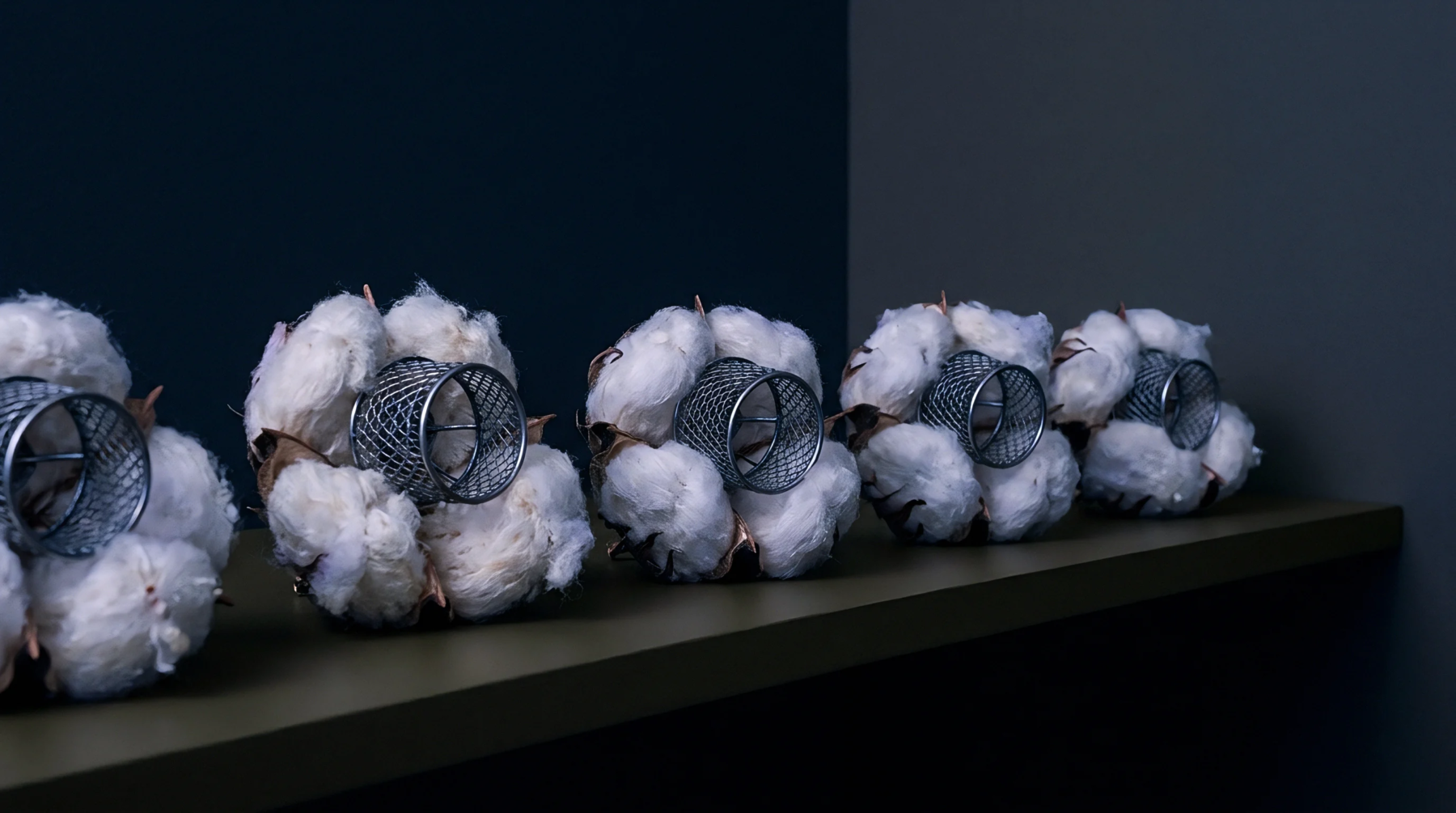
Airflow resistance measurement evaluates the specific surface area of a compressed fiber sample to assess maturity and fineness. Standard laboratory operations use micronaire determination to assign a numerical value to cotton bales before spinning. This test works by passing a controlled stream of air through a fixed mass of fiber compressed into a chamber of known volume.
The resistance to airflow increases when the fiber is fine or immature, which corresponds to a lower numerical index.
Spinning Performance
Yarn manufacturers adjust their fiber blends based on the surface area characteristics of the raw material. Accurate micronaire determination helps the mill avoid mixing highly mature, coarse fiber with immature, fine fiber in the same yarn batch. This blending control prevents uneven dyeing and keeps yarn strength high during high-speed spinning.
Calibration Routine
Laboratory instruments require daily calibration using international reference cotton samples to maintain measurement accuracy. Technicians perform micronaire determination on these reference standards to adjust for changes in barometric pressure or temperature.
Commercial Classification
Cotton merchants use fiber maturity and fineness ratings to establish the market value of each bale. Results from micronaire determination are recorded on bale tags to guide buyers toward appropriate lots for their specific end products. Bales with values outside the premium range face price discounts because they are harder to process and dye.