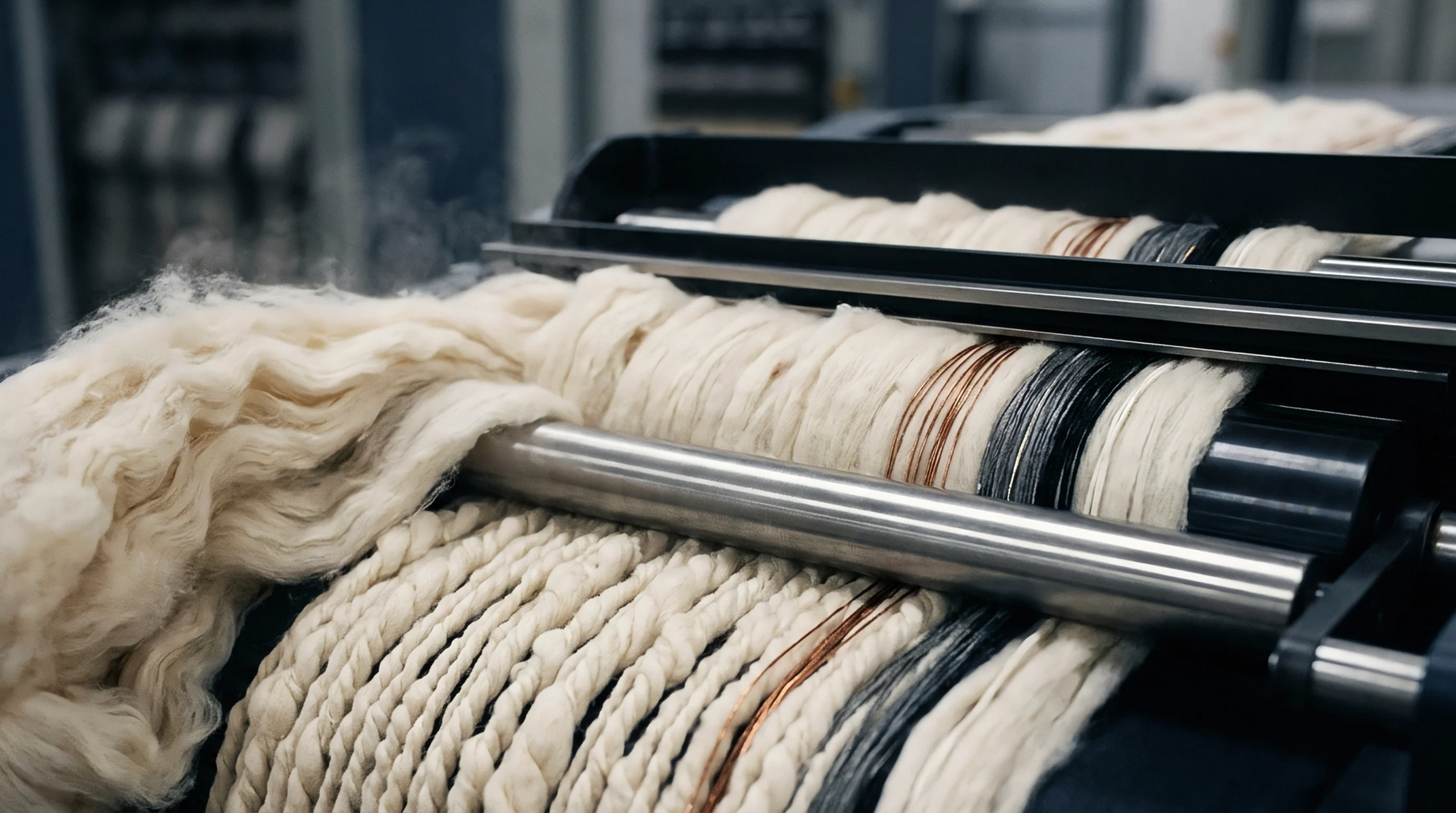
Operational Stall
An unpredicted suspension of factory activity occurs when machine failure, power shortages or supply chain breaks interrupt the conversion of raw fibre into intermediate textiles. Mill processing disruption characterizes the variance between projected output schedules and actual units produced within a designated timeframe. This gap creates inventory deficits that ripple through subsequent stages like spinning, knitting or finishing operations.
Management tracks these intervals to isolate root causes within mechanical maintenance cycles or raw material procurement chains.
Production Risk
Equipment reliability determines the frequency of these halts in high capacity manufacturing environments. Motors burning out or software synchronization errors within the automated looms force a hard stop on production lines. Technicians monitor vibration patterns and heat signatures to predict failures before the machines enter a state of forced inactivity.
Output Variance
Calculating the delta between planned throughput and actual yield allows for a quantifiable measure of efficiency loss. Downtime events generate secondary costs associated with idle labor and potential penalties for missed shipping windows. Plants calculate this loss by subtracting verified hourly output from the original machine capacity targets set during the shift planning phase.
Capacity Boundary
Limitations on production speed exist where human intervention cannot compensate for the total withdrawal of mechanical function. Factory output remains vulnerable to these interruptions until the underlying infrastructure hits a threshold of redundancy that allows for uninterrupted flow. Each hour lost to halted machinery marks a permanent reduction in total site yield that cannot be recovered through faster speeds later.