Count Measure
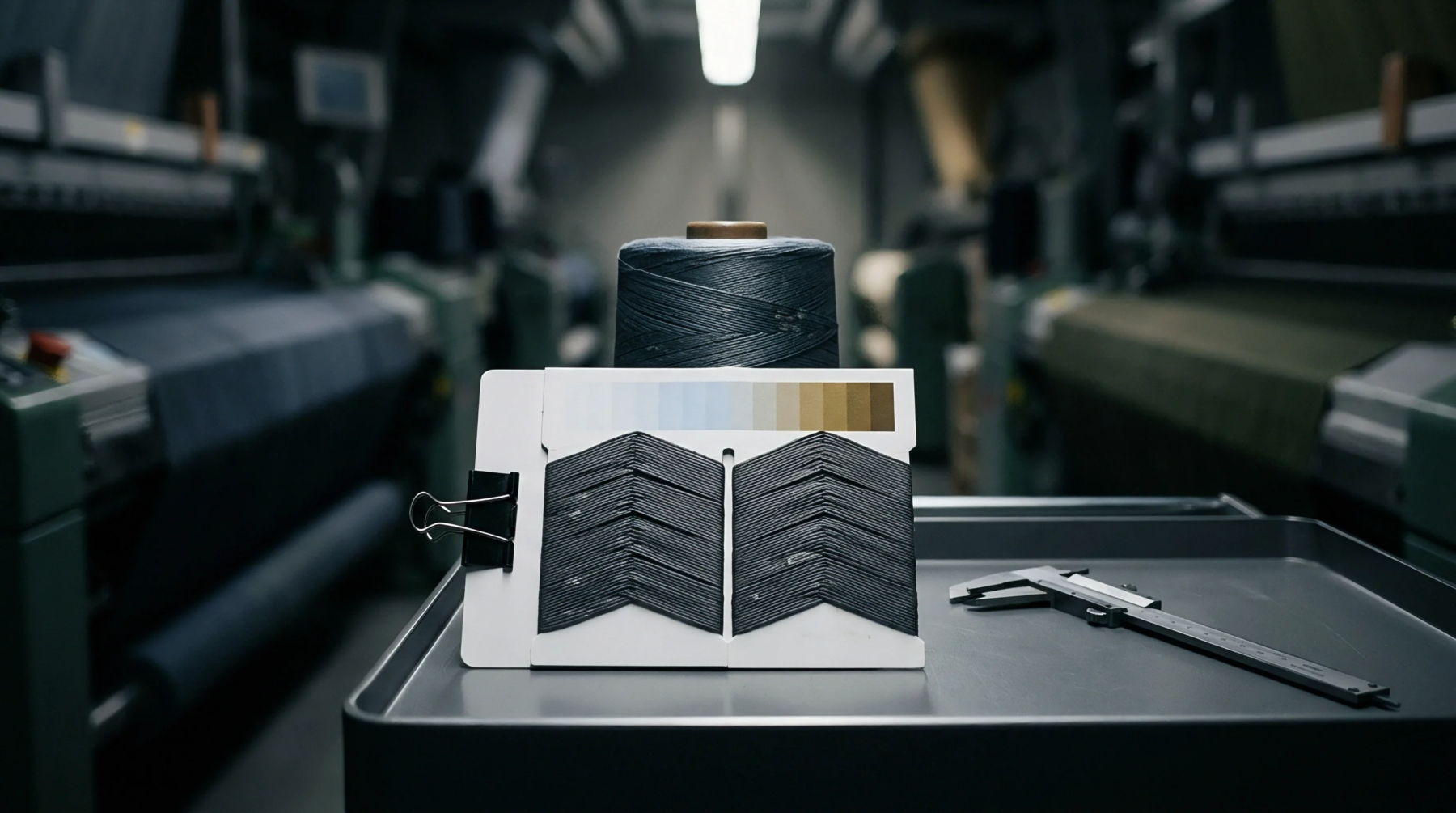
Numerical identifiers describe the relationship between the length and weight of a yarn using an indirect measurement system. The ne yarn count linear density value represents how many hanks of 840 yards each fit into one pound of mass. Higher numbers indicate a finer yarn while lower numbers denote a thicker strand suitable for denim or towels.
Weight Relation
Conversion between different weight units follows a fixed formula where the product of yarn count and length remains constant. For ne yarn count linear density, the measurement is widely used in cotton systems globally. Spinning mills adjust the drafting gear ratios to hit specific target counts required by knitting or weaving orders.
Quality Correlation
Deviations from the target count affect fabric weight and finished garment dimensions significantly. Maintaining ne yarn count linear density within a plus or minus three percent range prevents barre streaks in knitted rolls. Regular weighing of yarn samples on high precision balances verifies the daily output consistency.
Stock Allocation
Inventory labels rely on these figures to ensure the correct raw material reaches the correct loom. Mistaking ne yarn count linear density codes leads to costly errors where fabric density fails to meet technical specifications. Clear marking of these units is mandatory for all international yarn exports.