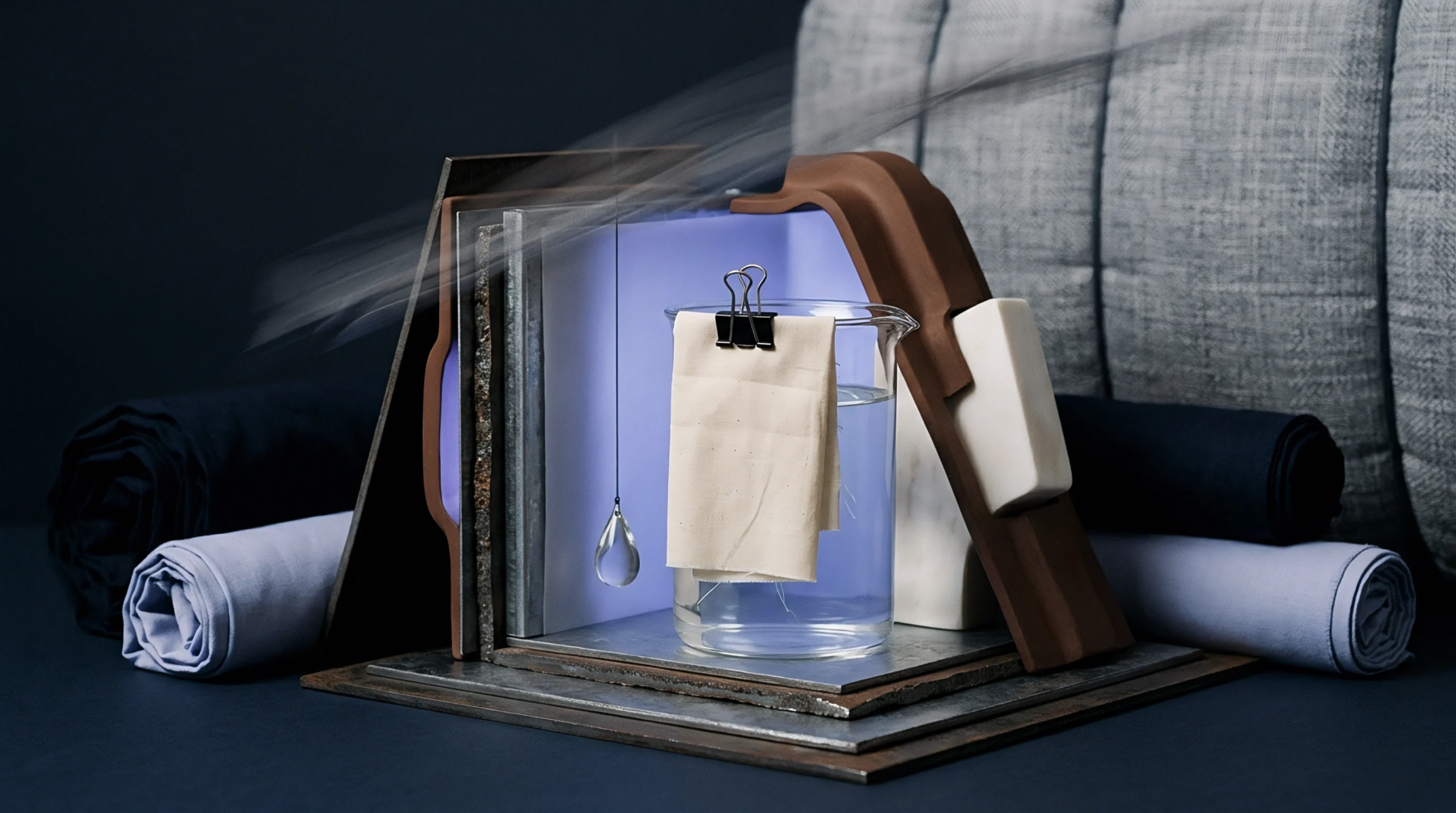
Squeeze Control
Mechanical squeezing of saturated textiles between rollers controls the wet pick-up of finishing agents during continuous open-width processing. In the dye house, nip pressure padding determines the amount of chemical solution that remains in the fabric before it enters the drying oven. This process ensures uniform chemical distribution across the entire width.
Process Parameter
Roller hardness and pneumatic force are adjusted to maintain a constant extraction level. Incorrect nip pressure padding can cause shading variations or uneven finishing effects. This variation happens when the pressure is higher at the edges than in the middle of the roller.
Quality Outcome
Dryers operate more efficiently when the initial moisture content of the fabric is minimized. Proper nip pressure padding reduces energy consumption by leaving less water to evaporate in the stenter. This reduction increases production speed and lowers processing costs.
Testing Protocol
Technical teams monitor wet pick-up percentages by weighing fabric swatches before and after the padding stage. Consistent nip pressure padding is confirmed when the pick-up remains within the target range for the specific fabric construction. This monitoring prevents finish migration and ensures the chemical concentration is correct across the entire lot, which is vital for maintaining the performance standards of functional textiles.