Flow Concentration
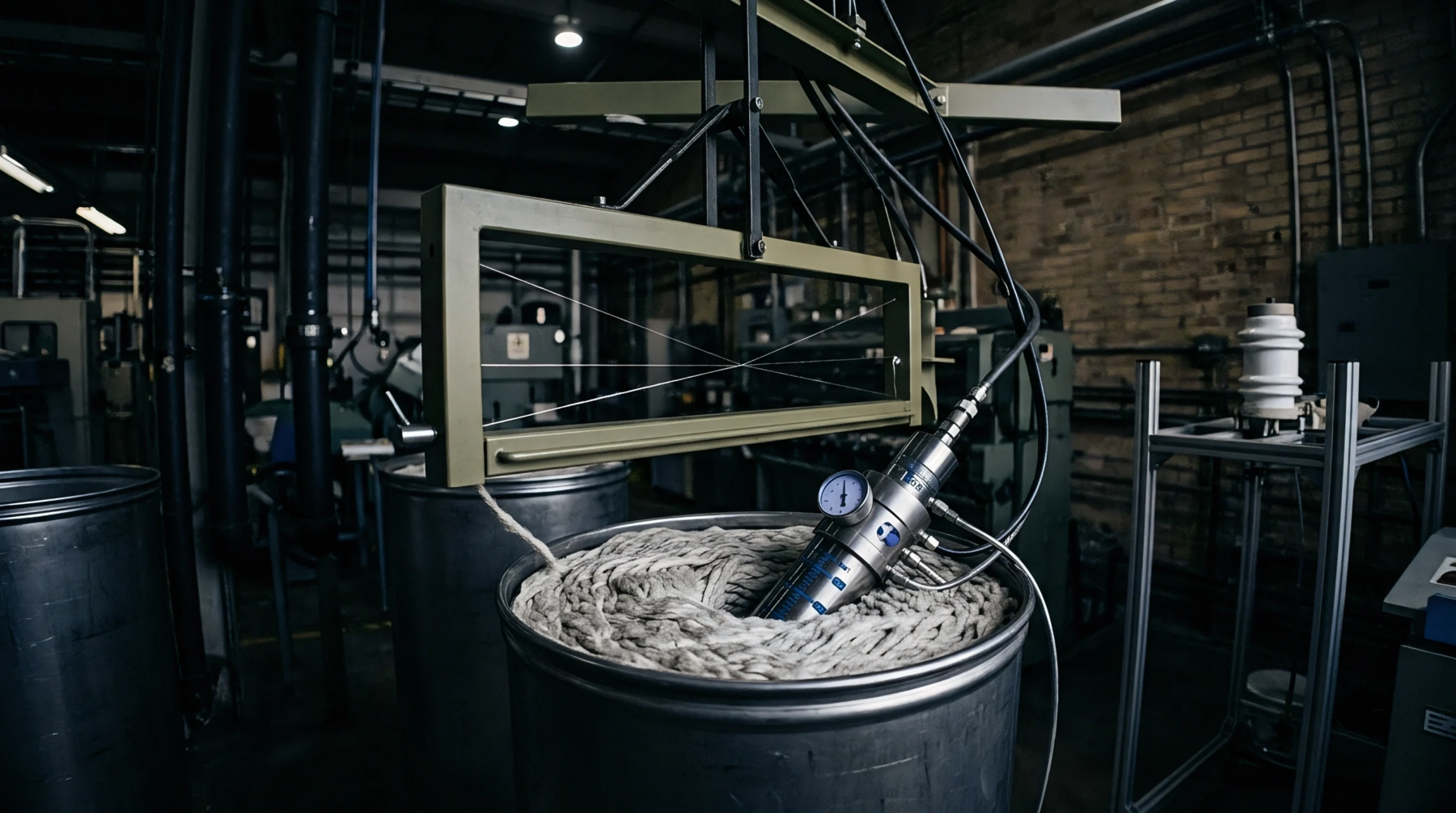
The design of jet or venturi nozzles in wet processing machinery controls the speed and force applied to the moving fabric rope. In liquid-jet dyeing machines, the nozzle throat geometry dictates the speed at which the fabric is propelled by the dye liquor. This structural dimension must be matched to the weight of the fabric being processed.
Velocity Control
Controlling the flow restriction governs the physical force applied to the fabric rope. As the dye liquor is forced through the nozzle throat geometry, the narrowing area causes the fluid to accelerate rapidly. This high-speed stream grabs the fabric, pulling it through the machine without causing mechanical abrasion.
If the throat is too wide, the fluid velocity drops, and the fabric rope may stall inside the machine. Conversely, a throat that is too narrow creates excessive tension that can stretch or tear delicate lightweight knits.
Shear Forces
Hydrodynamic forces at the restriction point also influence chemical absorption. The intense turbulence within the nozzle throat geometry accelerates the exchange of dye molecules between the liquid and the fiber surface. This rapid action ensures that the dye is distributed evenly across the fabric rope before the material can fold.
Finishing Uniformity
Machine operators select different nozzle inserts to accommodate various fabric weights and structures. Heavier fabrics like terry toweling require a wider nozzle throat geometry to prevent rope jams and allow higher flow volumes. Choosing the wrong insert can result in rope marks or uneven color along the length of the roll.