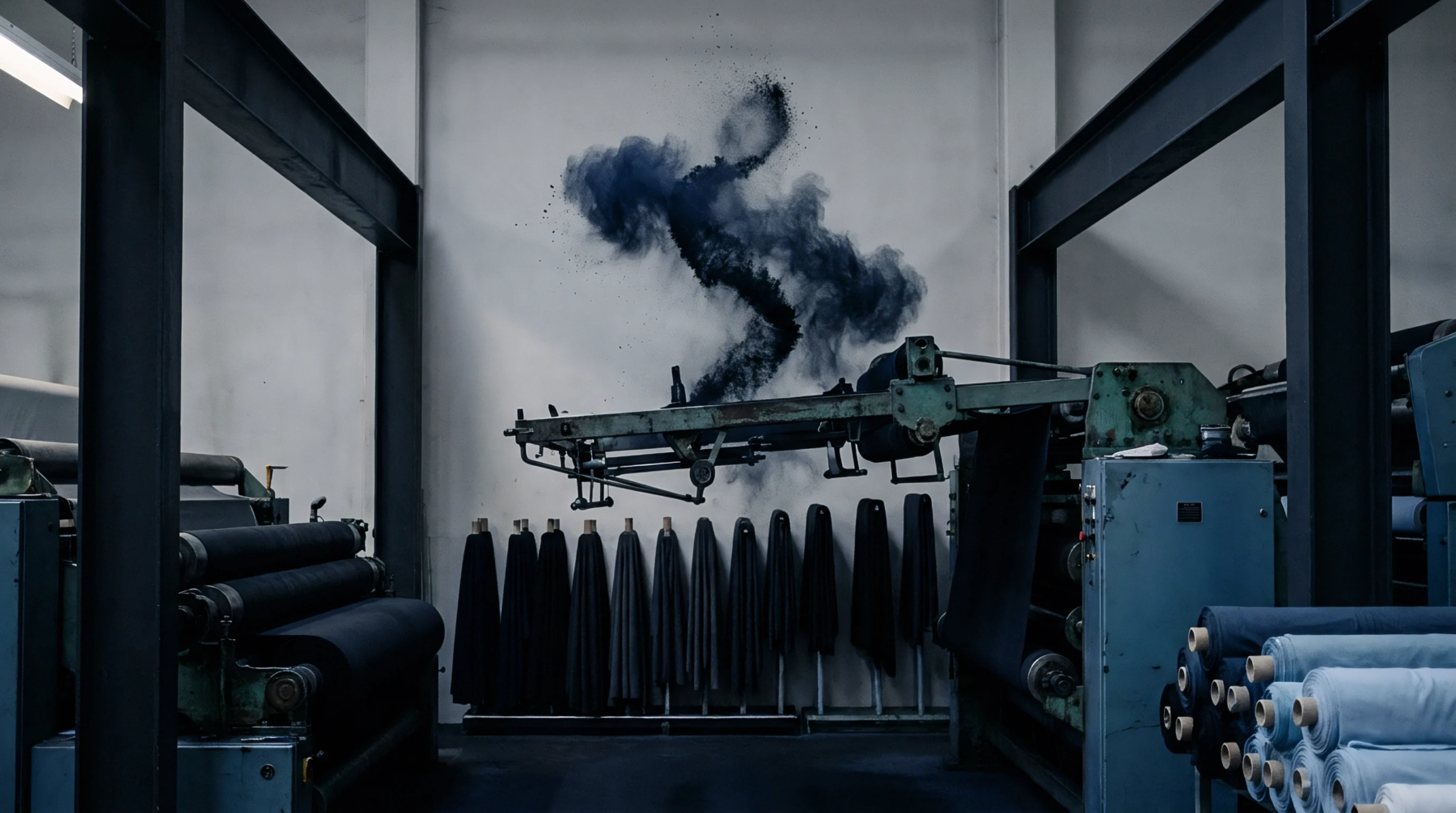
Continuous Fixation
High-speed chemical application and subsequent steaming of flat-width fabrics enables efficient processing of large production volumes. In textile manufacturing, pad steam continuous processing is a method where fabric is first impregnated with dye liquor and then exposed to saturated steam to fix the color. This setup is highly effective for dyeing cotton and cotton-blend fabrics with vat or reactive dyes.
It minimizes chemical waste and water consumption compared to exhaust dyeing methods.
Mechanical Step
Fabrics are passed through a padder where they are squeezed between heavy rollers to achieve a uniform wet pick-up. After the padding stage, the wet fabric immediately enters a vertical or horizontal steamer filled with saturated steam at slightly above one hundred degrees Celsius. This steam environment swells the cellulose fibres and accelerates the chemical reaction required for dye fixation.
The process occurs in a continuous loop, with fabric moving through the steam chamber at a high speed.
Chemical Application
Precise metering of chemicals into the dye bath is necessary to prevent premature fixation or reduction of the dyestuffs. In the dyeing of cotton with reactive dyes, a alkali solution is padded onto the fabric alongside the dye, requiring immediate steaming to activate the covalent bonding process. If the temperature or moisture level in the steamer fluctuates, the dye may not fix properly, which results in shade variation across the run.
Consistent steam quality is therefore essential for long production runs.
Output Check
Quality control relies on inline spectrophotometers that scan the moving fabric. These sensors detect shade drift in real time.