Yarn Lubricant
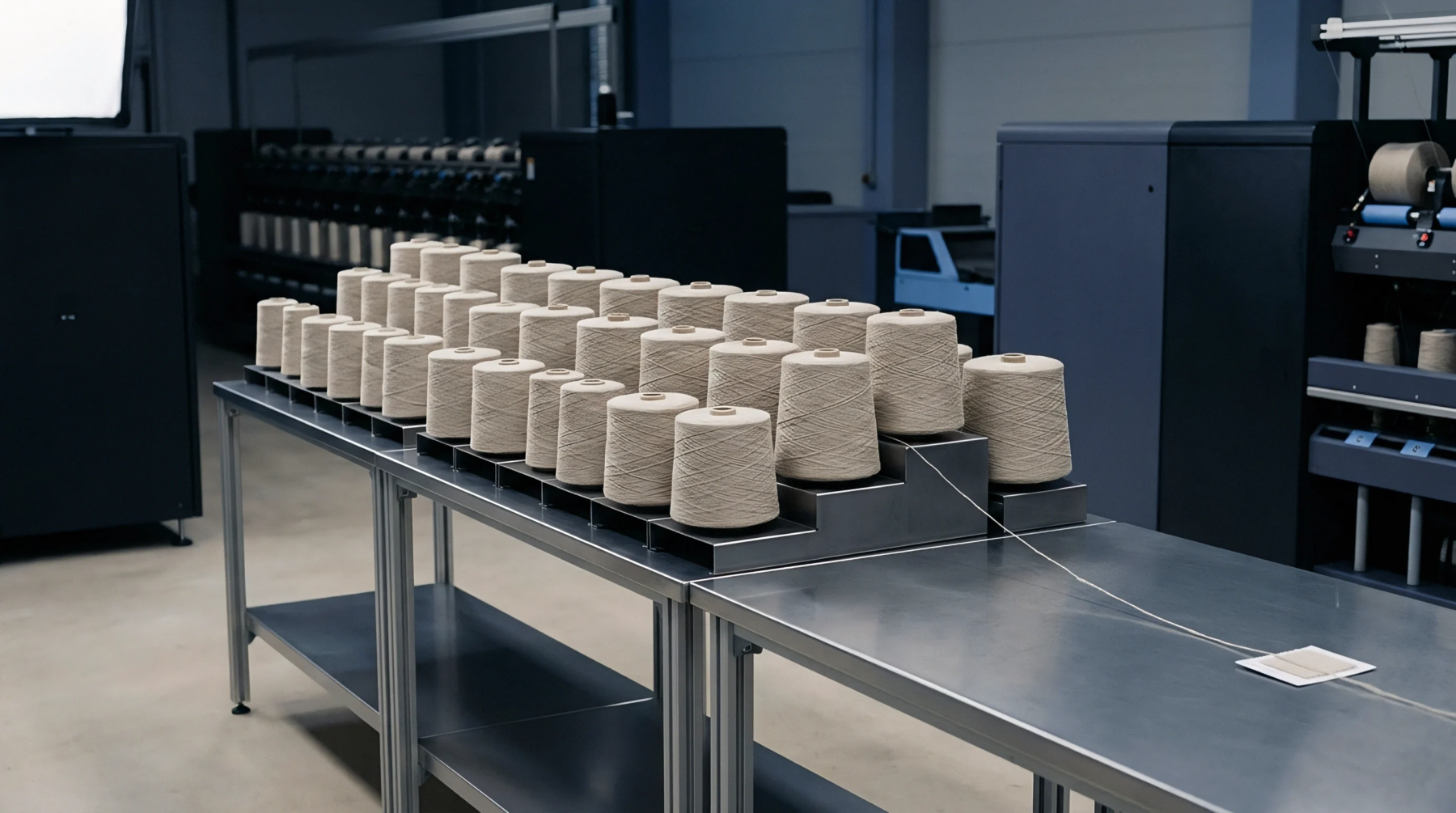
Hydrocarbon-based substances applied to yarns reduce friction and improve processing efficiency during knitting and weaving. Within the spinning mill, paraffin wax lubricants act as a protective layer that allows the thread to slide easily through needles and guides. These treatments are essential for preventing yarn breakage and maintaining a high production speed.
Application Method
Small discs or rollers of solid wax are positioned on the winding machine to coat the yarn as it passes. The amount of paraffin wax lubricants used depends on the fibre type and the intended use of the final fabric. Too little coating leads to excessive heat and static, while too much can cause build-up on the machinery.
Downstream Effects
Most of these coatings must be removed during the scouring and bleaching stages to ensure uniform dyeing. If paraffin wax lubricants remain on the fabric, they create hydrophobic spots that resist the uptake of water-based dyes and finishes. This can lead to blotchy colours or poor fastness in the finished garment.
Modern formulations often include emulsifiers to make the wax easier to wash away in the dye house. Monitoring the residue level is a standard quality check for greige goods before they enter the wet processing stage.
Environmental Impact
Wastewater treatment plants at the mill must be designed to handle the oil and grease load from these substances. Biodegradable versions of paraffin wax lubricants are increasingly used to meet green building and manufacturing standards. Proper selection of the lubricant supports both efficiency and sustainability.