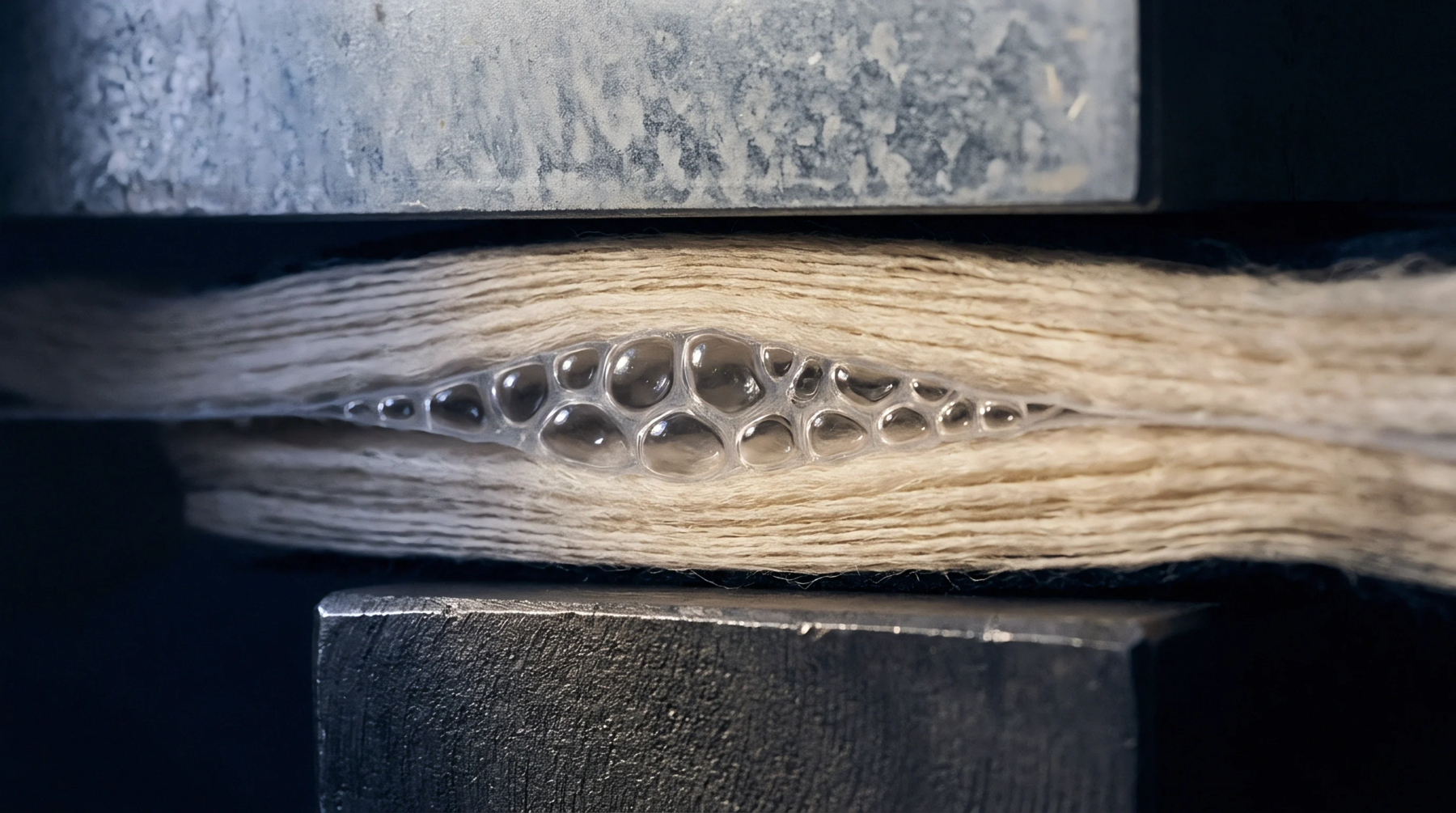
Nozzle Injection Timing
Interval measured in milliseconds or degrees of loom crankshaft rotation during which an air-jet weaving relay nozzle discharges compressed air into the weft insertion channel defines the propellant pulse of the machine. In high-speed fabric manufacturing, pneumatic pulse duration controls the stable transit of the filling yarn across the warp shed while minimizing factory compressed air consumption. The setting governs air-jet loom tuning, filling insertion success rates, and energy efficiency targets, ceasing to apply to mechanical weft insertion systems such as rapier, projectile, or shuttle looms.
Solenoid Actuation Mechanics
High-speed electromagnetic solenoid valves open and close pressurized air supplies to small banks of relay nozzles distributed across the profile reed. The injection sequence must initiate fractions of a millisecond before the tip of the advancing weft yarn reaches the nozzle station and must extinguish shortly after the tip passes downstream to the next relay group. If the pneumatic pulse duration is configured too broadly, compressed air vents into the empty shed without propelling the yarn, inflating operational utility costs across the mill.
If the pulse window is programmed too narrowly, the yarn tip encounters stagnant air resistance, loses insertion momentum, and produces filling buckle defects or machine stop codes.
Yarn Property Calibration
Structural characteristics of the weft yarn dictate the required pneumatic firing duration across the loom cycle. Coarse, heavy open-end yarns demand longer pneumatic pulse periods and higher dynamic pressures to maintain aerodynamic drive against gravitational drop. Conversely, fine filament yarns require brief, low-pressure air pulses to prevent filament separation, loop formation, or structural damage to delicate microfibers.
Technicians program the loom microprocessor to stagger the pulse durations progressively across the profile reed, compensating for weft deceleration as the yarn approaches the arrival sensor at the opposing selvage.
Energy Cost Stabilization
Compressed air generation represents the largest single operational expense in an air-jet weaving weaving shed. Mill managers conduct periodic sensor audits to optimize the pneumatic pulse duration down to the absolute physical minimum required for reliable insertion. Trimming relay valve open times by a mere three degrees of loom rotation per cycle yields measurable reductions in plant-wide kilowatt consumption across multi-loom installations.
Preserving precise insertion timing prevents structural weft stop defects without imposing unsustainable pneumatic overhead on factory utility systems.