Drive Mechanics
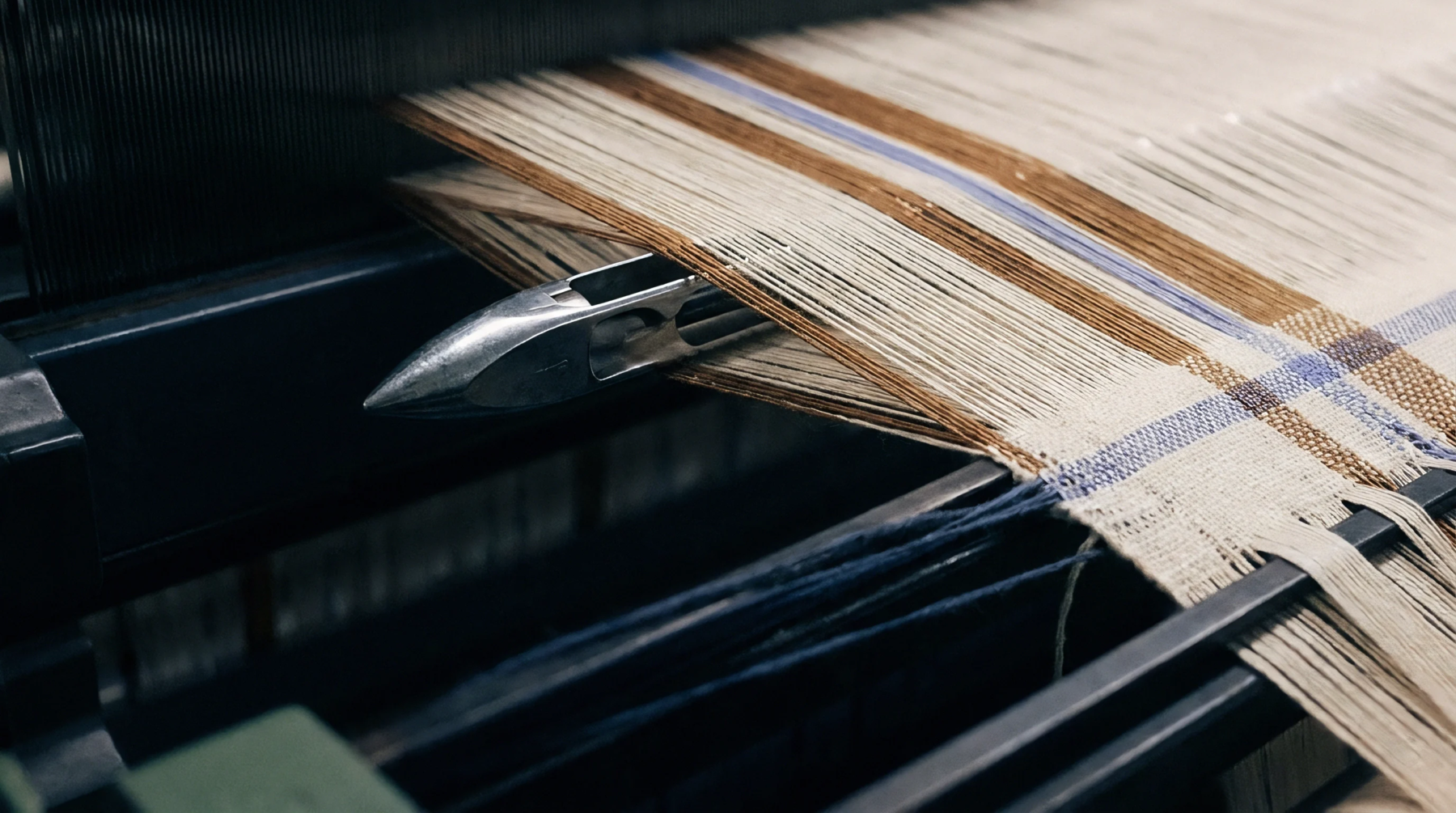
Mechanical propulsion inside the rapier loom transfers pick yarns across the shed through rigid or flexible metal rods. Rapier weft insertion tension defines the specific load applied to the filling yarn during this continuous transfer cycle. Operators monitor this mechanical force parameter constantly during high speed bulk weaving operations to prevent warp breakage and filling stopages.
Excessive pull forces stretch the filament beyond elasticity limits, while slack delivery creates loops and irregular selvages in the grey fabric. Engineers calibrate the main feeder drums and brake assemblies to maintain uniform tension from full bobbin to empty core. Production inspectors verify these values against mill quality standards at the final audit station before finishing treatments begin.
Yarn Integrity
Tensile stress during high speed transfer alters physical characteristics across various spun and filament yarns. High draw resistance damages fragile staple fibers by abrading the outer sheath against harness wires and reed dents. Synthetic filaments withstand higher mechanical loads than natural cotton or wool yarns before structural degradation occurs on the loom deck.
Shed Dynamics
Shed geometry changes continuously as the rapier head enters and exits the warp array. Shed clearance angles determine whether the filling yarn passes cleanly between separated warp sheets without snagging loose fibers.
Load Limits
Maximum operating limits depend entirely upon fiber modulus and linear density ratings established during spinning procedures. Heavy industrial fabrics require higher insertion loads than delicate apparel textiles to achieve proper pick density and dimensional stability. Mill technicians adjust accumulator settings whenever yarn lots change to prevent excessive breakage rates on the weaving floor.
Proper calibration ensures finished woven goods meet strict commercial strength requirements without sacrificing structural integrity.