Polymer Treatment
Synthetic finishes are applied to textiles to improve their physical characteristics such as recovery from wrinkling or resistance to shrinking. Resin weight addition measures the dry weight of these polymers that remains on the fabric after the padding and curing stages are complete.
Fabric Process
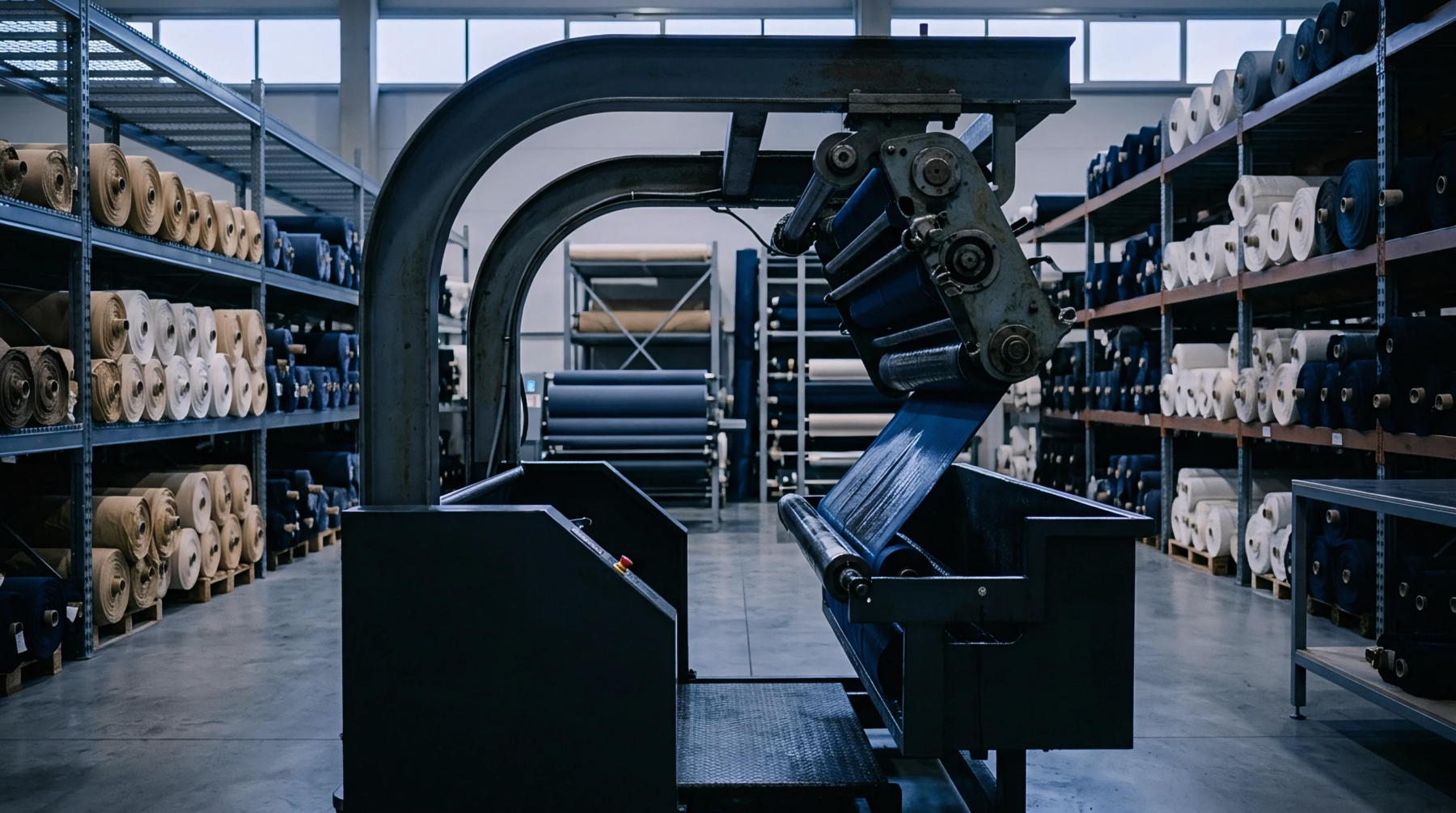
Material passes through a liquor containing resins and catalysts before being squeezed by rollers and heated in a stenter frame. The amount of resin weight addition is controlled by the concentration of the resin in the bath and the pressure applied by the mangle.
Fixed Change
Polymer bonding creates cross-links between the molecular chains of the fibres to provide durable properties. While resin weight addition enhances the utility of the fabric, it also tends to reduce the tensile strength and the absorbency of the material. This trade-off must be managed by the mill to ensure that the fabric remains strong enough for its intended use while still providing the requested finish.
Detailed testing confirms that the chemical has bonded correctly.
Excessive Loading
High levels of chemical solids lead to a harsh hand feel and increased brittleness in the yarns. Once the resin weight addition exceeds a certain point, the fabric may become prone to cracking or dusting, where the dried resin flakes off the surface during sewing or wear.