Dyeing Velocity
The movement rate of fabric ropes through a jet dyeing machine represents the primary mechanical metric for ensuring uniform pigment absorption across continuous textile substrates. Rope circulation speed governs the duration that a specific section of material remains inside the pressurized nozzle while also controlling the physical tension exerted upon the wet fibres during transport. This duration determines the interval between exposure cycles, impacting the total time a dye molecule stays within the liquor bath versus the time spent in the transport tubing.
Precise adjustment keeps the material moving without stalling or knotting inside the vessel chamber. When circulation occurs too slowly, dye uptake variance creates streakiness along the cloth length. High movement rates reduce the frequency of colour unevenness yet risk mechanical damage if the fabric weight exceeds the tensile capacity of the winch motor.
Processing Dynamics
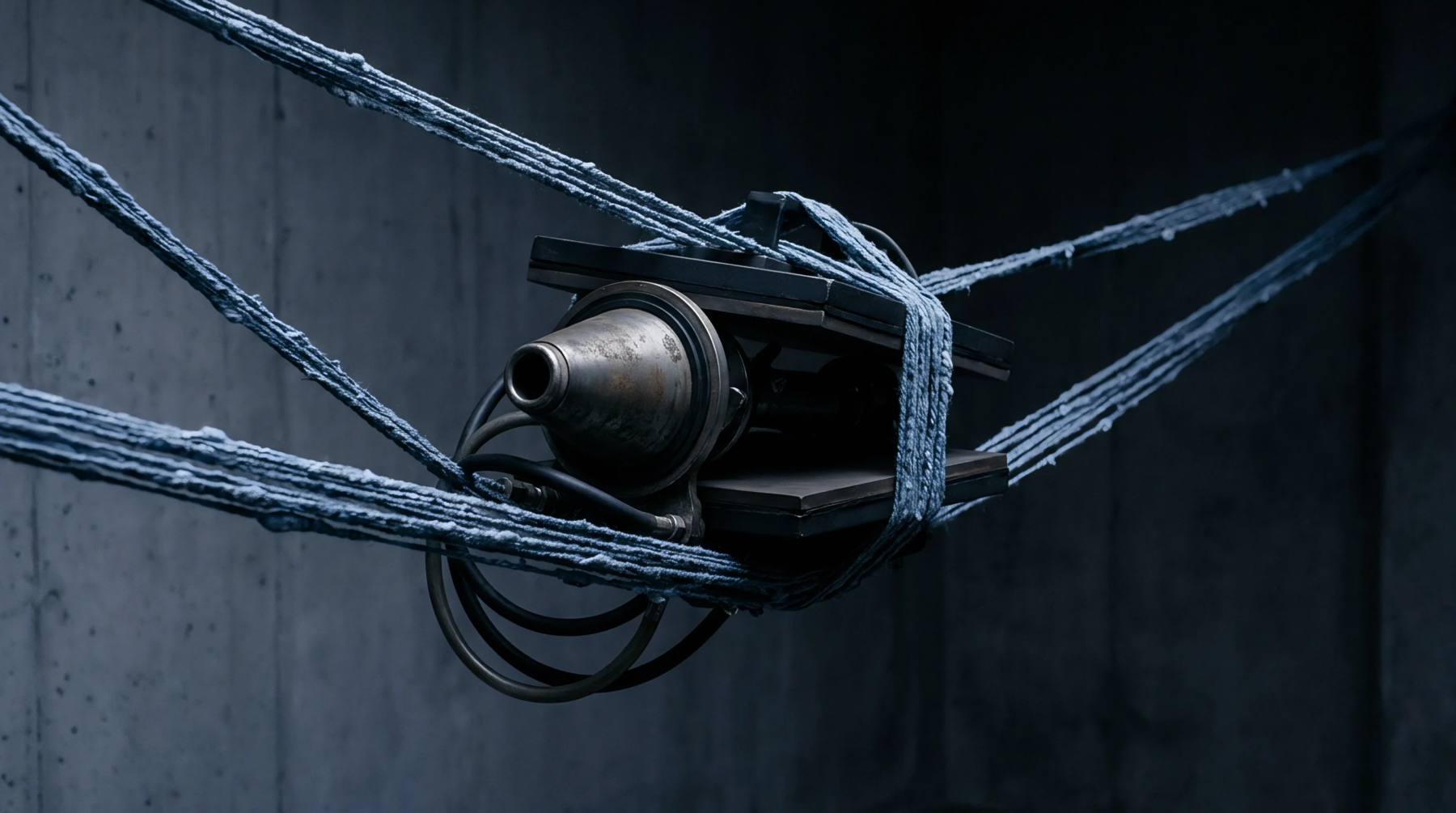
Mechanics within the winch system drive the movement of the material loop forward. Motor output translates into winch rotation, pulling the rope out of the dye bath and pushing it through the venturi nozzle. Friction between the interior wall of the pipe and the wet cloth regulates the drag force applied to the textile.
Adjustments to pump pressure change the force pushing the rope, while winch frequency alters the linear pull speed. Maintenance of a constant rhythm keeps the liquor ratio balanced, preventing excessive localized heating in the heat exchanger. Technicians monitor the current drawn by the motor to detect resistance spikes that indicate potential tangles.
Quality Verification
Inspection of the finished roll confirms whether the selected velocity maintained structural integrity. Surfaces showing pile distortion or fibre breakage suggest that the speed exerted excessive surface friction during the final stages of the dyeing cycle. Uniformity across the width of the fabric indicates that the circulation provided adequate dye liquor penetration without overworking the material structure.
Lab measurements compare these batch results against established reference standards to calibrate the machines for upcoming production runs of similar weight categories. Discrepancies between the intended movement and the actual observed transit time trigger a review of pump efficiency and nozzle diameter settings. Records of these settings assist in troubleshooting defects that appear after the textile leaves the dyehouse for the stenter frame.
Operational Boundaries
Limits on the mechanical movement arise from the weight density of the specific fabric being processed. Heavy denim requires slower transit to prevent abrasion marks compared to lightweight polyester blends which tolerate higher flow rates without surface degradation. Variations in liquor level also restrict the maximum speed allowed by the system configuration.
Airflow injection serves to assist the rope movement during high speed cycles, providing a buffer that reduces direct metal contact with the fabric surface. If the pump output reaches the maximum operating ceiling, the material dwells too long inside the transport tubes, leading to uneven dye distribution. Proper synchronization between the circulation frequency and the bath temperature remains the most effective method for achieving repeatable colour consistency in industrial batch dyeing.