Mechanical Separation
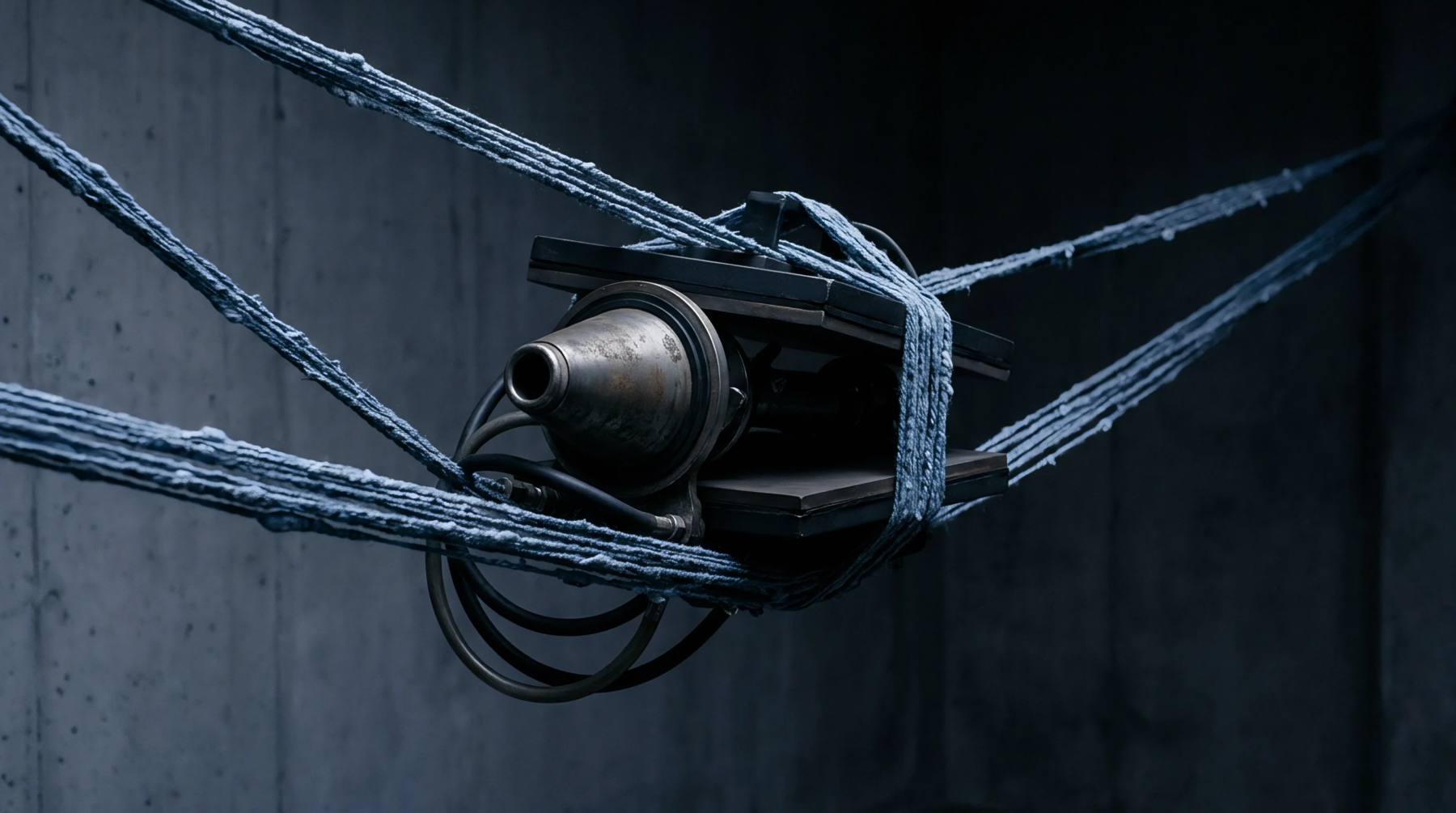
Carding and combing machinery remove low-length cotton fibers to optimize the consistency of the spin stock. The process of short fiber ejection occurs when rotating cylinders or combing needles isolate fibers below a specific threshold and extract them as waste. This action leaves only the longer, parallelized fibers to proceed into the drafting sliver.
Removing these unwanted elements is critical for producing high-quality combed yarns.
Yarn Improvement
Removing low-length fibers from the mix directly improves the tensile strength and appearance of the final thread. A high rate of short fiber ejection reduces yarn hairiness and prevents the formation of pills on the surface of knitted fabrics. It also ensures that the fibers can be twisted together securely during spinning, which minimizes the occurrence of thin spots.
This makes the finished fabric much smoother and more durable.
Machine Setting
Mechanical calibration of the combing machine governs the extraction percentage. Operators adjust the distance between the nipper and detaching rollers to set the fiber length cutoff.
Quality Control
Waste monitoring ensures that mills maintain a proper balance between fiber recovery and yarn quality. Technicians weigh the extracted waste to calculate the extraction rate, which must remain within the specified range to avoid unnecessary material loss. If the ejection rate drops too low, the yarn will suffer from increased hairiness and reduced tensile strength.
Consistent monitoring protects the efficiency of the spinning process.