Chemical Retention
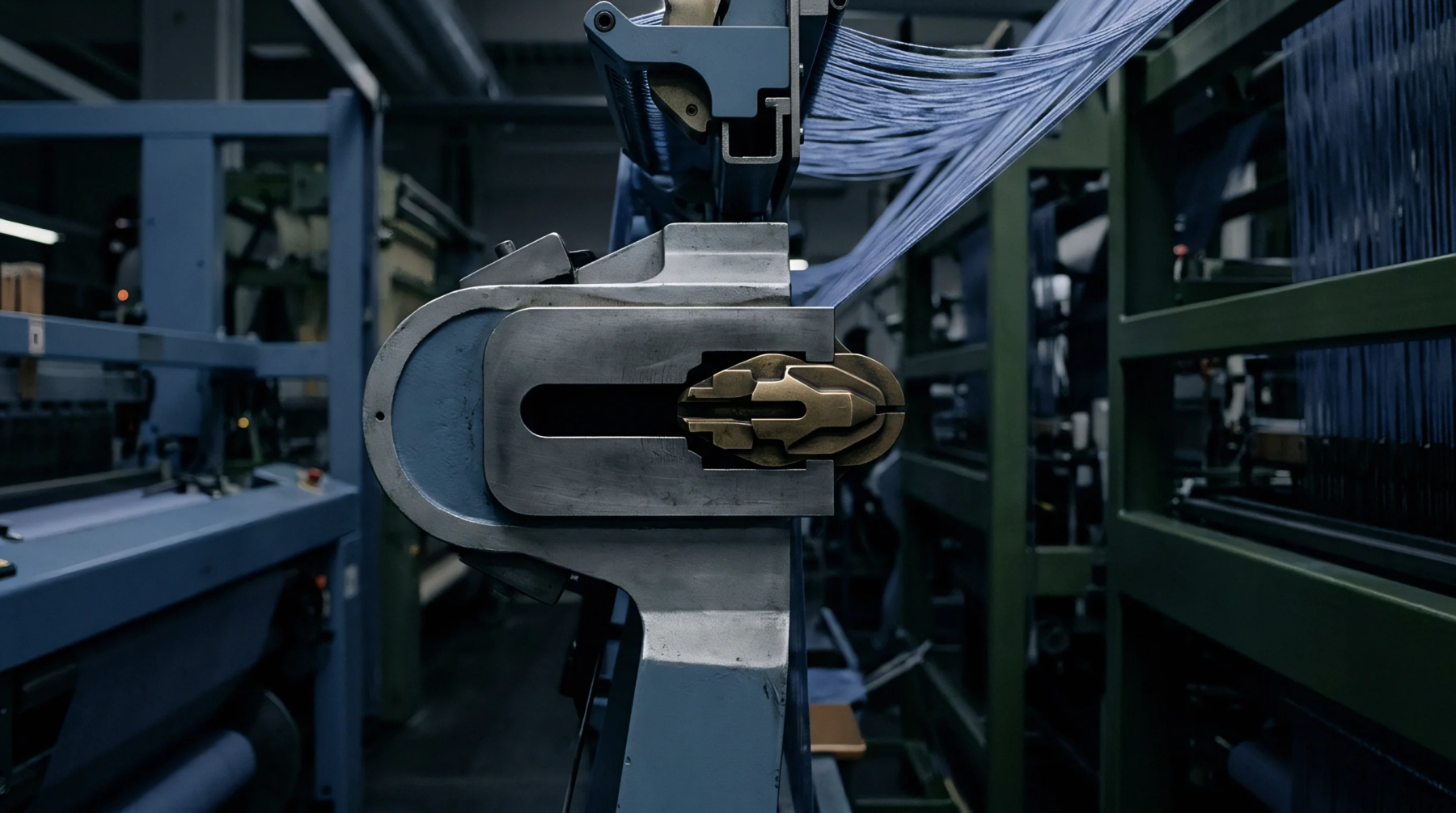
Liquid uptake in textile finishing quantifies the amount of sizing solution applied to warp yarns relative to the dry weight of the substrate. This size box wet pickup denotes the mass of the bath solution retained by the yarn sheet after it passes through the immersion tank and the subsequent nip rollers. Calculations determine the ratio between the wet mass after saturation and the initial bone-dry weight of the yarns.
Application Control
Precision during this stage prevents excessive energy usage in the downstream drying cylinders. Variation in the pressure exerted by the nip rollers dictates the quantity of fluid carried forward into the hot air chambers. Operators monitor the gap and the hardness of the rubber rolls to maintain the target percentage throughout the run.
Consistent tension prevents the uneven migration of additives that causes streaks in the final warp.
Manufacturing Impact
High levels of moisture demand extended exposure to heat to reach the required moisture regain for weaving stability. Efficient removal of surplus liquor minimizes the formation of crusty film on the yarn surface which leads to brittle breaks at the loom. Excessive application increases the cost of materials while potentially hindering the penetration of starches or synthetic polymers into the fibre bundles.
Technical Boundary
Limits exist where the viscosity of the size mixture prevents complete expression by the rollers regardless of the load applied. These constraints restrict the total quantity of solids deposited on the yarn despite attempts to increase or decrease the pressure at the box. Correct estimation of the expression rate remains the primary method for predicting the final starch level on the loom-ready warp.