Mass Distribution
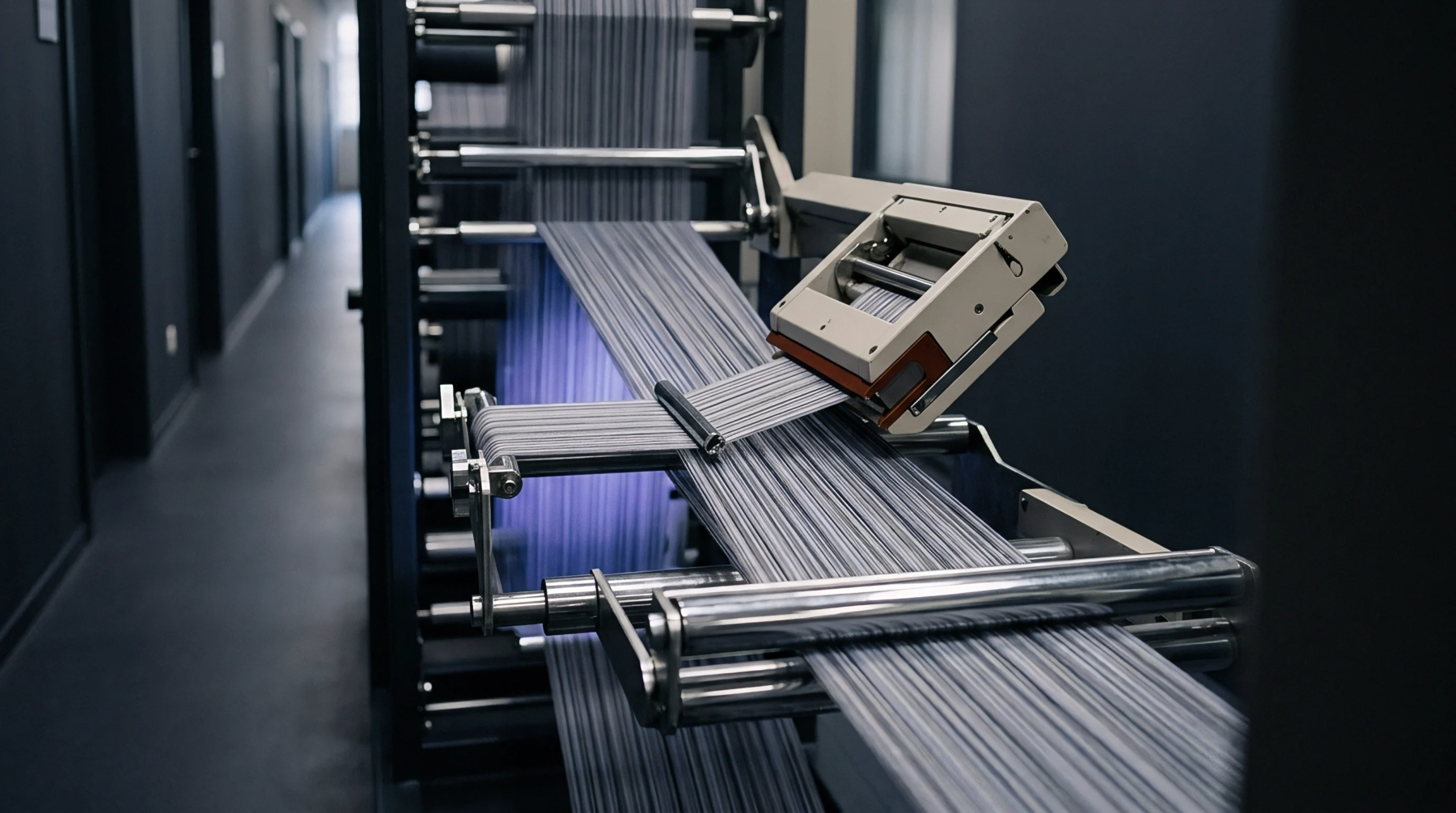
Linear density consistency across a carded or drawn strand acts as the fundamental metric for quality control in yarn manufacturing. Sliver balance describes the measurement of mass per unit length variation within a continuous fibrous rope before final spinning. Technicians record these weight fluctuations to prevent uneven yarn count or structural weaknesses in finished fabrics.
Instrument Calibration
Gravimetric testing equipment determines the deviation from a predetermined weight target across several segments of the material. Heavy or light sections indicate mechanical failure in the carding or drawing frames. Operators rely on high speed sampling sensors that detect deviations in real time during the formation process.
Production Mechanism
Parallel fibers undergo drafting to reduce the material width until the desired mass density occurs. Sliver balance fluctuates when fiber orientation becomes erratic or when mechanical drafting rolls experience vibration. Corrective adjustments to the roller pressure and speed settings stabilize the output.
Technical Boundary
Static weight measurements apply only to the sliver stage of textile processing before the attenuation process produces roving or yarn. Finished product quality depends on the maintenance of these tolerances during early stages, as any underlying variance persists through subsequent production phases. The accuracy of sliver balance dictates the uniformity of the final dyed garment appearance.