Material Dimension
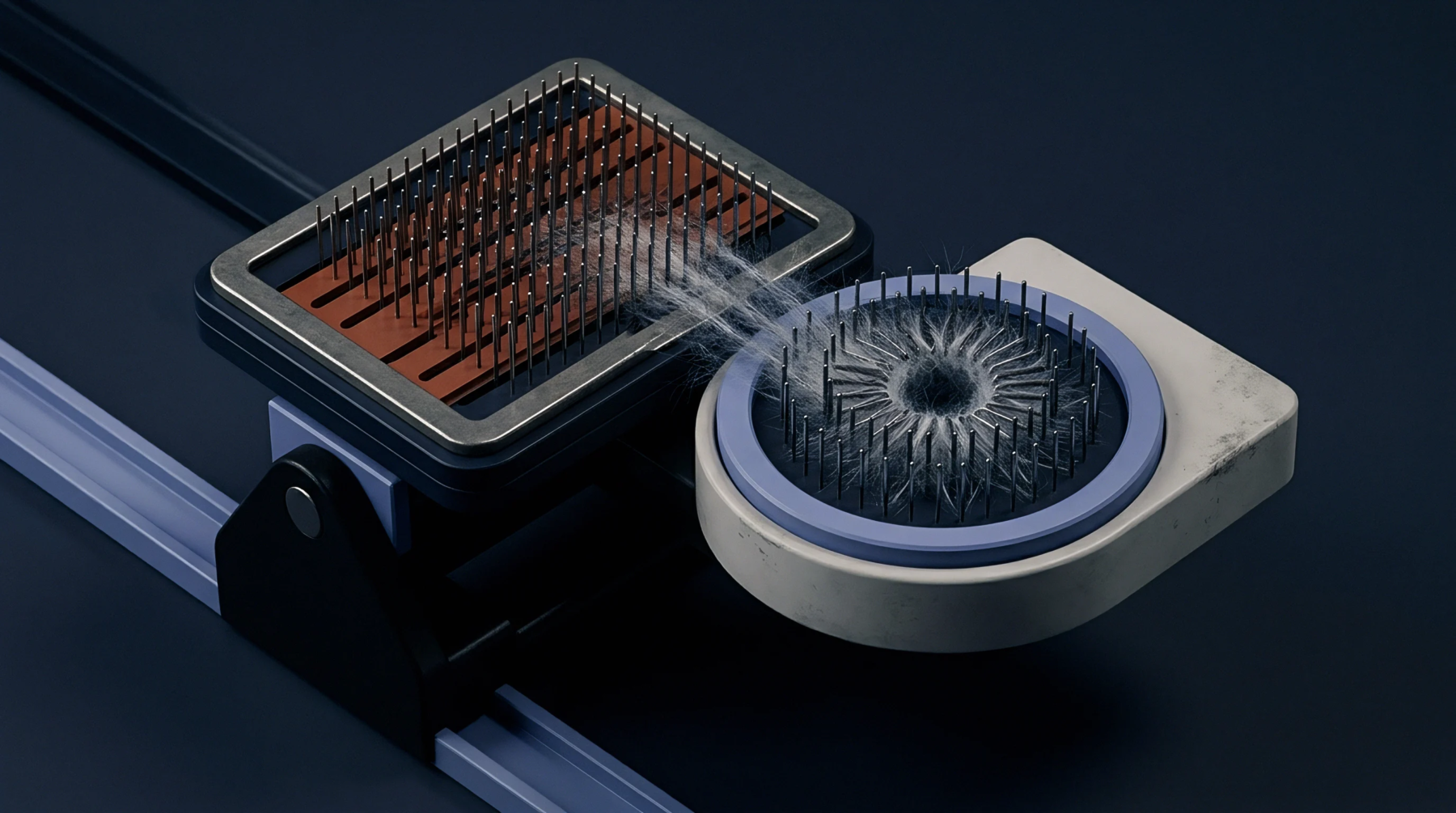
Weight per unit length of the fiber bundle produced during carding or drawing establishes the basis for all subsequent spinning calculations. Measuring sliver linear density ensures that the mass of fiber entering the spinning frame will result in the desired yarn count. This value is expressed in grains per yard or kilotex.
Precise control at this stage prevents long-term weight fluctuations in the finished fabric.
Quantified Measurement
Samples are taken from the production line and weighed on an analytical balance after being cut to a specific length. The sliver linear density must stay within a tight tolerance, often less than one percent deviation from the target. Autolevellers on the draw frame use sensors to monitor this density in real time, adjusting the draft ratio to correct any detected variations.
This mechanical correction is necessary for maintaining the uniformity of the spinning process.
Production Control
Changes in ambient humidity can alter the moisture regain of the fiber and affect the measured weight. Because sliver linear density is a mass-based metric, operators must apply correction factors to account for the environmental conditions in the mill.
Tolerance Limit
Standards for sliver weight are set according to the requirements of the final yarn. When sliver linear density drifts outside of the allowed range, it triggers an immediate inspection of the drafting rollers and aprons.