Standard Equilibrium
Exposure of textile specimens to a controlled atmosphere ensures moisture content stabilizes before physical property measurement. Specimen pre-conditioning removes internal stresses or environmental memory that might alter tensile strength or dimensional stability results. The procedure brings fibres into a state of moisture balance with the laboratory environment to avoid data bias.
Compliance requires a specific duration in a space maintained at constant temperature and relative humidity.
Atmospheric Stabilization
Humidity cycles alter the weight and mechanical integrity of natural fibres like cotton and wool. Rapid fluctuations in the ambient air create inconsistent test outcomes across multiple samples. Controlled rooms force moisture migration until the mass of the fibre reaches a static equilibrium.
Measuring mechanical properties without this step produces data that identifies environmental impact rather than material quality.
Testing Preparation
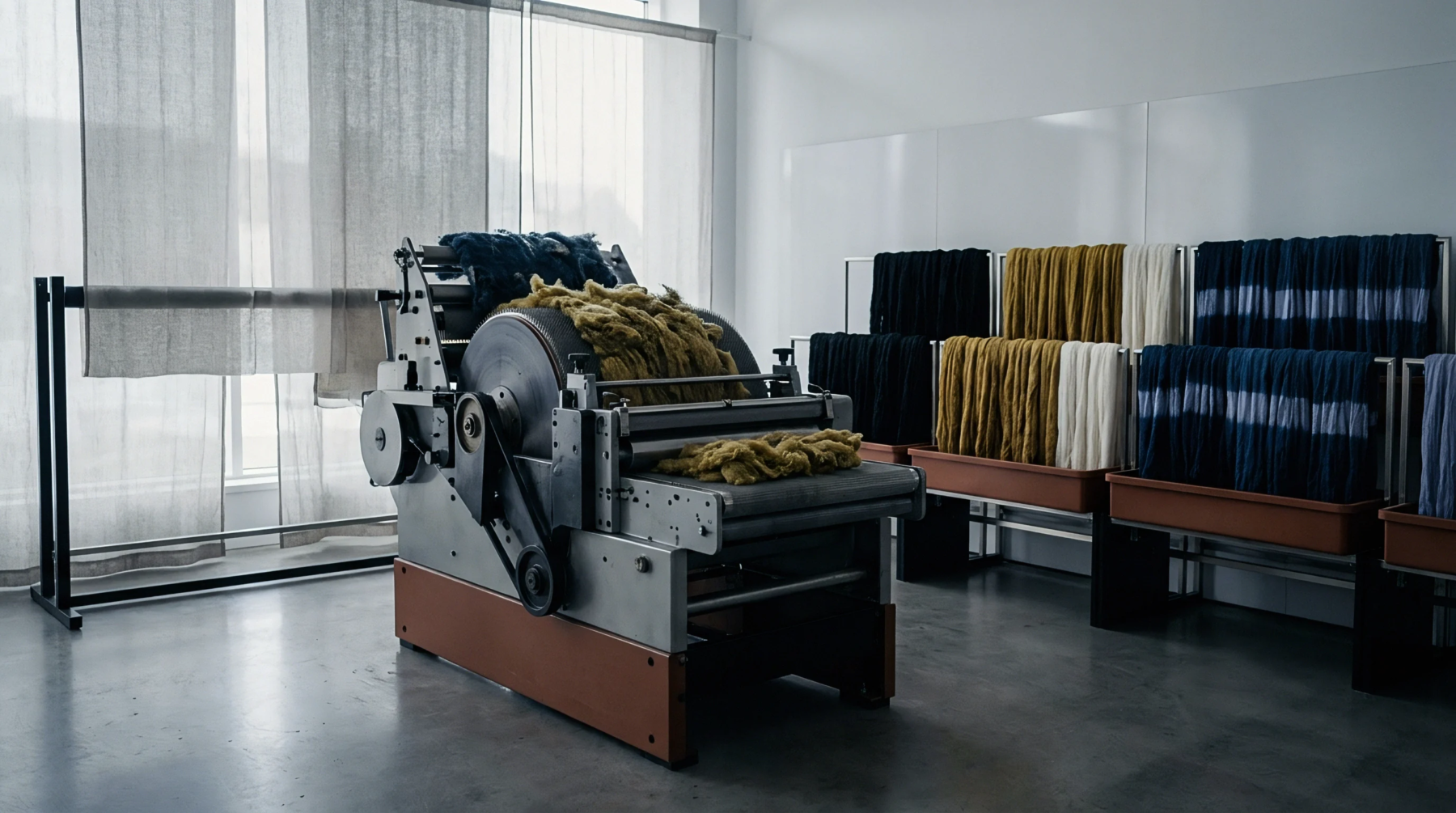
Technicians hang individual swatches or place yarn packages in perforated containers to promote uniform airflow. Sufficient space between items allows the air to touch every side of the material. Dense fabrics require longer cycles because moisture diffusion through the structure happens slowly.
Personnel verify completion by monitoring weight consistency until the sample mass remains identical over consecutive weighings.
Boundary Condition
Proper evaluation of technical performance stops when the material reaches its moisture regain limit defined by the governing test standard. Deviation from established timelines invalidates the subsequent physical assessment of breaking force or elongation. Industrial labs enforce this step to ensure that buyers and suppliers compare identical data sets regardless of geographic location.
Consistent results depend upon the rigorous maintenance of the equilibrium state throughout the entire testing sequence.