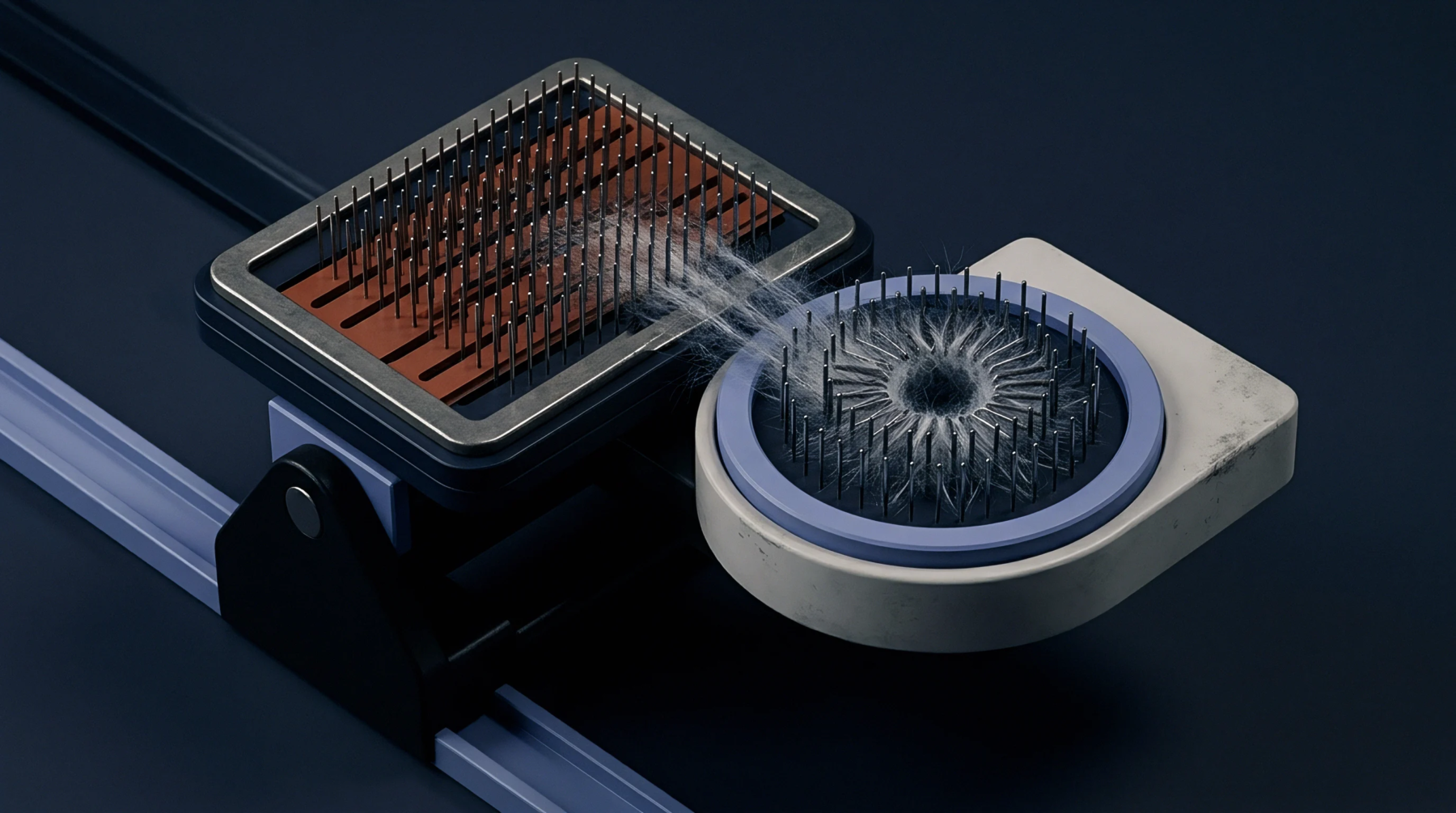
Conveyor Alignment
Guidance of the adhesive coated transport belt through a digital textile printer ensures that the fabric remains perfectly flat and centered. Sticky belt tracking involves the use of sensors and mechanical rollers to correct any lateral movement as the belt circulates. Precise alignment is necessary to prevent the fabric from skewing, which would cause distorted patterns and registration errors.
Substrate Stability
Stretchy or lightweight fabrics like jersey and silk are prone to shifting during the printing process. The adhesive surface holds the cloth in place, but if the sticky belt tracking is off, the entire web of material will move out of position. Correct tension and steering are required to maintain a straight path over hundreds of meters of production.
Maintenance Requirement
Buildup of lint or ink on the rollers can interfere with the sensors that manage the belt position. Technicians must clean the edges and the underside of the conveyor to ensure that the sticky belt tracking remains accurate. If the belt wanders too far, it can damage the edges of the fabric or the internal components of the printer bridge.
Product Quality
Uniformity in the repeat of a pattern depends on the consistent speed and position of the transport system. When sticky belt tracking is functioning correctly, the relationship between the printhead and the fabric remains constant. Reliable tracking is a fundamental requirement for industrial scale digital textile production.
Laser sensors provide the accuracy needed to manage belt position at high speeds.