Mechanical Control
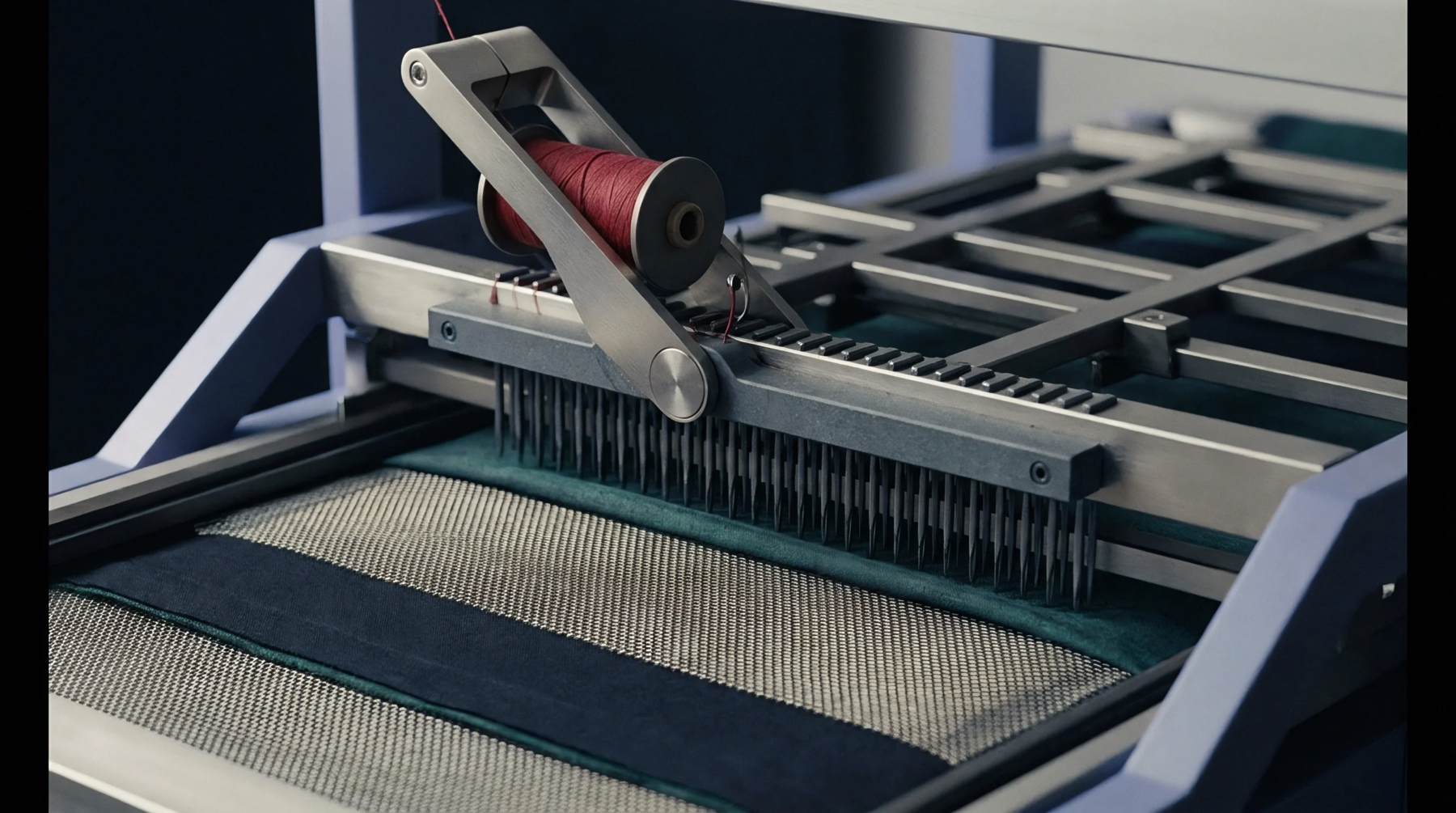
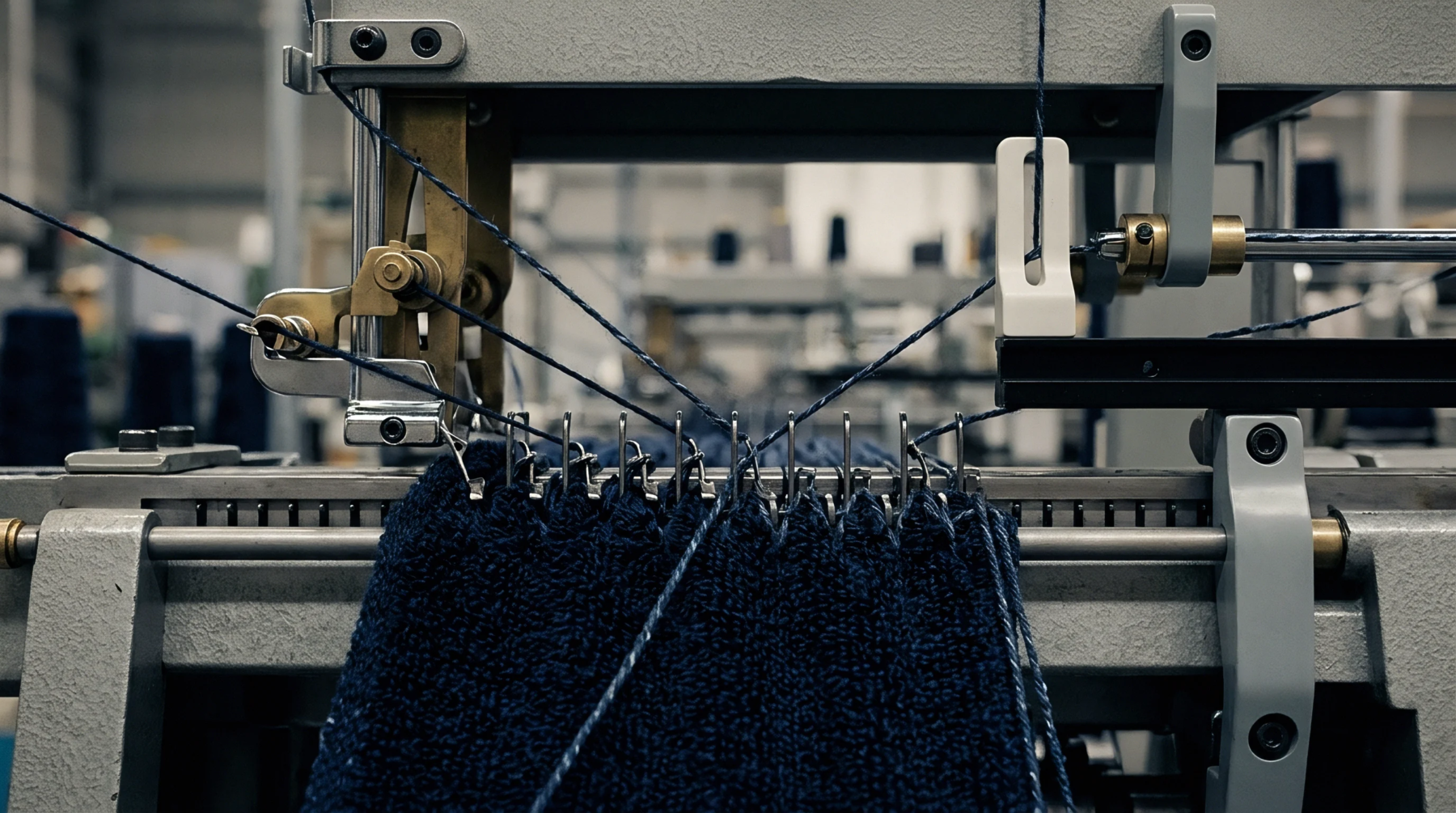
Guiding the movement of needles through a precise path is the method used to control loop formation in knitting. Every stitch cam acts as a mechanical ramp that pulls the yarn to a specific depth. The depth of this movement directly influences the weight, density, opacity and elasticity of the finished fabric.
Fabric Geometry
Adjusting the position of this part allows the operator to change the tightness of the knit without swapping the yarn. A lower setting on the stitch cam creates a longer loop, resulting in a looser and more breathable fabric with a lower weight per square meter. Conversely, a shallow setting produces a dense, tight structure that provides better wind resistance and higher durability.
Wear Management
Friction between the needle butt and the metal surface of the cam leads to gradual wear over millions of cycles. If a stitch cam becomes grooved or pitted, the needle timing fluctuates, causing visible streaks or lines in the fabric known as barre. Periodic inspection and polishing of these surfaces are required to maintain the high quality expected by garment brands.
Synchronization Role
Coordination between multiple cams around a circular knitting cylinder is necessary to produce a uniform piece of cloth. If one cam is set slightly deeper than the others, it creates a repeating fault in the fabric roll. Modern machines often use electronic actuators to ensure every cam is perfectly aligned to the same micron.
This digital control allows for the rapid switching of fabric styles without manual tool adjustments. Technicians can save specific cam profiles for different yarn types to ensure that a reorder of a specific jersey fabric matches the original sample perfectly.