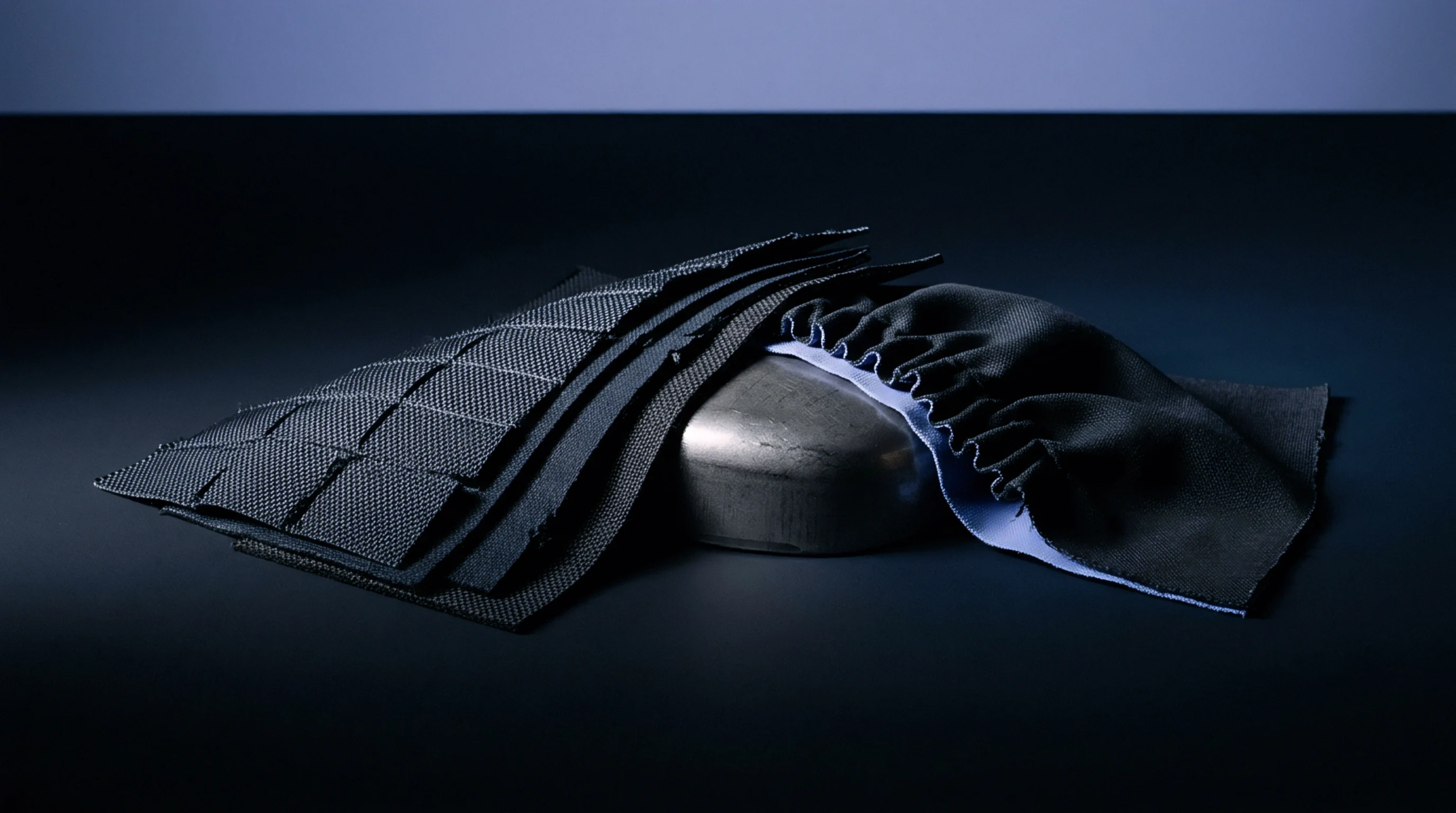
Adhesion Evaluation
Adhesion testing protocols evaluate the tendency of polymer-coated fabric surfaces to stick together under heat and pressure during storage. In synthetic leather manufacturing, surface tackiness blocking occurs when the polyurethane coating bonds to the adjacent layer on a fabric roll. This ruins fabric quality.
Cladding Deterioration
Elevated shipping temperatures and humidity inside cargo containers can activate uncured coatings, causing the textile surfaces to fuse. During storage, surface tackiness blocking results in film tearing and pigment transfer when the roll is unwound for cutting. It produces unusable waste.
Laboratory Trial
Standard test procedures compress fabric squares together under specific weights inside a heated oven for several hours to simulate warehouse conditions. When evaluating the samples, technicians rate surface tackiness blocking on a scale from no adhesion to complete fusion of the protective layers. This rating determines whether the chemical composition of the topcoat requires additional cross-linking agents or silicone slip additives to survive transport.
Industrial Remedy
Fabric finishers apply matte or silicone-based protective topcoats to the cured synthetic leather to prevent surface sticking. By eliminating surface tackiness blocking, mills can pack and store rolls tightly without risk of coating peel or aesthetic defects during unrolling. It guarantees stock stability.