Molecular Bonding
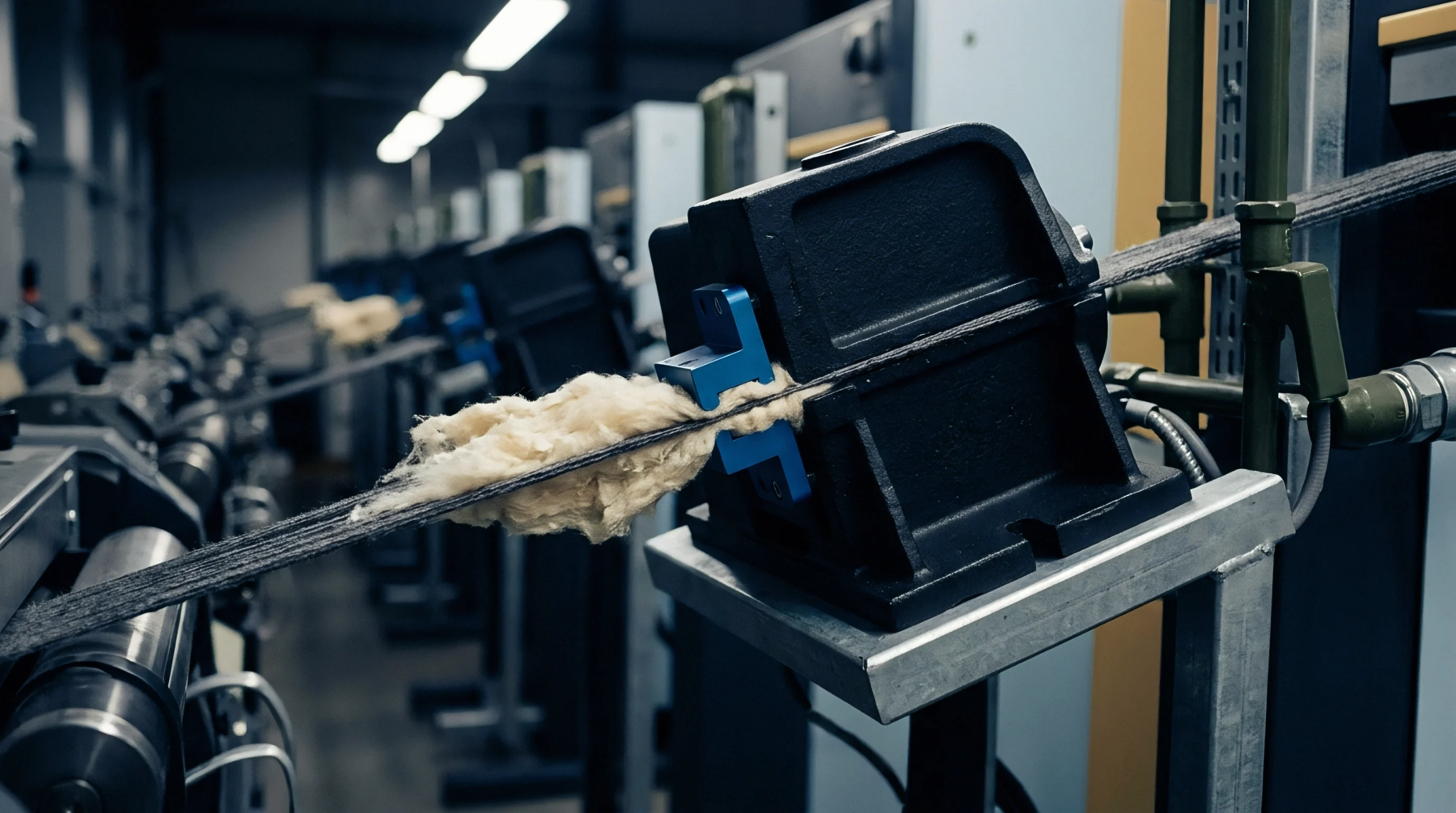
Molecular stabilization of cleaning agents occurs when solvent molecules surround and interact with surfactant particles in a liquid medium. During the scouring of raw wool or greige cotton, surfactant solvation ensures that the detergents remain active and dispersed in the wash liquor. This state prevents the active chemicals from clumping together or falling out of the solution.
Cleaning Mechanism
Solvent molecules create a shell around the hydrophilic heads of the surfactant to lower the surface tension of the water. This allows the liquor to penetrate deep into the yarn structure to reach waxes and oils. Effective wetting of the fabric depends on the speed and completeness of this molecular surrounding.
Temperature Factor
Increasing the temperature of the bath usually improves the solubility and mobility of the components. If the temperature is too low, the surfactant solvation might be incomplete, leading to poor cleaning results. However, every chemical system has a cloud point where the surfactant becomes insoluble and the cleaning power drops.
Production Outcome
Consistency in this chemical state is required for level dyeing in later stages. Any residual waxes left behind due to poor surfactant solvation will repel dye and cause pale spots on the finished fabric. Controlling the water hardness and pH levels helps to maintain the stability of the cleaning bath.