Mechanical Velocity
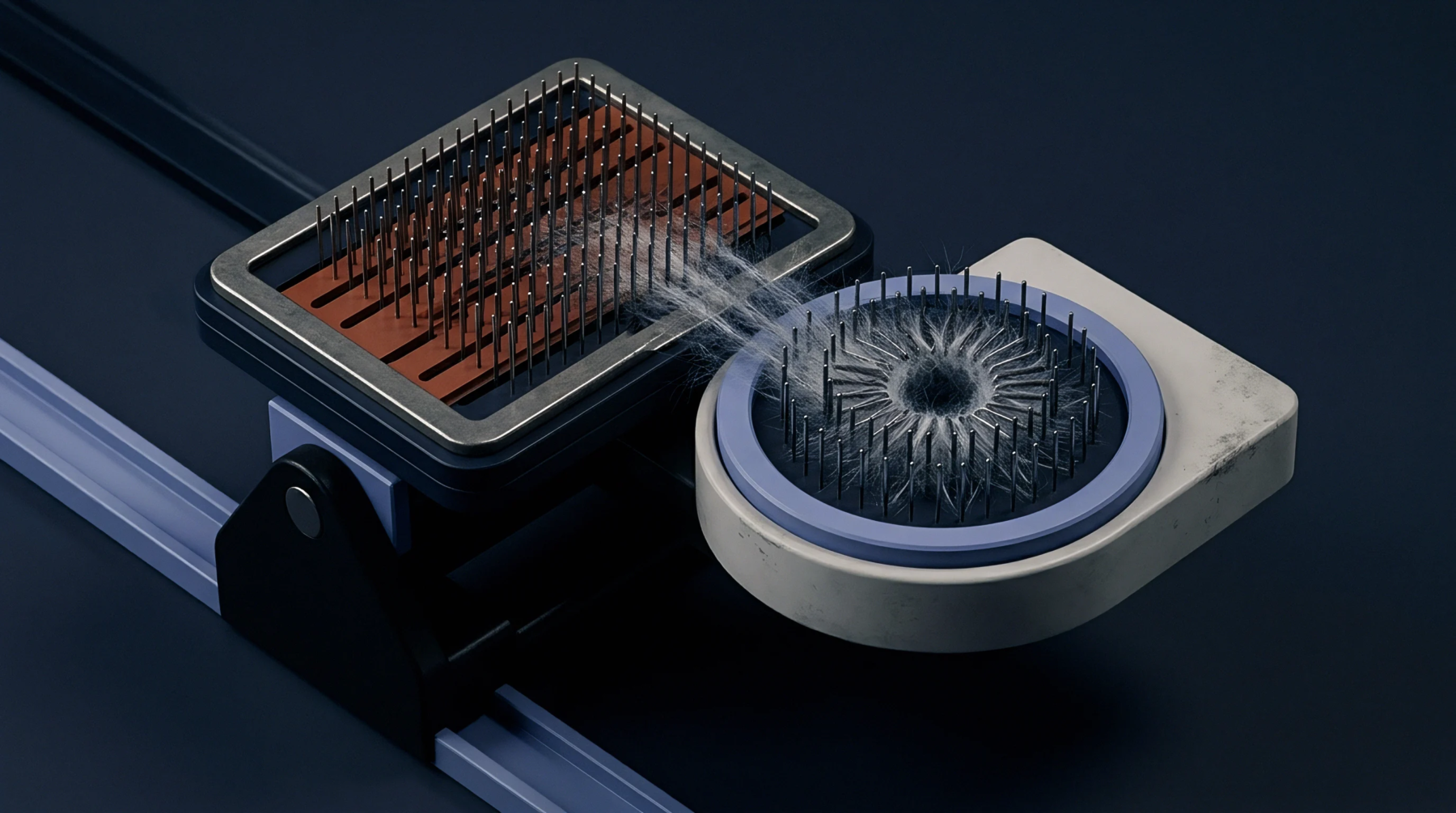
Carding machine settings control the initial opening and cleaning of fibre tufts as they enter the processing line. The taker-in speed measures the rotations per minute of the small, wire covered roller that strips fibre from the feed plate and delivers it to the main cylinder. This component performs the first major cleaning action by striking the tufts against mote knives to release trash and heavy impurities.
Setting the correct velocity is essential for maximizing cleaning efficiency without causing excessive damage to the staples.
Opening Interaction
Higher speeds increase the number of impacts on the fibre tufts, which improves the removal of seeds and leaf fragments. However, if the roller turns too quickly, it can cause significant fibre breakage and create a high number of neps. The ratio between this velocity and the speed of the main cylinder determines how effectively the fibres are transferred through the machine.
Technicians must balance the need for cleanliness against the preservation of fibre length based on the specific cotton grade being processed.
Operating Variable
Feed weight and the thickness of the cotton lap influence the optimal setting for this roller. Heavier feeds usually require slower speeds to prevent the wire teeth from becoming choked with material.
Maintenance Impact
Wear on the wire points occurs faster at higher operational levels. Regular inspections ensure that the teeth remain sharp enough to grip the tufts without tearing them.