Fabric Enhancement
Final processing of woven or knitted fabrics prepares the material for its intended commercial application by modifying its physical properties. The broad phase of production known as textile finishing includes all chemical and mechanical treatments applied to fabrics after weaving or knitting. It enhances the texture and performance of the fabric to meet specific consumer demands.
This stage is carried out in dedicated finishing plants before the fabric is sent to garment manufacturers.
Mechanical Treatment
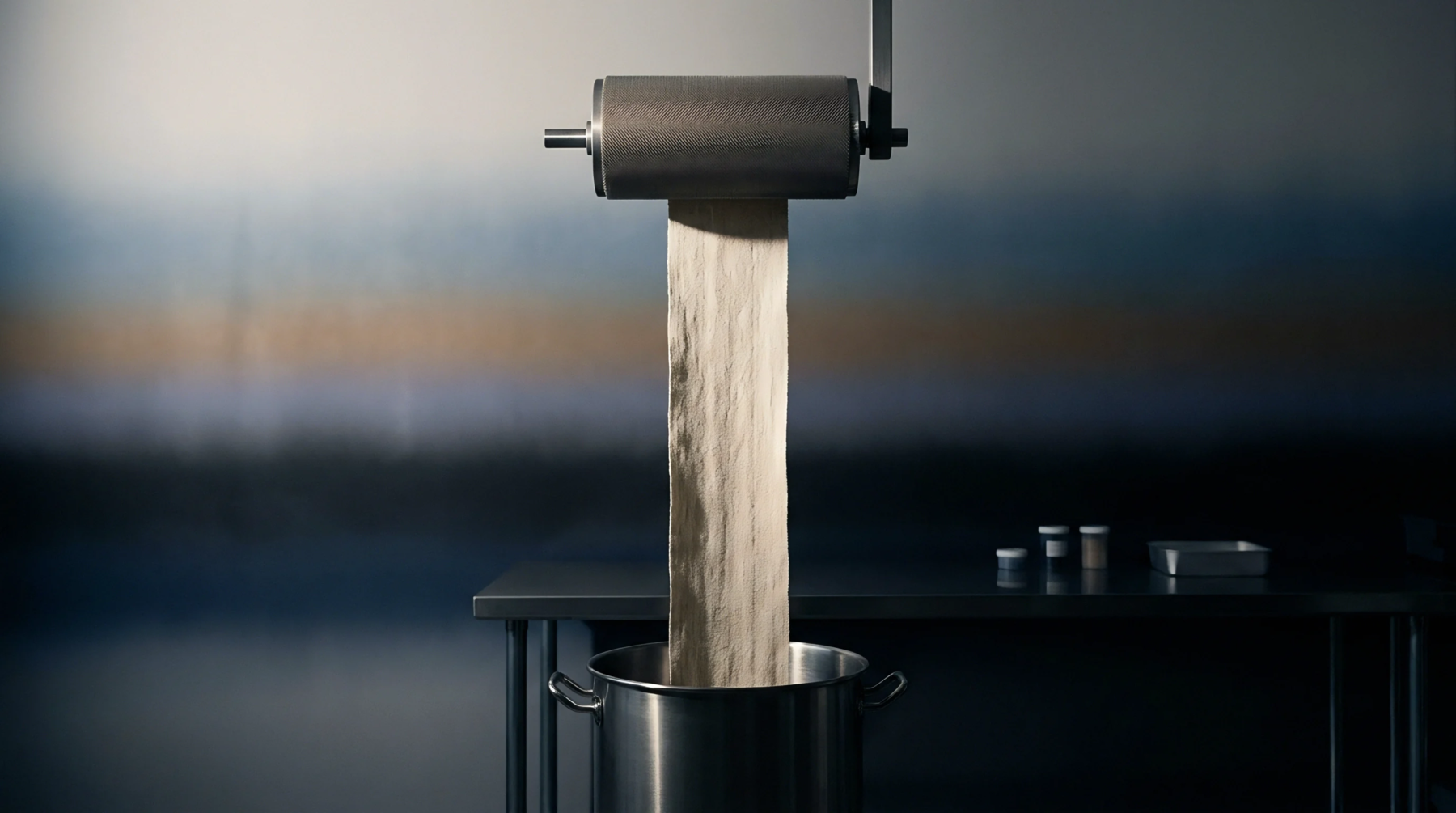
Mechanical treatments use heat and pressure to change the texture and dimensions of the fabric. Processes like calendering pass the fabric between heavy rollers to flatten the yarn and create a smooth, glossy surface. Sanforizing is used to pre-shrink the fabric so that garments do not shrink when washed.
These mechanical actions do not require the use of chemicals to achieve their effects.
Chemical Application
Chemical treatments are applied to add functional properties such as water repellency and flame resistance. The fabric is passed through a liquid bath containing the active finishing agents and then dried in a stenter frame. This heat-setting process bonds the chemicals to the fibers, ensuring that the finish remains durable after multiple washes.
Quality Check
Finished fabrics are inspected for defects and tested for shrinkage and strength before they leave the mill. This final check ensures that the fabric complies with the brand’s specifications. It prevents defective materials from being used in garment production.