Decomposition Process
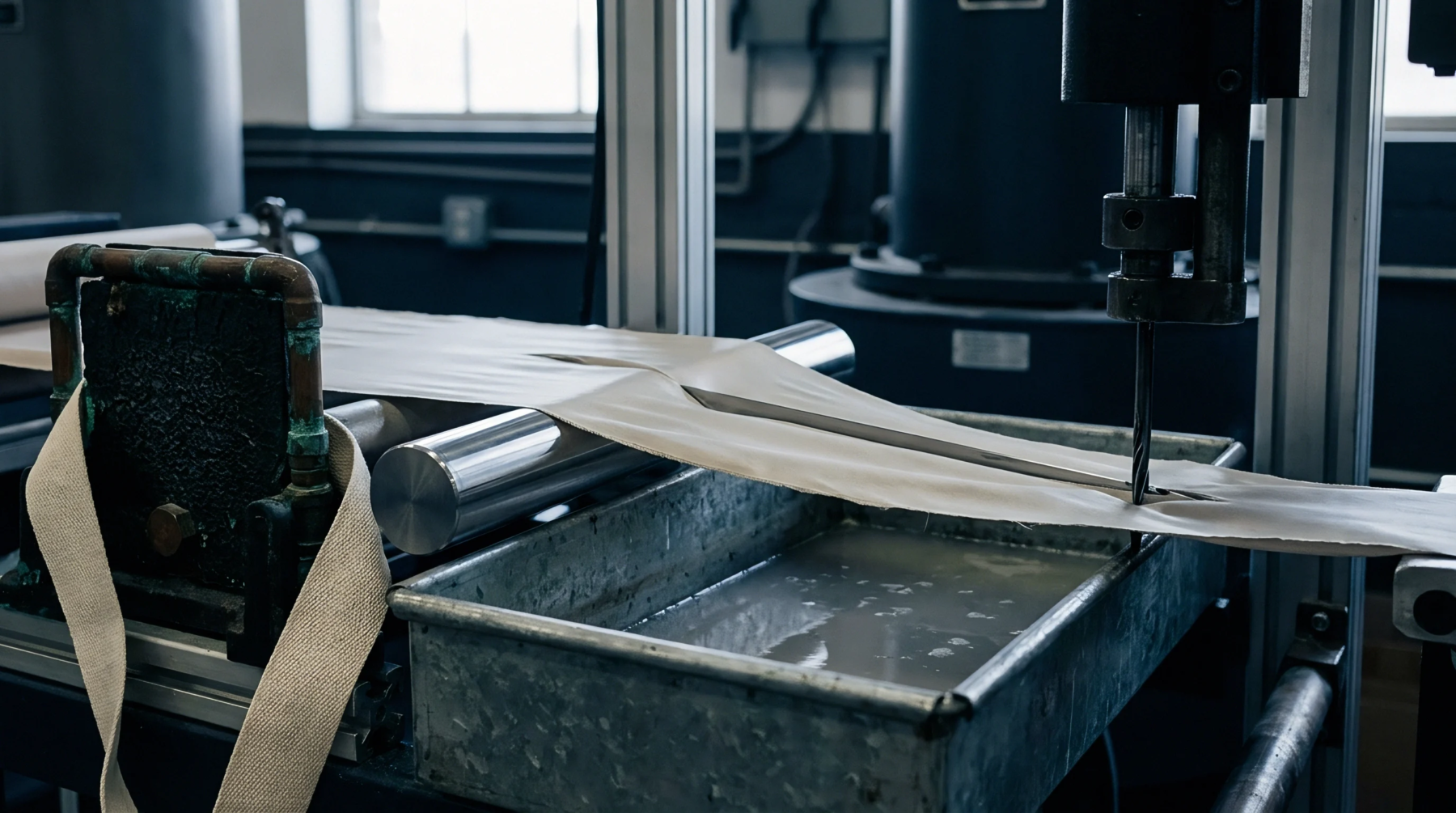
High-temperature water treatment breaks down complex organic polymers without requiring added chemical catalysts. This process, known as thermal hydrolysis, operates at temperatures exceeding one hundred and fifty degrees Celsius and high pressure to disrupt cell structures and polymer networks. This treatment prepares organic wastes and wet sludge for rapid anaerobic digestion.
Sludge Minimization
Wastewater treatment plants in large dye houses generate massive volumes of biological sludge that require expensive disposal. Utilizing thermal hydrolysis before anaerobic digestion increases biogas production and reduces the final solids volume by half. This step simplifies disposal logistics and ensures the remaining cake complies with local agricultural land application limits.
Fiber Recycling
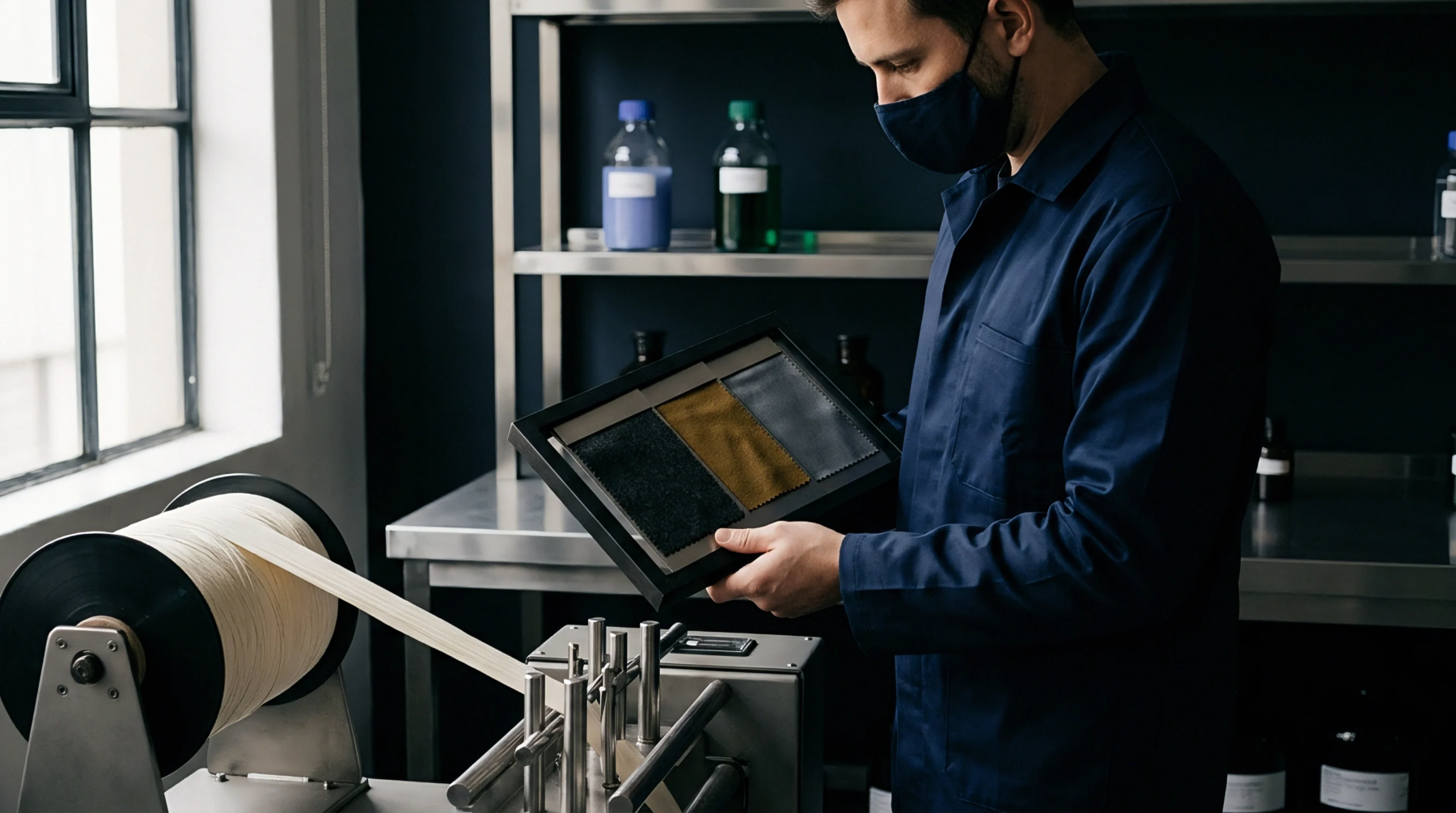
Polyethylene terephthalate and cotton blended fabrics present a major challenge for textile recycling because the different fibers cannot be easily separated mechanically. Implementing thermal hydrolysis allows recyclers to selectively depolymerize the cotton fraction into soluble sugars while leaving the synthetic polyester fibers intact. This chemical separation enables the recovery of clean polyester fibers that can be re-spun into high-quality yarn for new garments.
Energy Balance
Operational expenses for pressure vessels and steam generation represent the primary economic barrier to adopting hydrothermal technologies. Although thermal hydrolysis consumes significant thermal energy to heat the sludge, the subsequent increase in methane gas generation often offsets this requirement. Plants must optimize heat recovery loops, utilizing hot effluent streams to preheat incoming waste to make the overall treatment process self-sustaining.