Structural Measurement
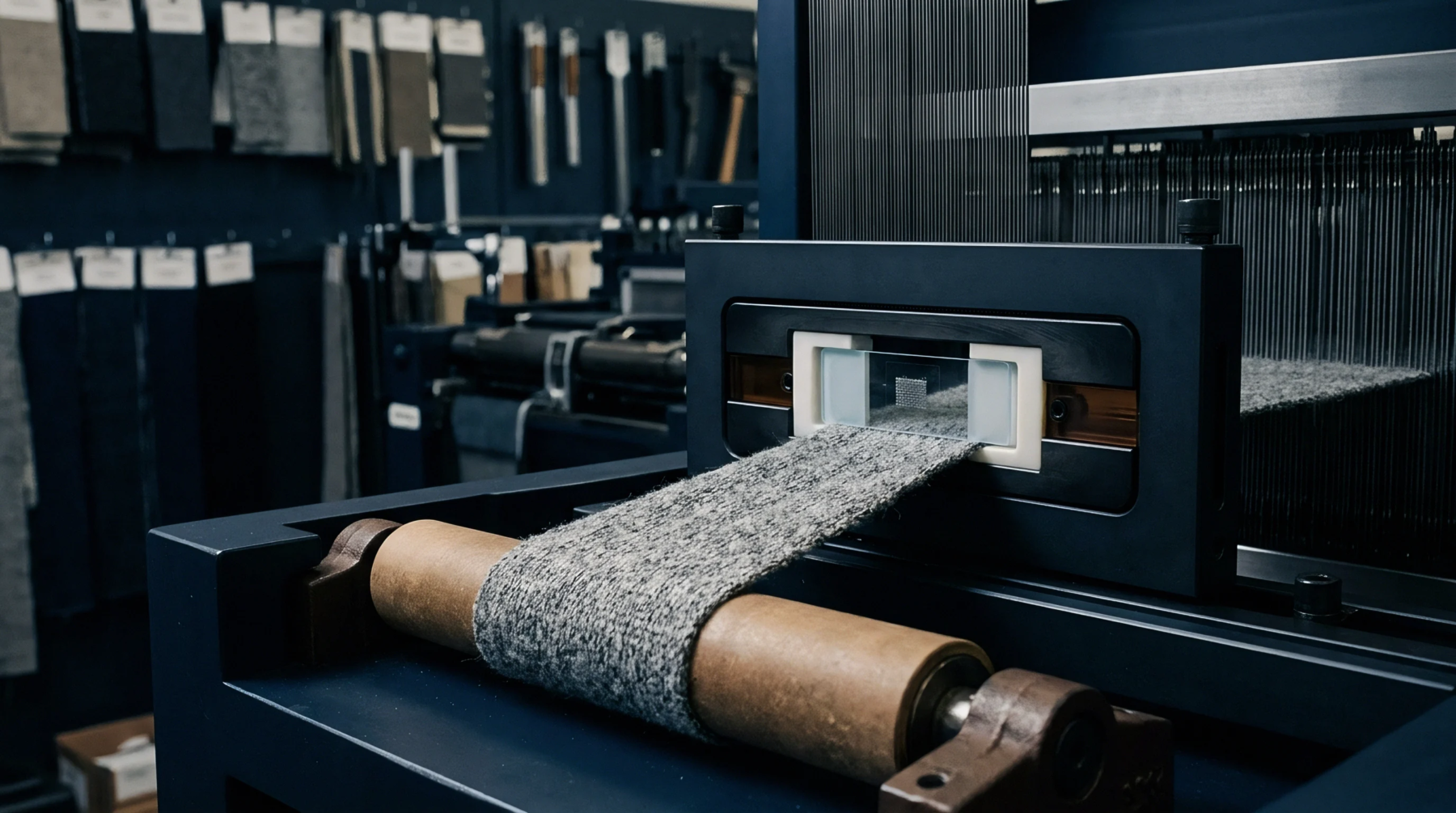
Quality control processes in textile mills measure the number of warp and filling yarns per unit of fabric length to confirm product specifications. The execution of thread density verification ensures that the actual yarn count of the construction matches the textile claims of the supplier. It is performed on a flat, tension-free fabric surface under controlled laboratory lighting.
Thread Counting
Specialized counting glasses, pick counters, or automated digital scanners are used to count the individual yarns across a fixed distance. Through thread density verification, inspectors determine the density of the fabric in both warp and weft directions. This calculation detects whether the fabric structure has been stretched or compacted during the dyeing and finishing stages.
Inspection Routine
The procedure requires multiple measurements at different points across the fabric width, excluding the area within one-tenth of the selvage margin. In thread density verification, the technician averages these readings to obtain a final yarn-per-inch or yarn-per-centimeter value. This measurement is critical for high-end bedding and lightweight lining fabrics where slight yarn density variations affect the drape and air permeability.
These steps are performed according to international standards such as ISO 7211-2.
Contract Verification
Buying offices use the resulting yarn density figures to validate the material costs and approve production runs. Accurate thread density verification prevents the acceptance of cheaper, less dense fabrics that lack the required durability and hand feel. This test acts as a defense against supplier substitutions of lower-quality fabrics.