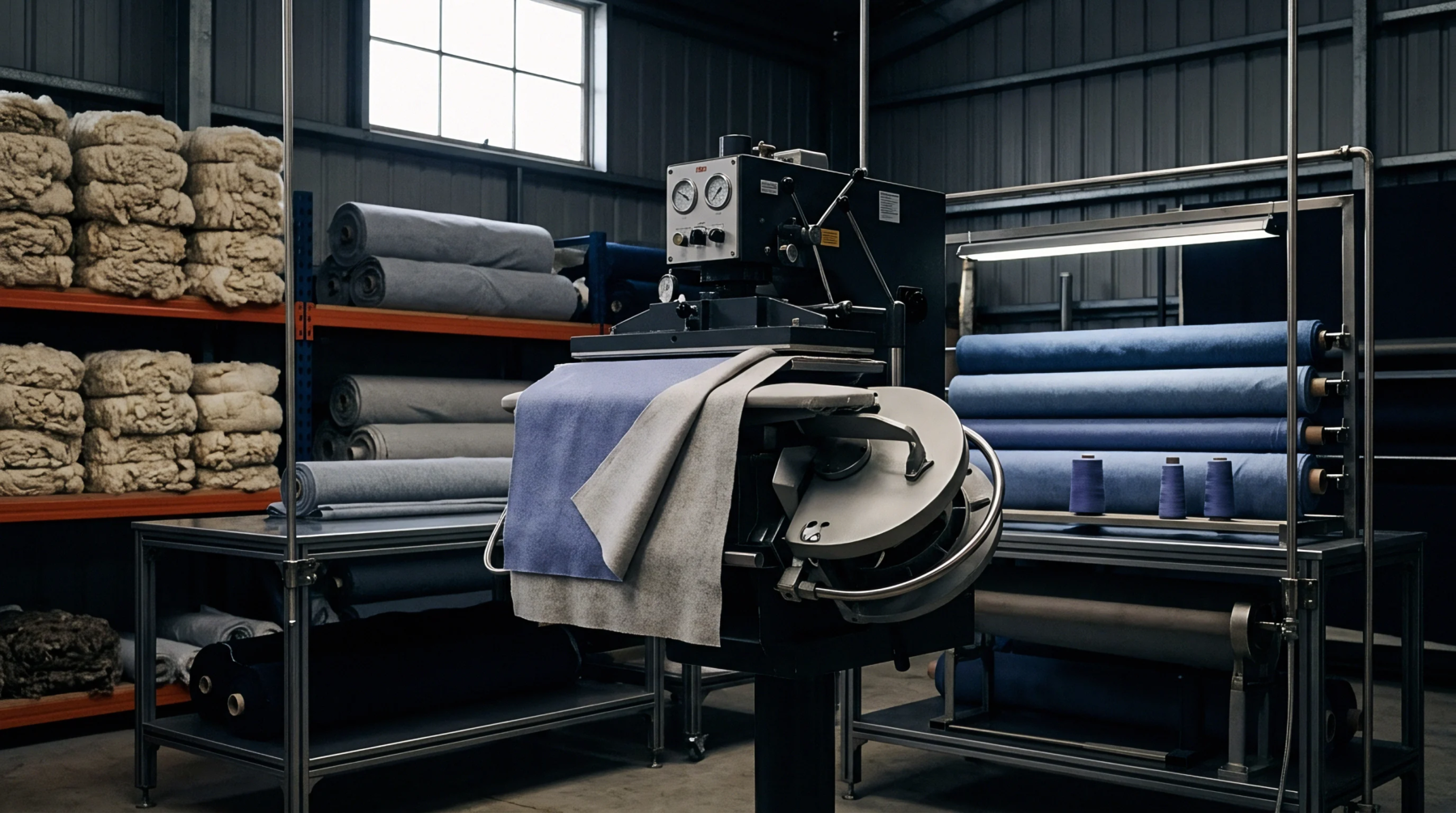
Mechanical Actuation
A motorized load frame applies controlled tension or compression force to a sample until failure occurs. This universal testing machine operates by moving a crosshead at a constant rate of extension to document force against displacement. The apparatus relies on a load cell to record raw data from the specimen during the elongation process.
Fabric mills utilize this equipment to verify that yarns or technical textiles meet specified breaking strength requirements before shipment.
Force Calibration
Load sensors inside the frame require periodic verification against certified weights to maintain accuracy. Technicians perform this task annually to ensure the machine reports reliable results during high-load scenarios. Verification follows international standards that dictate the permissible margin of error for different force ranges.
Discrepancies between the indicated load and the applied weight reveal the need for sensor recalibration or electronic adjustment.
Material Geometry
Tensile grips hold the specimen ends securely to prevent slippage while the test proceeds. Samples for fabric testing generally follow standardized shapes such as rectangles or dog bones to promote uniform stress distribution. Width and thickness measurements provide the basis for calculating stress values from the raw force data.
Proper alignment remains necessary to avoid bending moments that would invalidate the results.
Data Output
Digital controllers capture the peak force and elongation values to produce a stress-strain curve for the material. Analysts study these plots to identify the yield point and total energy absorption of the textile structure. A complete test record contains the load data synced with time to determine the elastic modulus of the fibre or finish.
Such technical profiles govern the quality control protocols for high-performance apparel production.