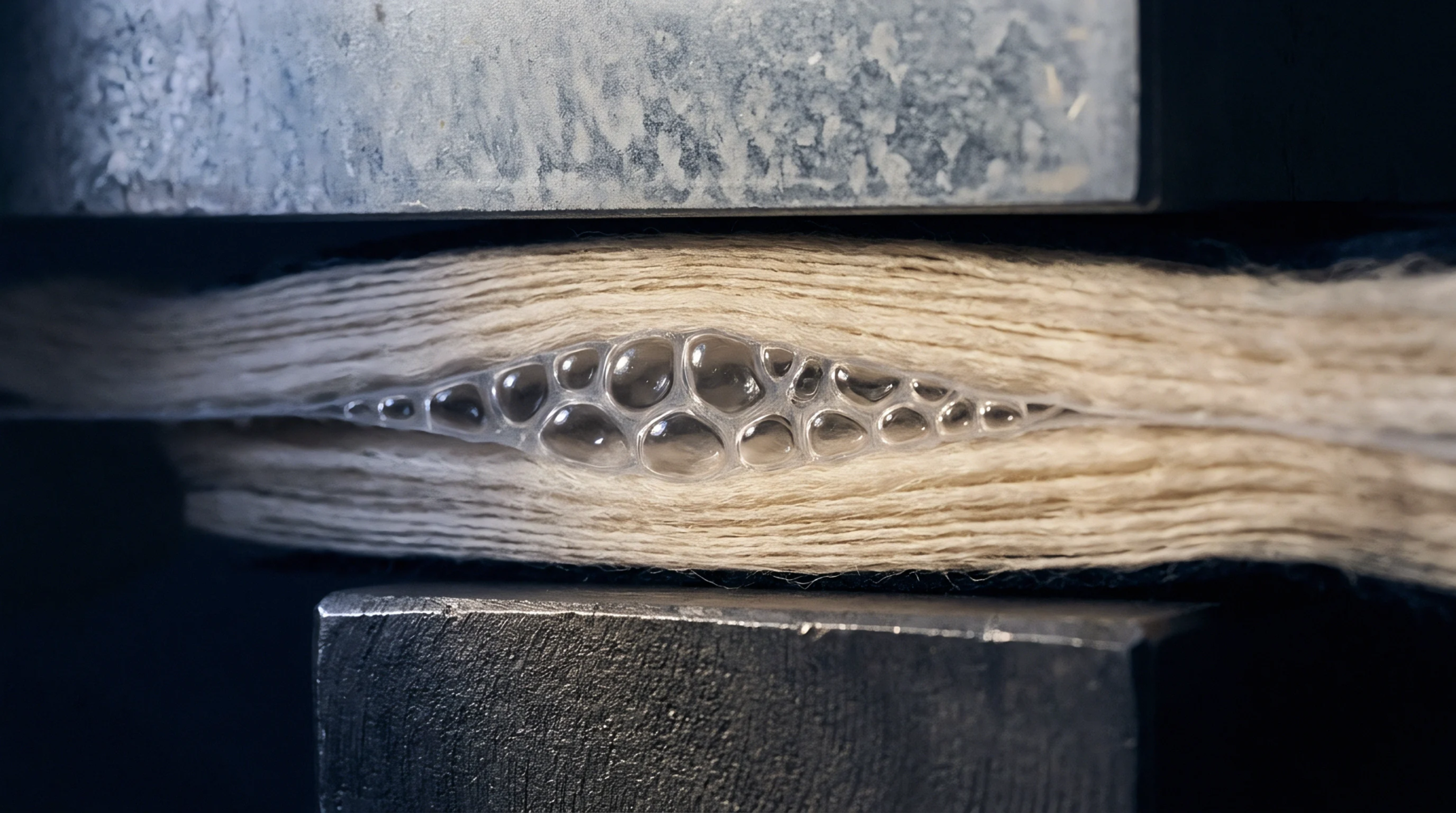
Flexural Resistance
Resistance of a yarn to deformation under a bending force determines the drape and softness of the resulting fabric. A high yarn bending stiffness indicates that the yarn will resist flexing, leading to a firmer, crisper hand in finished garments. This property is dictated by fiber stiffness, yarn count, and twist level.
Fabric Hand
This physical characteristic is a key factor in predicting how a fabric will drape when worn. Low values are desirable for soft, flowing garments like dresses and lightweight shirts, whereas high values are needed for structured items like outerwear and heavy denim. Designers and mills use this metric to select the appropriate yarn for the desired end-use silhouette.
Testing Method
Laboratory measurement of this property involves using specialized testing instruments that apply a controlled bending force to a single yarn strand and measure the resulting deflection angle. The test must be performed under standard atmospheric conditions because humidity can significantly alter the flexibility of natural fibers like cotton and wool. This data is critical for yarn spinners when they formulate new fiber blends.
Processing Influence
Processing behavior during high-speed knitting and weaving depends directly on the flexibility of the yarn. Stiffer yarns are more prone to forming loops and causing yarn breaks on the loom. Yarn bending stiffness remains a primary control point for yarn quality before fabric construction begins.