Spectrophotometric Shade Consistency Management across Split Dyeing Production Batches
Split dyeing batch shade consistency depends on spectrophotometric reflectance curve matching across multiple illuminants and strict stenter thermal control.
Numerical categorization systems for fabric rolls organize production batches into groups based on their deviation from a master color standard along three distinct axes. Within the garment manufacturing industry, 5-5-5 shade sorting provides a method to manage the natural color variations that occur during the dyeing process across multiple batches. The system assigns a three-digit code to each roll, where the middle value of five represents the ideal match to the approved lab dip.
Deviation from this center point is measured in small increments, ensuring that rolls with different codes are not mixed in the same garment assembly. This boundary prevents the visible color breaks that would occur if rolls from different ends of the tolerance range were used for adjacent panels in a shirt or trousers. Sorting logic depends on the specific tolerances set by the brand owner.
The calculation of these coordinates begins with a spectrophotometer reading that converts the physical fabric color into digital values. Software then positions each roll within a three-dimensional grid based on its lightness, its position on the red to green axis, and its position on the yellow to blue axis. A roll marked as 5-5-5 matches the standard within a very narrow tolerance, while a roll marked 4-5-5 would be slightly darker but correct in hue.
The grid typically extends from one to nine in each direction, although most commercial tolerances restrict acceptable rolls to the four, five, and six positions. Fabric mills provide these codes on roll stickers so that the garment factory can organize its inventory. Each digit shift represents a specific unit of color difference that the eye can detect under controlled lighting.
Digital measurements remove the subjectivity of human sight, allowing a mill in one country to communicate color quality to a buyer in another without sending physical cuttings. This data-driven approach allows for precise tracking of dye lot performance over time and identifies when a machine requires maintenance.
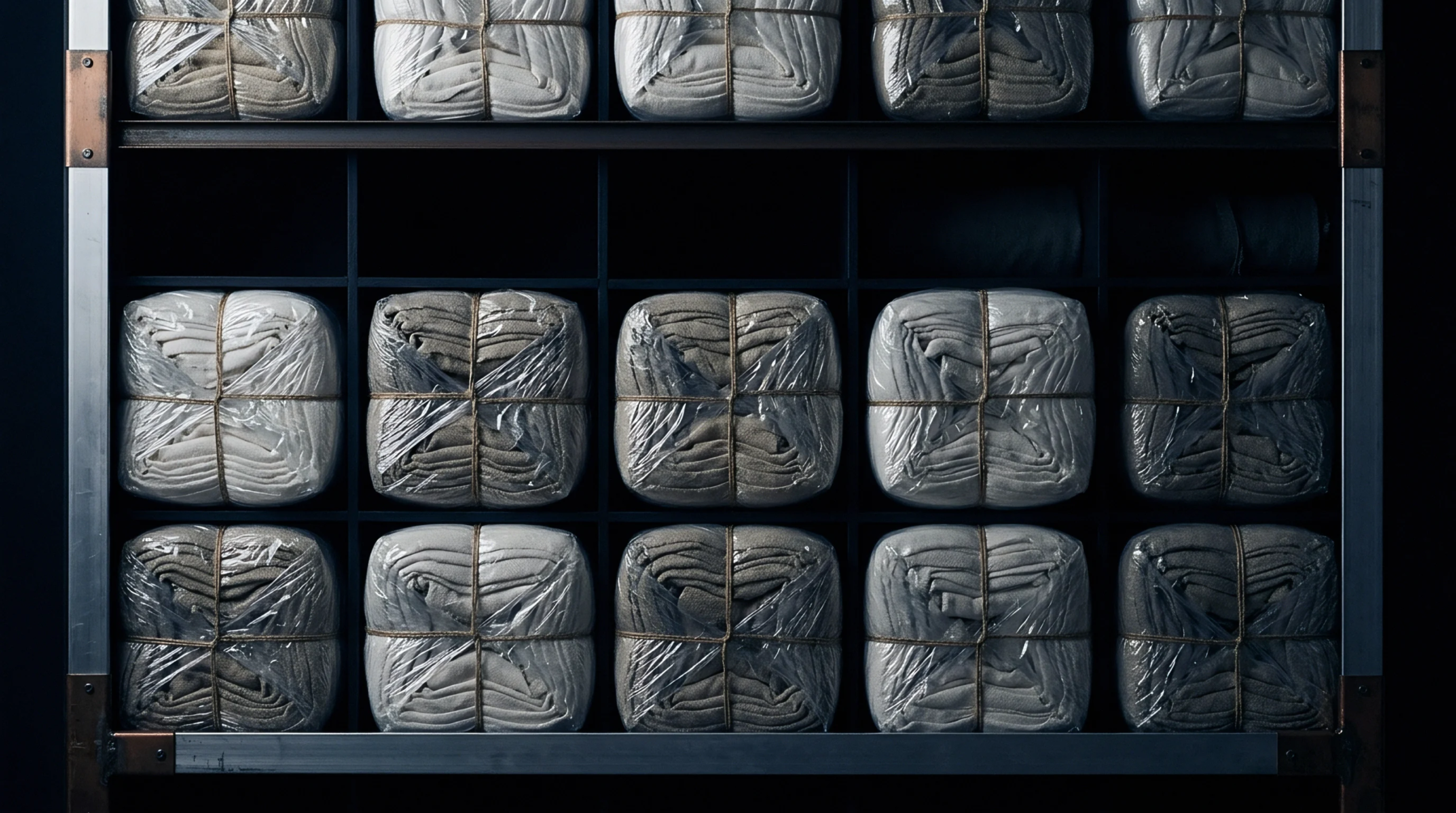
Warehousing staff use these numerical designations to group fabric rolls into compatible blocks before they reach the cutting table. When a factory receives a shipment of one thousand rolls, the 5-5-5 shade sorting data allows them to sequence the material so that the transition between rolls is nearly invisible. Planners often reserve the 5-5-5 rolls for the largest orders or for garments with many large panels, where shade variation is most obvious.
Smaller groups, such as those marked 6-6-5, are set aside for separate production runs. This organization reduces the risk of creating defective goods that retailers would reject during final inspection.
While the numerical system is efficient for large volumes, the method stops being effective when metamerism occurs under different light sources. The 5-5-5 shade sorting approach assumes that the light source in the mill matches the light source in the retail store and the light source used by the quality auditor. If the dye recipe is inconsistent, two rolls with the identical 5-5-5 code might match perfectly under daylight but look different under shop LEDs.
This phenomenon happens when the spectral reflectance curves of the fabrics differ even though their coordinates are the same. Factories must therefore verify the electronic sorting with occasional physical checks under standardized lighting.
Split dyeing batch shade consistency depends on spectrophotometric reflectance curve matching across multiple illuminants and strict stenter thermal control.
Expertise is a utility, not a secret. sentiention™ publishes its working knowledge as open reference: intelligence layer covering the materials it sources, the markets it enters, and the reference that serves both.