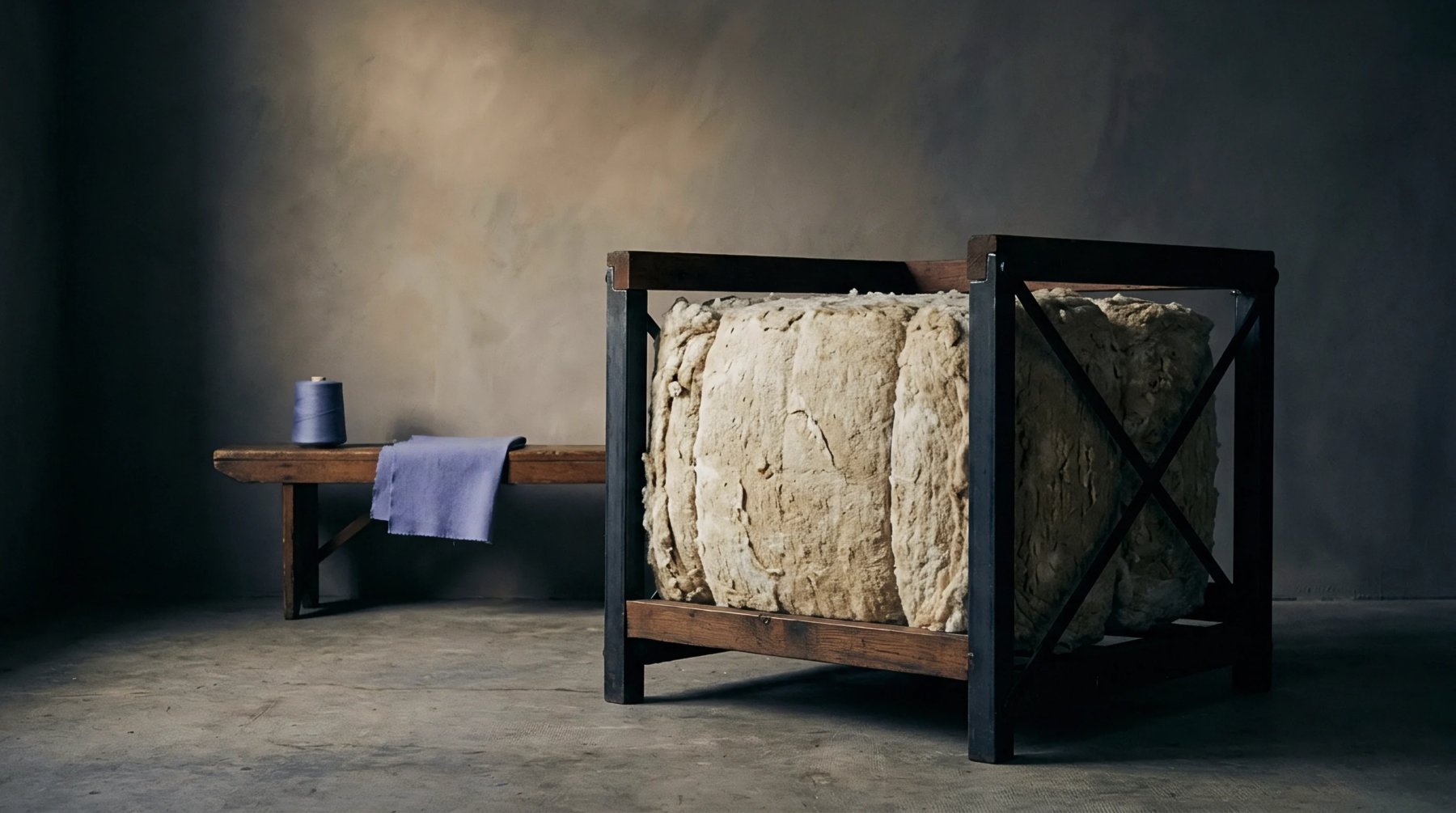
Fibre Alignment
Combing operation during worsted preparation yields a parallel strand assembly known commercially as barbe. The constituent animal hair goes through mechanical straightening plates before drafting frames reduce the slippage risk during subsequent spinning stages. Short fibres drop out as waste while the remaining long hair travels forward with minimal crimp distortion.
Tension must remain constant across the drafting zone because excessive pull breaks weak follicles while slack conditions produce uneven yarn diameters. Quality control teams measure the mean length distribution with digital array sorters inside mill laboratories before approving batches for export delivery.
Drafting Resistance
Slippage forces operating inside the processing machinery dictate how effectively the material resists drawing tensions. Friction between adjacent hairs increases when natural scales interlock under high humidity levels inside the spinning hall. Operators adjust roller pressure settings to match the specific micron count arriving from the combing machines.
Unprocessed lots containing excessive short material create drafting irregularities that manifest as weak spots along the yarn length. Production managers evaluate this mechanical behaviour using high speed load cells attached directly to the drawing frame output rollers.
Combing Yield
Waste percentage figures calculated after combing operations determine the exact raw material cost for the finished product. Heavy contamination levels inside the raw fleece reduce the usable output ratio significantly during preliminary mechanical cleaning runs. Technicians weigh the clean sliver against total incoming bale mass to establish precise processing loss percentages before invoicing commercial clients.
Mill accountants apply these verified yield metrics directly to purchase orders agreed upon with international raw material suppliers.
Specification Limits
Acceptance standards enforced by garment manufacturers require strict adherence to defined length distributions across every delivered lot. Testing laboratories reject any commercial consignment where short fibre content exceeds agreed contractual tolerance thresholds. Inspectors pull random core samples from packed bales and analyze them on optical measurement benches to verify compliance with international textile standards.
Final settlement invoices depend entirely upon these laboratory verification reports issued prior to warehouse dispatch.