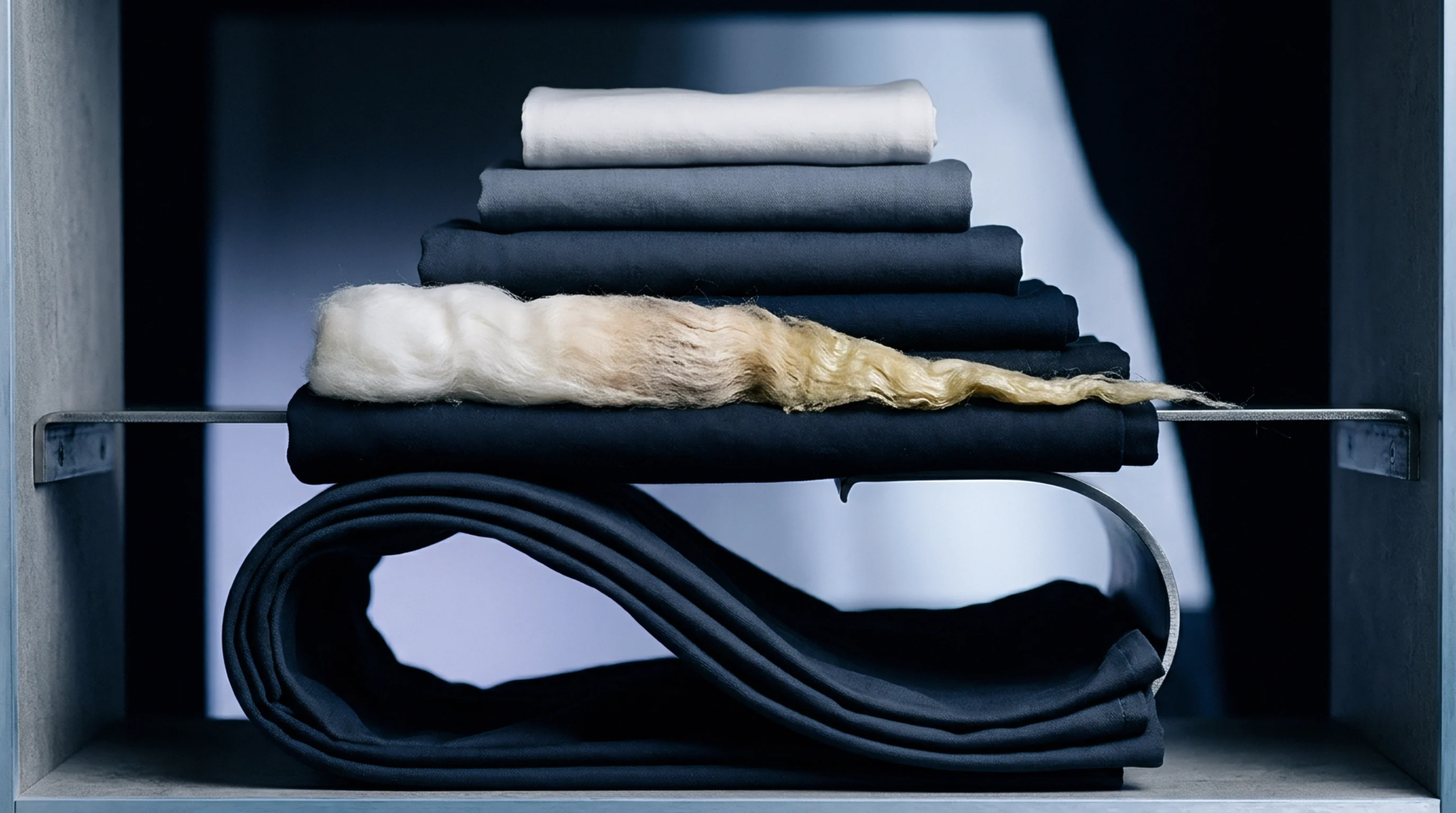
Customs Classification
Documentation requirements established by border agencies define how the primary component of a multi-fibre garment is identified to set the correct import duty. Accurate chief weight calculation determines whether an item falls under categories for cotton, wool or man-made fibres during the clearance process. Errors in this assessment lead to reclassification by authorities and potentially higher costs for the importer.
Procedure Detail
Testing begins by separating every textile component of the finished goods, including linings and trims, for individual weighing in a dry state. Performing a chief weight calculation involves finding the mass of each fibre type to establish which represents the greatest simple majority or plurality of the total fibre mass. This value excludes non-textile parts like buttons, metal zippers or decorative beads.
Commercial Impact
Correct valuation depends entirely on the outcome of the sampling performed before the cargo arrives at the port. Discrepancies between the packing list and the chief weight calculation observed in the lab result in customs delays and fines. Large batches from multiple factories are checked against standard tolerances to ensure consistency across the entire shipping bill.
Boundary Condition
Determination stops at the level of the individual fibre identity within a single blend. While chief weight calculation focuses on mass, specific rules of origin may still override weight-based assessments in regional trade agreements.