Inter-Instrument Profiling and Calibration across Disconnected Dyehouse Facilities
Digital shade clearance across disconnected dyehouses requires matched optical geometries, traceable BCRA ceramic tile calibration, and strict ISO conditioning.
Digital shade clearance across disconnected dyehouses requires matched optical geometries, traceable BCRA ceramic tile calibration, and strict ISO conditioning.
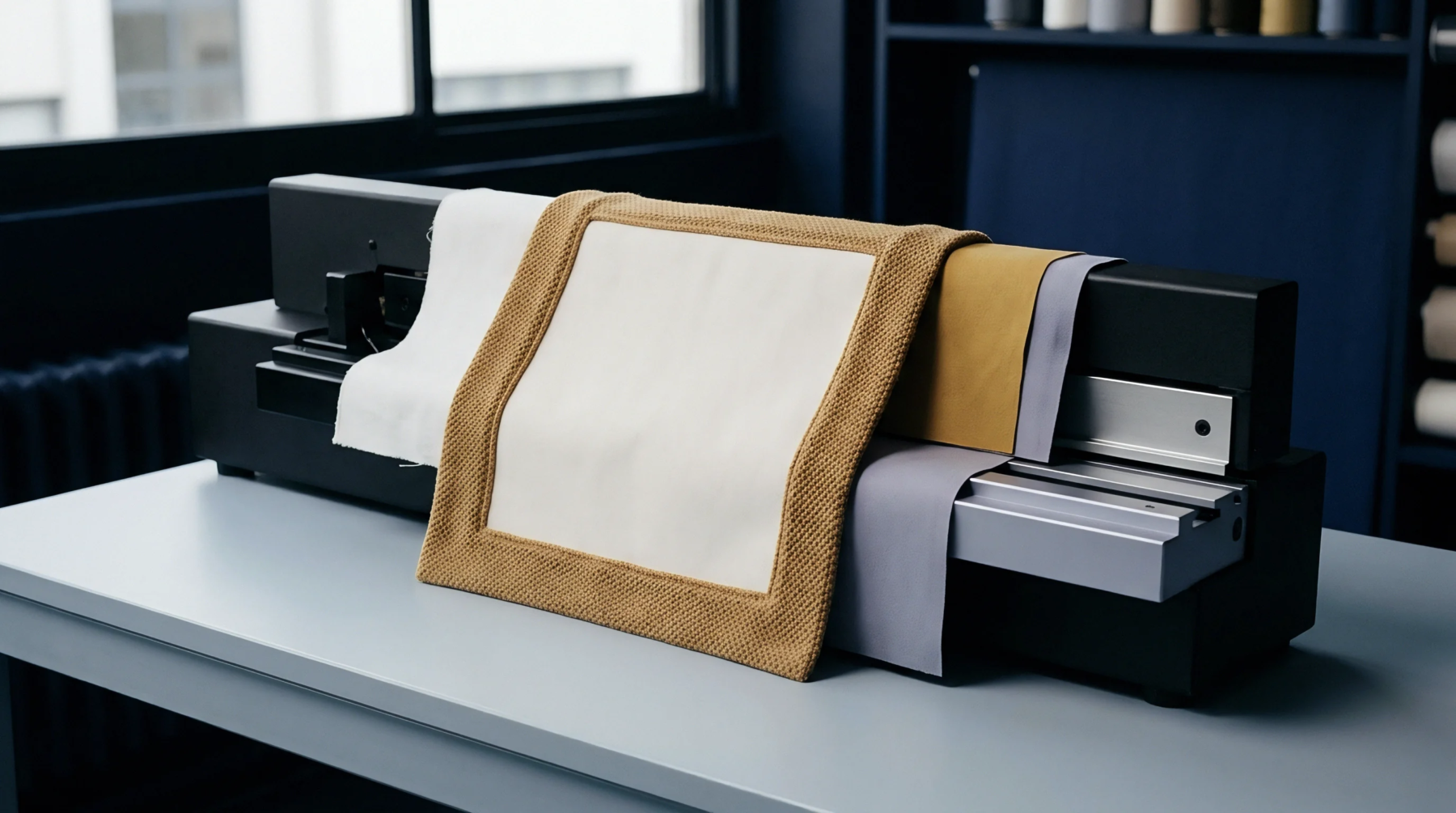
Specify d/8° specular included for dye formulation and d/8° specular excluded or 45°/0° for bulk shade sorting to isolate surface texture from color yield.
Industrial shade approval relies on daily white tile calibration, black trap zeroing, UV adjustments, and aperture matching across color measurement units.
Controlling multi-mill spectral reflectance variance requires standardized d/8° geometry, digital CxF3 master distribution, and strict CIEDE2000 tolerances.
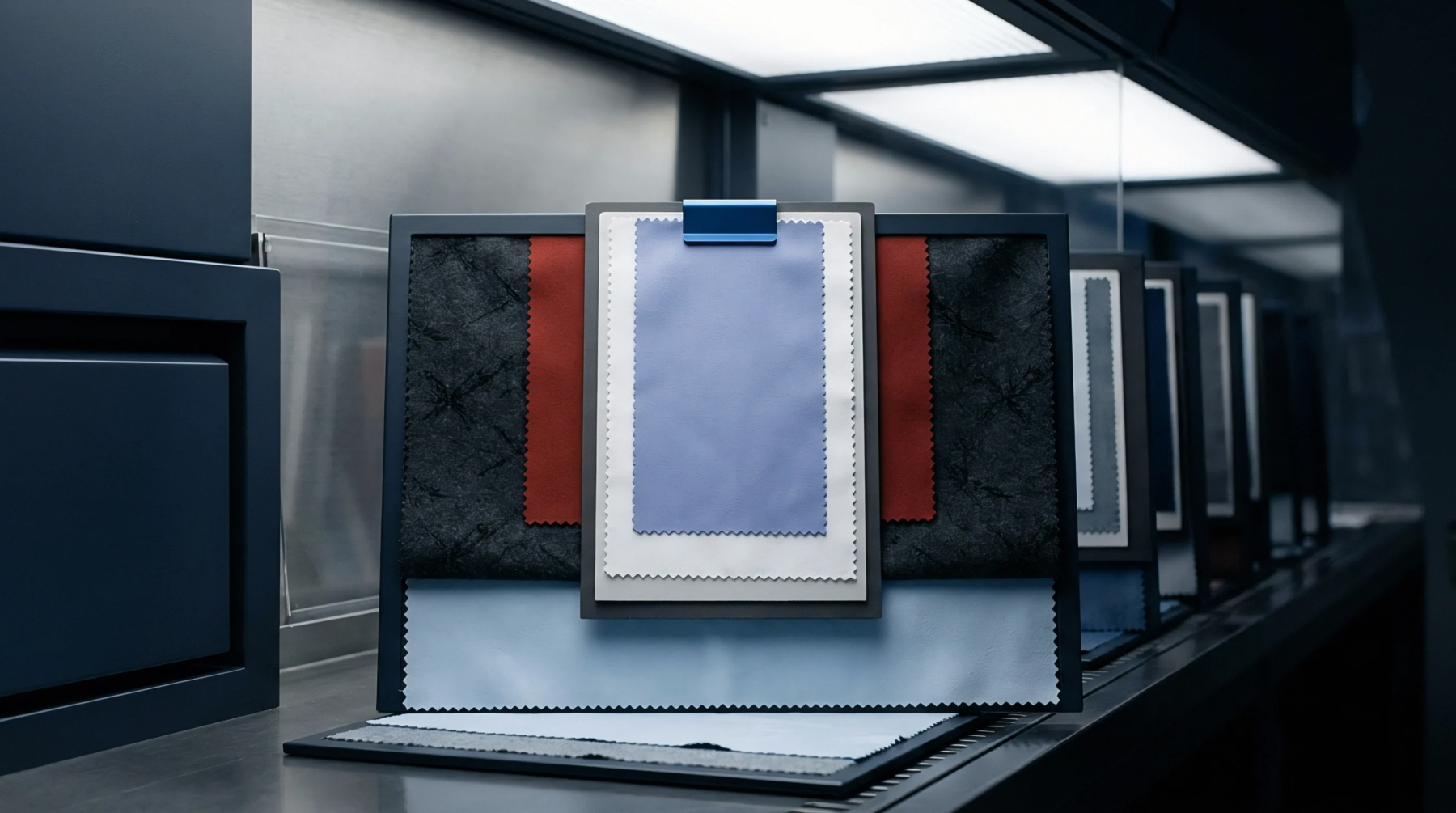
Standardizing instrument geometry, sample conditioning, and CIEDE2000 mathematical parameters establishes repeatable spectrophotometric shade clearance in bulk dyeing.
Expertise is a utility, not a secret. sentiention™ publishes its working knowledge as open reference: intelligence layer covering the materials it sources, the markets it enters, and the reference that serves both.