
Establishing Chemical Compliance Verification Frameworks for Recurrent Fabric Orders
Recurrent fabric compliance demands batch-level analytical testing, scope-matched transaction certificates, and mill auxiliary chemical audit controls.
Recurrent fabric compliance demands batch-level analytical testing, scope-matched transaction certificates, and mill auxiliary chemical audit controls.

Global textile clearance mandates matching chemical laboratory extraction limits to batch-specific transaction certificates before containers arrive at border entry.
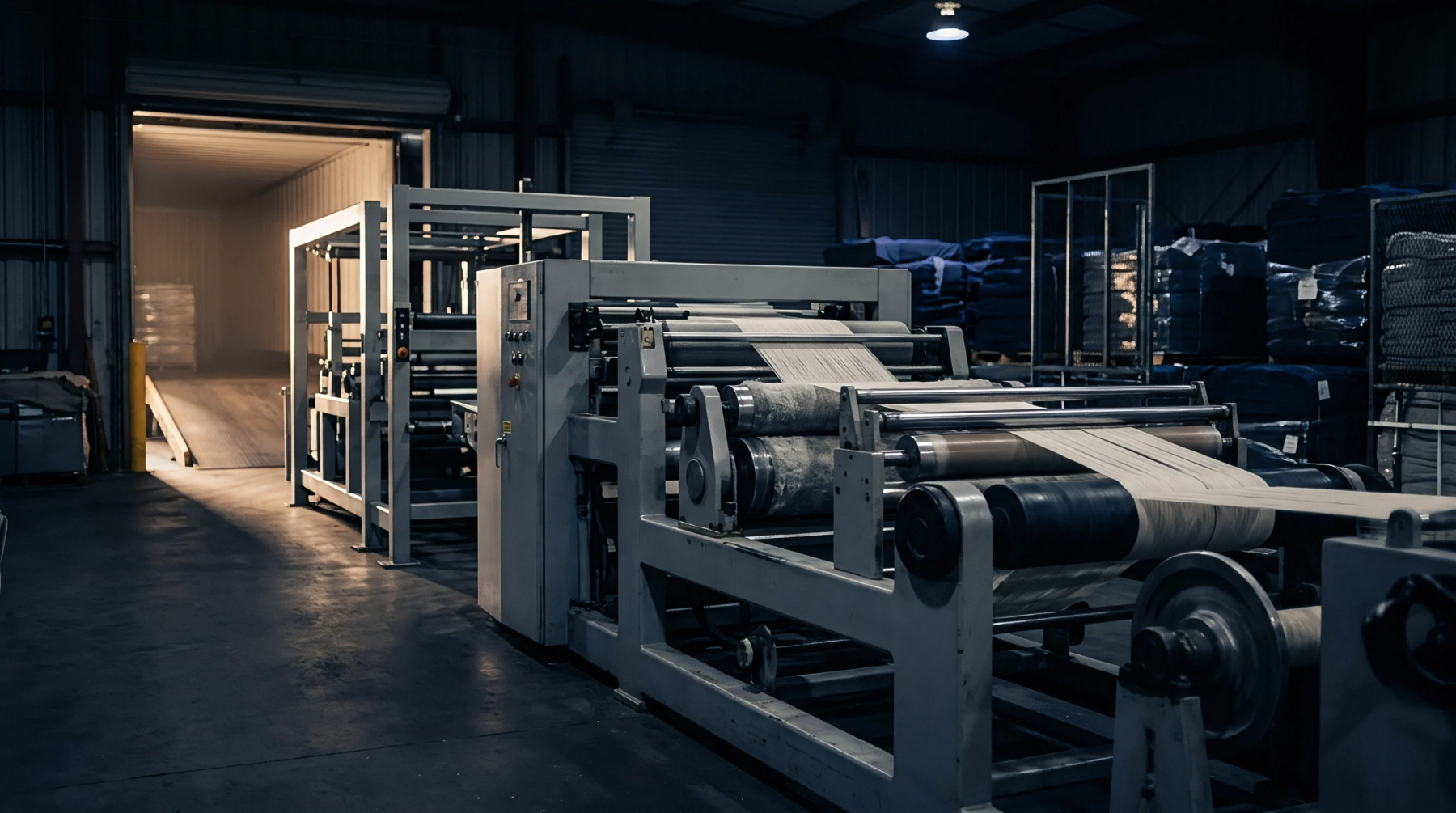
Subcontracted dyehouse failures create direct financial liabilities through unverified chemical additions, requiring strict retest protocols and PO cost allocation.

Structured tripartite deeds and letter of credit chemical release covenants transfer restricted substance liability directly to subcontracted wet processing mills.

Tier two chemical audit schedules must prioritize wet-processing recipe risk and inventory mass balance over factory volume or static annual cycles.

Reconciling ocean freight chemical degradation against destination reporting limits requires Arrhenius kinetic aging models based on container temperature logs.

Ocean transit microclimates hydrolyze textile finishes, requiring desiccant dimensioning and mill-level curing stabilization to clear destination surveillance.

Resolve matrix interference through solvent precipitation, isotope dilution, and single-roll testing when composite readings reach half the clearance limit.

A test report guarantees compliance only when the laboratory accreditation schedule lists the specific test method, analyte family, and exact substrate matrix.

Retest variance allocation requires contractual uncertainty bands and automated cost-shifting mechanisms when secondary testing confirms chemical non-compliance.

Enforceable conversion contracts bind wet processors to restricted substance lists through technical annexes, accredited batch testing, and quarantine holds.
Expertise is a utility, not a secret. sentiention™ publishes its working knowledge as open reference: intelligence layer covering the materials it sources, the markets it enters, and the reference that serves both.