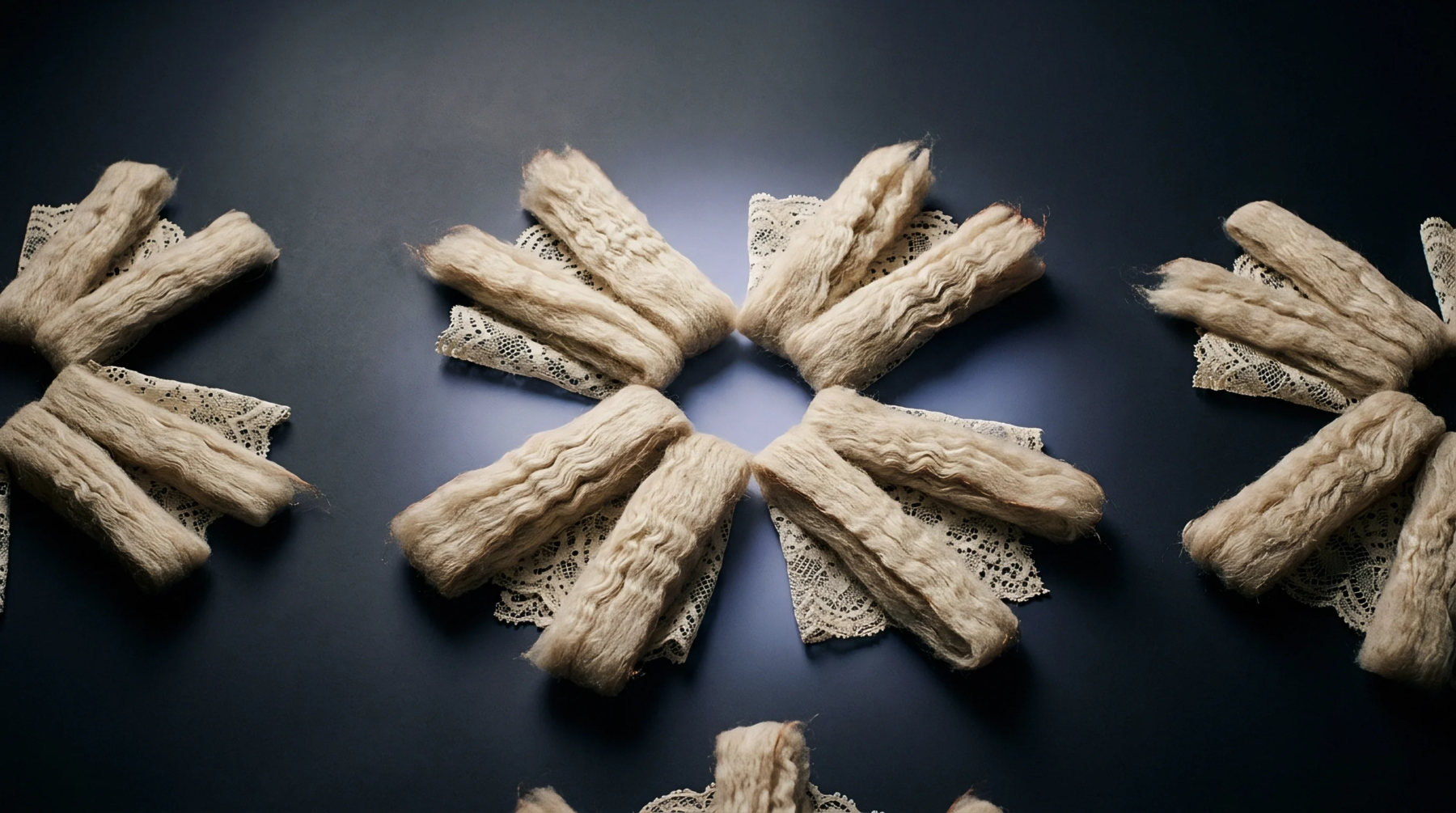
Structural Breakdown
Irreversible loss of molecular weight or physical integrity in textile polymers caused by chemical, thermal, or mechanical stress. Fiber degradation results in reduced tensile strength and increased vulnerability to abrasion during typical wear cycles. It manifests as yellowing, embrittlement, or the formation of surface micro-cracks.
Chemical Mechanism
Hydrolysis breaks the covalent bonds in polyester or polyamide chains when fabrics are exposed to excessive moisture and heat. Strong oxidizing agents in bleach baths accelerate fiber degradation if the pH or temperature remains outside set parameters. Cellulose fibers suffer chain scission in acidic conditions, leading to thinning of the yarn core.
Thermal Influence
Prolonged exposure to high curing temperatures in the oven alters the crystallinity of synthetic filaments. Such fiber degradation makes the material stiff and prone to cracking under repetitive bending loads. Lab tests quantify this change by comparing the original yarn tenacity against the value found in aged samples.
Protective Measure
Anti-oxidants and ultraviolet stabilizers are added during the extrusion phase to buffer against environmental stressors. Correct rinsing after chemical processing prevents latent fiber degradation during long periods of finished stock storage. Proper ventilation during heat setting mitigates the harmful effects of cumulative thermal loading.