Regulatory Method
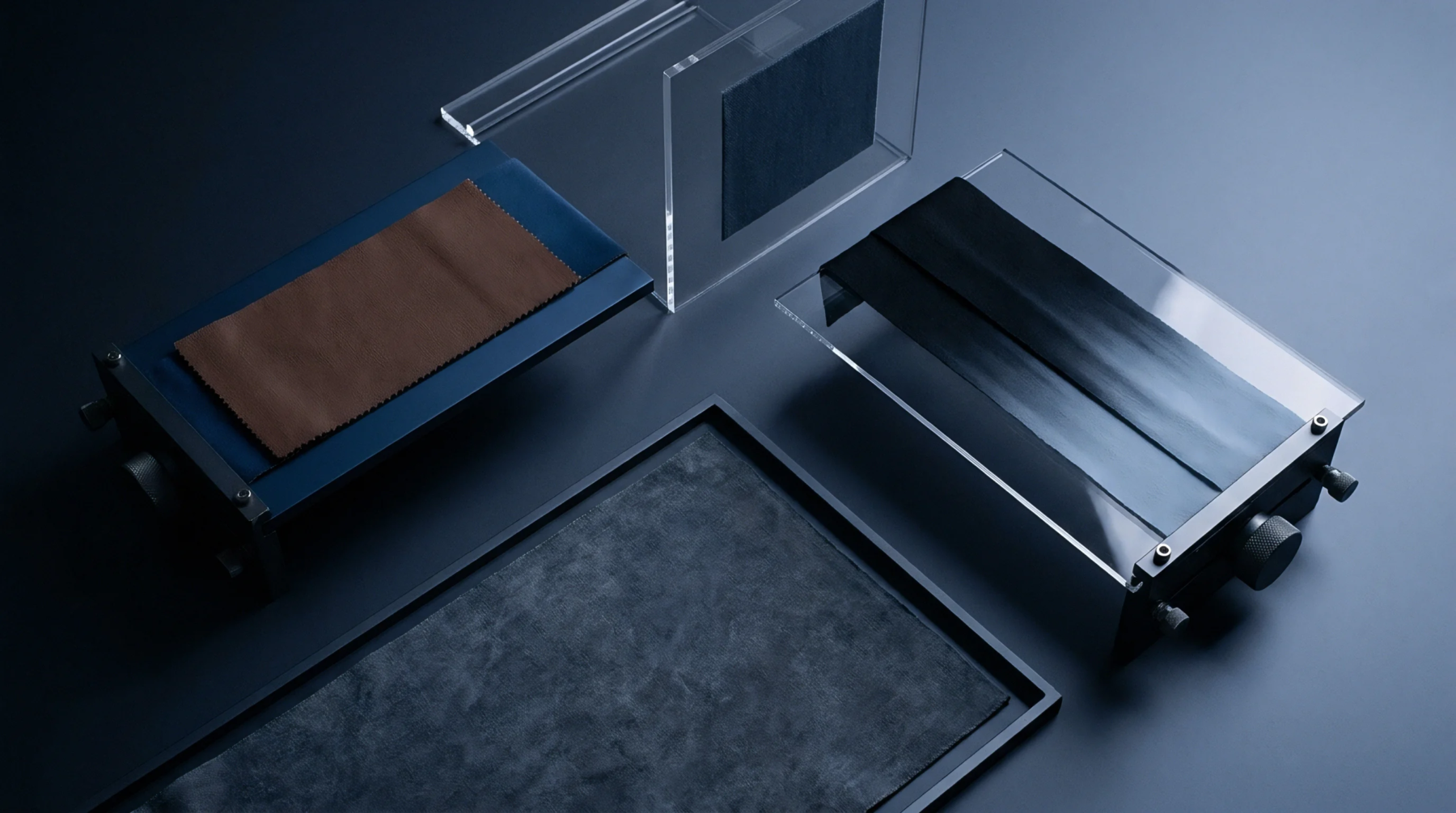
Testing of woven fabrics for the resistance to yarn slippage at a sewn seam follows a specific Chinese national protocol involving the use of a fixed load. Laboratories apply gb/t 13772.2 to determine how much the warp and weft yarns move when a seam is subjected to a prescribed force. This standard is particularly relevant for fabrics with low yarn counts where the structure is inherently more prone to distortion under tension.
Technicians report the width of the gap in millimetres to confirm compliance with national safety and quality requirements.
Laboratory Sequence
Specimen preparation involves cutting a piece of fabric and sewing a standard seam with a specific needle and thread. The machine pulls the fabric apart and the resulting gap is measured after the load is removed.
Mechanical Stress
Force levels vary depending on the end use of the material, such as upholstery or apparel. This protocol focuses on the displacement of the yarns rather than the strength of the thread itself.
Quality Standard
Fabric that shows excessive slippage fails to meet the criteria for durable garments. Results from this test guide manufacturers in selecting the appropriate weave density to prevent seam failure in consumer products.